
Garantex Sanctions: How Russian Crypto Traders Adapt in 2026
Explore how Garantex sanctions reshaped Russian crypto trading. Learn about the shift to decentralized networks like Exved, rising fees, and the new user journey in 2026.
When navigating cryptocurrency regulation, you’re dealing with cryptocurrency regulation, the set of laws, taxes and compliance requirements that govern digital assets worldwide. Also known as crypto compliance, it shapes how miners, exchanges and investors operate.
The European Union’s MiCA, Markets in Crypto‑Assets regulation that defines licensing, consumer protection and market‑integrity rules for EU crypto firms. Also called EU crypto law, it forces companies to obtain a CASP licence before they can passport services across member states. Because MiCA sets clear deadlines, firms must upgrade KYC systems and report token offerings under strict disclosure standards.
Across the Atlantic, FinCEN, the U.S. Financial Crimes Enforcement Network that enforces anti‑money‑laundering rules on digital‑currency businesses drives the so‑called travel rule. The travel rule requires crypto platforms to share sender and receiver information on transactions above $3,000, linking blockchain activity to traditional finance compliance. Ignoring this rule can trigger hefty fines and freeze assets.
In the sanctions arena, OFAC, the U.S. Office of Foreign Assets Control that administers economic and trade sanctions has zeroed in on Iranian crypto actors. By flagging wallet addresses linked to sanctioned entities, OFAC forces exchanges to block Iranian users and monitor suspicious flows. Platforms that fail to screen against OFAC lists risk being cut off from the U.S. banking system.
Regulators worldwide share a common goal: prevent illicit finance while fostering innovation. Whether it’s MiCA’s passporting framework, FinCEN’s travel‑rule reporting, or OFAC’s sanctions enforcement, each rule adds a layer of transparency that protects users and institutions. For miners in India, banks in Mexico, or traders in any jurisdiction, understanding these standards means lower legal risk, smoother access to liquidity and a clearer path to growth.
Below you’ll find a curated set of guides that break down each of these regimes, show how they intersect, and give you actionable steps to stay ahead of the compliance curve. Dive in to see how the rules affect mining taxes, exchange access, cross‑border monitoring and more.

Explore how Garantex sanctions reshaped Russian crypto trading. Learn about the shift to decentralized networks like Exved, rising fees, and the new user journey in 2026.

The EU is set to ban privacy coins like Monero and Zcash on regulated platforms starting July 2027. Learn what this means for holders, traders, and the future of crypto privacy.
Explore Japan's strict FSA crypto oversight, covering the shift from PSA to FIEA, cold storage mandates, and what the 2026 regulatory changes mean for investors and exchanges.

Navigating Cyprus banking restrictions on crypto transactions requires understanding the dual role of CySEC and the CBC. Learn about the €1,000 Travel Rule threshold, de-risking challenges, and compliance tips for 2026.

Russia is using legalized crypto mining and the A7A5 stablecoin to build a shadow financial network. Here's how they're bypassing Western sanctions and what it means for global finance.

Explore how Iranian citizens can access decentralized exchanges (DEXs) amidst strict regulations and sanctions. Learn about shifting from USDT to DAI on Polygon, avoiding centralized risks like Nobitex, and navigating the 2026 regulatory landscape.

Explore how the IRGC dominates unlicensed crypto mining in Iran to bypass sanctions, exploiting subsidized energy while civilians face blackouts.
Discover how Chinese banks enforce the crypto ban, including account freezes, detection algorithms, and penalties for withdrawing crypto to fiat in 2026.
Explore how Iran uses Bitcoin to bypass sanctions for imports. Learn about the Central Bank's dual-track regulation, IRGC mining farms, and the energy crisis driving this crypto trade strategy.
Explore the complete timeline of Nigeria's crypto banking ban reversal from 2021 to 2025. From the CBN's strict prohibition to the ISA 2025 legal framework, understand how policy shifted due to economic pressure and global standards.

Discover the latest penalties for crypto trading in Morocco in 2026. Learn about fines from MAD 20k to 500k, the shift from total ban to regulation, and new tax rules from Bank Al-Maghrib.
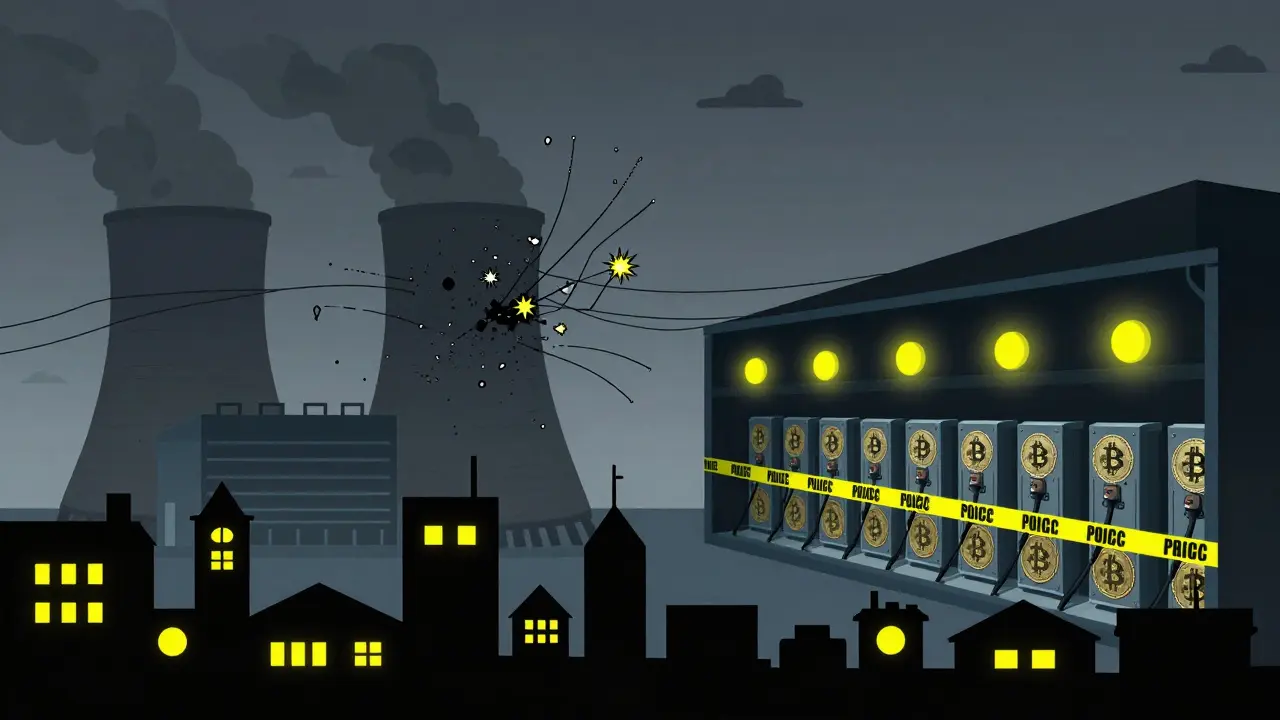
Explore how Kosovo's 2022 crypto mining ban evolved into 2026 regulations. Learn why the energy crisis triggered a total prohibition and how miners can now operate using alternative energy sources.