


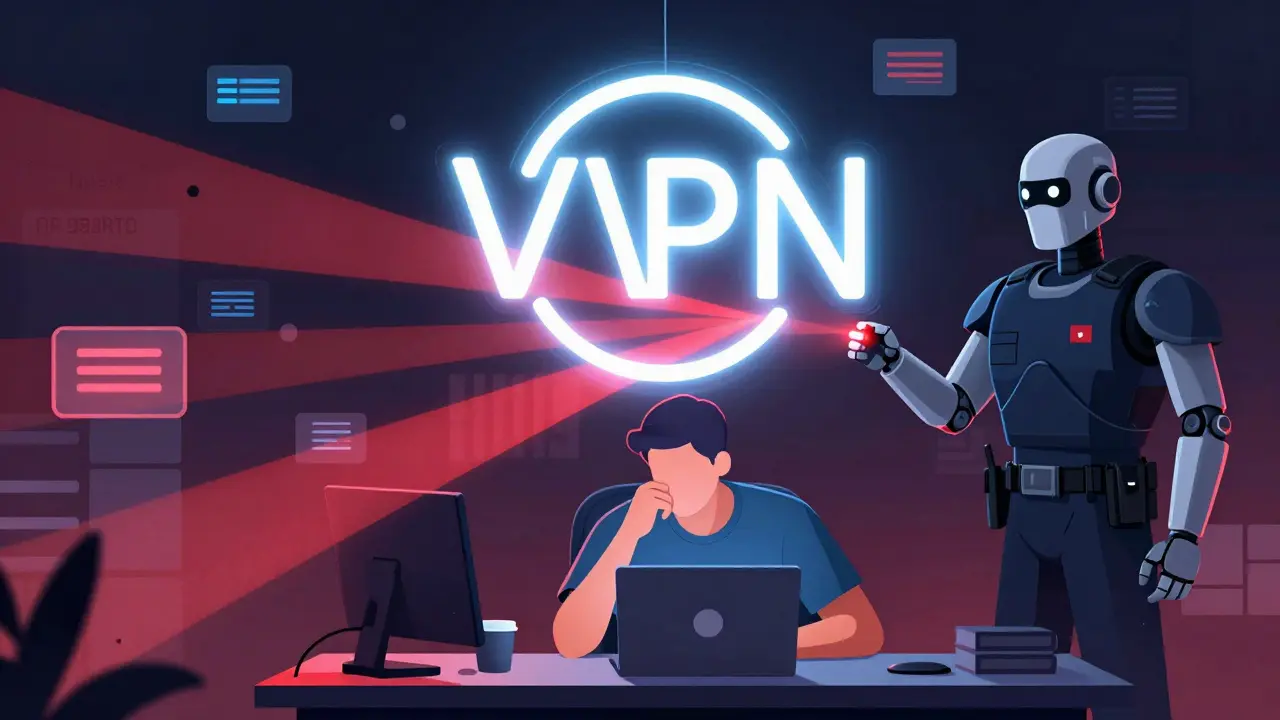
You've probably heard the rumor: if you use a VPN to access a crypto exchange, there's a 70-80% chance you'll get caught. While that specific number sounds scary and precise, the reality of VPN detection rate is far more nuanced. It isn't a flat percentage; it's a sliding scale based on how much money the exchange has to spend on security and how cheap your VPN subscription is.
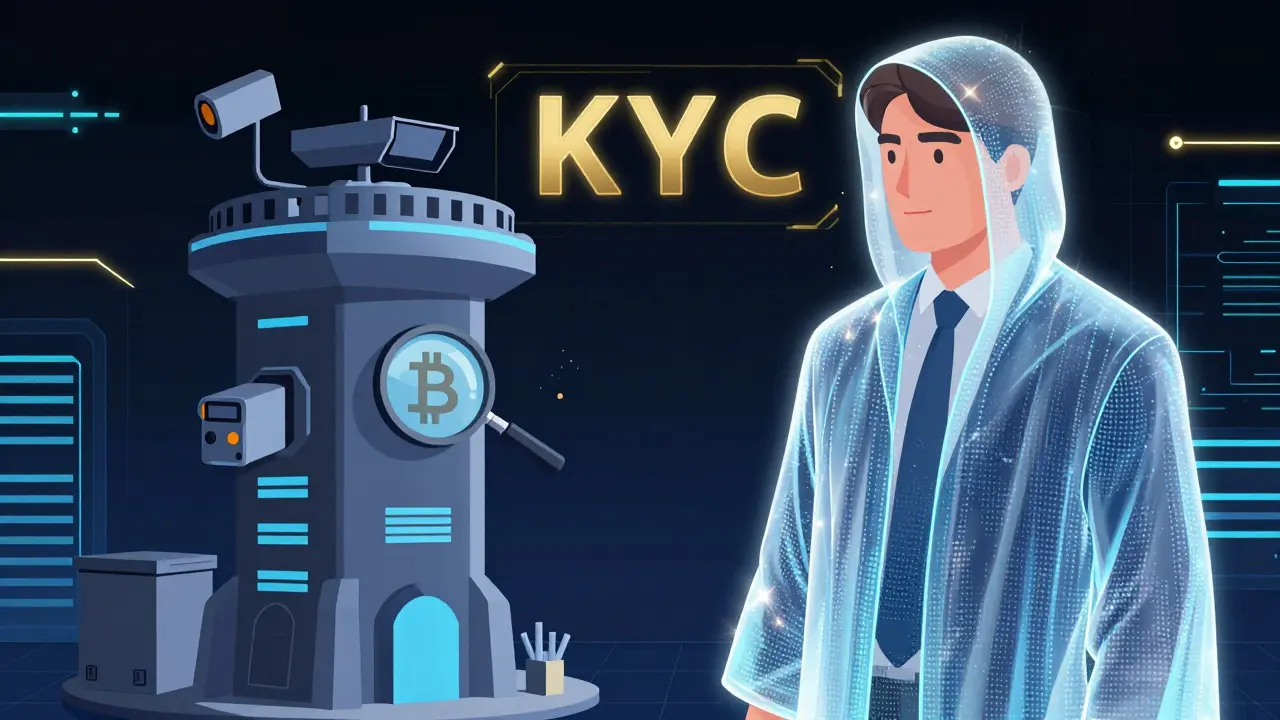
If you're trying to bypass regional restrictions or just want to keep your trading habits private, you're essentially entering a digital arms race. On one side, you have exchanges desperate to follow KYC (Know Your Customer) laws to avoid massive fines. On the other, you have privacy tools trying to stay one step ahead. The result? Your account might be fine today and locked tomorrow because an exchange updated its IP blacklist.
Why Exchanges Spend Millions to Spot You
Why do platforms like Binance or Coinbase care if you're using a VPN? It comes down to the law. Regulators in the US and EU demand that exchanges know exactly where their users are located to prevent money laundering and sanctions evasion. If an exchange allows a user from a banned jurisdiction to trade via a VPN, they risk losing their operating license.
To stop this, they don't just look for a "VPN switch." They use a combination of data points to build a profile of your connection. If you suddenly teleport from New York to Tokyo in ten minutes, the system flags a "geolocation inconsistency." This behavioral trigger is often what actually gets accounts frozen, rather than the VPN itself.
How the Detection Actually Works
Most people think a VPN is a magic cloak, but for a sophisticated exchange, it's often more like a neon sign. There are three main ways they spot you:
- IP Reputation Databases: This is the most common method. Exchanges subscribe to lists of known IP addresses owned by data centers. Since VPNs operate out of servers in data centers, their IPs are easily flagged. Free VPNs are the worst offenders here; their IPs are recycled and flagged almost instantly.
- WebRTC and DNS Leaks: Your browser often "leaks" your real IP address through protocols like WebRTC, even when the VPN is on. If the exchange sees a request from a VPN IP but a WebRTC leak from your actual home city, you're busted.
- Machine Learning Patterns: The biggest players use AI to analyze traffic flow. They look for specific packet timings and metadata patterns that are characteristic of encrypted tunnels. They aren't looking for your IP; they're looking at *how* the data is moving.
| VPN Type | Detection Risk | Main Vulnerability | Typical Outcome |
|---|---|---|---|
| Free/Budget VPNs | Very High | Shared Data Center IPs | Immediate account flag/block |
| Premium (Standard) | Medium | Known Server Ranges | Occasional KYC requests |
| Dedicated/Residential IP | Low | Behavioral Analysis | Generally undetected |
The Premium Solution: Dedicated and Residential IPs
If you're serious about avoiding detection, you have to stop using shared servers. When you use a standard server, you're sharing one IP address with hundreds of other people. If one of those people does something malicious, that IP gets blacklisted, and everyone using it-including you-gets flagged.
This is why tools like NordVPN are often recommended for traders. They offer dedicated IPs, meaning you are the only person using that specific address. Even better are residential proxies, which provide IPs assigned by actual Internet Service Providers (ISPs) to homes. To an exchange, a residential IP looks like a regular person sitting in their living room, not a server in a warehouse.
Another layer of protection is choosing a provider with a strict no-logs policy in a privacy-friendly jurisdiction. For instance, ExpressVPN operates out of the British Virgin Islands, where they aren't legally forced to hand over user data. While this doesn't stop an exchange from detecting the VPN, it protects your identity if the VPN provider is targeted.
The Hidden Risks of "Stealth" Trading
Avoiding detection isn't just about the technology; it's about your behavior. Many traders make the mistake of "server hopping." If you log in from London, then switch to Singapore, then to New York within a few hours, you are triggering every security alarm in the exchange's system. This is a classic red flag for account hijacking.
Furthermore, you should be aware that some exchanges implement tiered restrictions. You might not be completely blocked, but you might find your withdrawal limits suddenly slashed or your account put into "read-only" mode until you provide fresh identity verification. These are the "soft blocks" that often go unreported in the 70-80% statistics but affect thousands of users daily.
Security Beyond the Mask
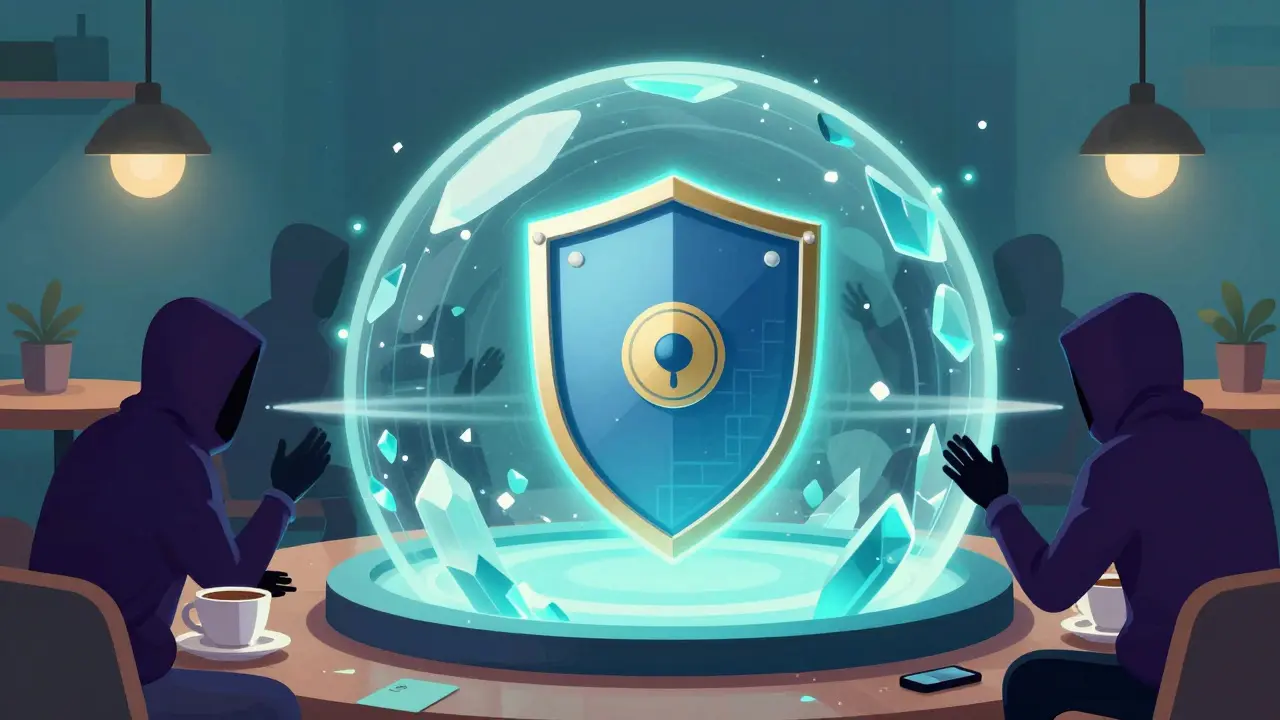
It's a mistake to view VPNs only as a way to trick exchanges. In the volatile world of crypto, a VPN is a critical defense layer. When you trade on public Wi-Fi, you're leaving the door open for man-in-the-middle attacks. A VPN encrypts your connection, protecting your exchange credentials and API keys from being sniffed by hackers on the same network.
Combine a VPN with a hardware wallet and a password manager, and you've built a solid fortress. The occasional annoyance of a VPN-related KYC check is a small price to pay compared to having your entire seed phrase stolen because you logged into an exchange at a coffee shop without encryption.
Can I get my account banned for using a VPN?
Yes, it is possible. Most exchanges state in their Terms of Service that you must provide accurate location data. If they detect you are bypassing regional restrictions to access services not available in your country, they may freeze your funds or permanently close your account.
Are free VPNs safe for crypto trading?
Generally, no. Free VPNs often sell your data to third parties and use heavily blacklisted IP addresses. Not only are they more likely to be detected by exchanges, but they also pose a significant security risk to your private keys and login info.
What is a residential IP and why is it better?
A residential IP is an address assigned to a physical home by an ISP. Exchanges trust these more than data center IPs because they don't look like a VPN or a proxy. This drastically lowers the detection rate compared to standard VPN servers.
How can I tell if my VPN is leaking my location?
You can use online leak test tools to check for DNS and WebRTC leaks. If the test shows your actual ISP or city while the VPN is active, the exchange can also see that information and will likely flag your account.
Does using a VPN protect me from hacking?
It protects you from network-level attacks, such as people intercepting your data on public Wi-Fi. However, it does not protect you from phishing emails, fake websites, or losing your seed phrase. You still need 2FA and a hardware wallet for full security.

People Comments
people often forget about kill switches too. if your vpn drops for even a second and you're mid-trade your real ip hits the server and you're flagged instantly. always enable the kill switch feature in settings before opening any exchange app
totally agree with the part about residential ips. if you are just starting out and feeling overwhelmed just take it slow and maybe try a reputable paid service first
oh sure because nothing says privacy like paying a corporate entity to pretend you're in a different zip code. the digital arms race is just a fancy way of saying we're all paying for the privilege of being lied to by a server in the BVI
great breakdown here. for those new to this just remember that security is a journey not a destination and using a vpn is a solid first step toward better opsec
Dedicated IPs are the way to go. ✨ Simple. 😎
residential ips are goated 🚀🔥
Imagine thinking a basic VPN hides you. Cute.
It is frankly disgusting how people think they can just bypass laws and regulations using a piece of software. You are essentially complicit in systemic financial evasion if you use these tools to dodge KYC. It shows a complete lack of moral fiber to prioritize a tiny bit of privacy over the legal frameworks that prevent global crime. This whole discussion is basically a manual for how to be a digital delinquent. I cannot believe people actually advocate for this behavior in broad daylight. It's a parasitic mindset where the individual thinks their convenience outweighs the security of the global financial system. Truly pathetic to see this celebrated as a "hack" when it's actually just a failure of ethics. We should be demanding more surveillance not fewer ways to hide. Your "privacy" is just a veil for potential fraud. Stop pretending this is about security and admit it's about avoiding accountability. Disgraceful.
I absolutely love how this explains the synergy between WebRTC leaks and IP reputation!!! It is so vital to implement a robust multi-layered defense strategy, perhaps integrating a hardened browser like Brave or LibreWolf to mitigate those leakage vectors!!! Keep pushing for better privacy literacy!!!
Imagine paying for a residential proxy and still getting banned because you forgot to clear your cookies. Absolute peak comedy
We all pretend to be invisible in a world where our data is already sold by our own governments. Using a VPN is just a psychological blanket for people who want to feel like they have control over their digital existence while they trade magic internet money
i once tried a free vpn and my acc got locked cuz of a dns leak... really messy stuff with the pckts and stuff. do u guys think using a vms with a vpn helps more with the fingerprinting
I can add that some users also try using a dedicated VPS with a clean IP to avoid the data center flags and it generally works better than standard VPNs
The analysis of behavioral triggers is the only part of this that matters. Most people ignore the fact that their trading patterns-like the frequency of API calls and the specific times of day they log in-create a unique biometric signature that no VPN can mask. You are effectively leaving a trail of breadcrumbs regardless of your IP address. It is naive to suggest that a residential IP solves the problem entirely. The exchanges are far more sophisticated than the average user realizes, and the confidence people have in "stealth" trading is misplaced and dangerous.
It is a matter of fact that using a VPN to bypass regional blocks is a violation of the terms of service and you are simply risking your capital for no reason
Just keep learning and staying safe everyone!!! The tech is getting better every day!!!
I wonder if this also applies to decentralized exchanges or if they really dont care about your location
Cool, I'll just keep using my free VPN and hope for the best. Clearly, the AI is just a myth created by the exchanges to make us feel scared
too long didn't read
BRO i literally tried a cheap vpn and got my account locked in like five minutes!! the KYC bot just ate me alive!! total nightmare man!!