How Institutions Are Investing in Bitcoin
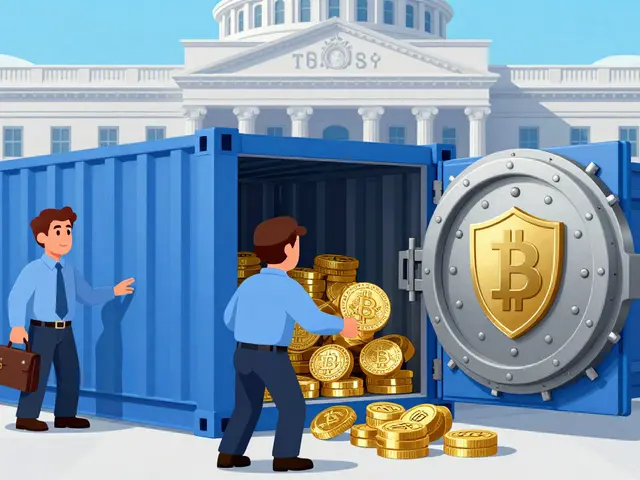
Institutions are now allocating billions to Bitcoin through ETFs, custody solutions, and long-term strategies. Once seen as speculative, Bitcoin is now a recognized hedge against inflation and systemic risk.
CremePie Swap claims to be a Polygon-based DeFi exchange with staking and lottery features, but it has zero trading volume, no liquidity, and no community. All signs point to a scam.
Brokoli Network (BRKL) is a DeFi and gaming platform that ties crypto rewards to real environmental impact. But with a 99.84% price drop and low liquidity, it's a high-risk project with a noble idea.
NFTs have value because of scarcity, creator reputation, utility, and community trust-not just the image itself. Their price is set by floor values, trading volume, and real-world benefits like access and ownership rights.
On-chain governance offers transparency and security by recording votes on the blockchain, while off-chain governance is faster and cheaper but relies on community trust. Most successful blockchains now use a hybrid approach to balance both.
Liquid staking lets you earn rewards without locking up crypto, but it comes with hidden dangers: de-pegging, smart contract hacks, slashing, and centralization risks. Here's what you need to know before you stake.
BinaryX (BNX) never had an airdrop. In March 2025, it was replaced by FORM token in a mandatory 1:1 swap. No free tokens. No bonuses. Just a clean reset. Here's what really happened.
Collector Crypt (CARDS) is a Solana-based platform that tokenizes physical trading cards into redeemable NFTs. With low fees, real-world backing, and a $124M monthly volume, it's reshaping collectibles-but faces regulatory risks.
Cross-chain technology enables asset transfers between blockchains but faces major security, regulatory, and usability challenges. In 2025, $21.8 billion in illicit funds moved through bridges, and most users still struggle with unreliable transfers and poor support.
Interoperability protocols and standards enable blockchains to communicate securely and reliably. Learn how standards like ERC-20, IBC, and CCIP make cross-chain transactions possible-and why custom bridges are risky.
NFT-based digital identity offers user control over personal data but clashes with blockchain's public nature. Secret NFTs and soulbound tokens are solving privacy issues, but adoption and regulation remain key challenges.
The 12-year prison sentence for crypto trading in Bangladesh is widely reported but misleading. No one has been jailed for that long. Learn what laws actually apply, who gets targeted, and how people still trade crypto despite the risks.