Crypto Regulations and Scams in 2025: What Happened in November
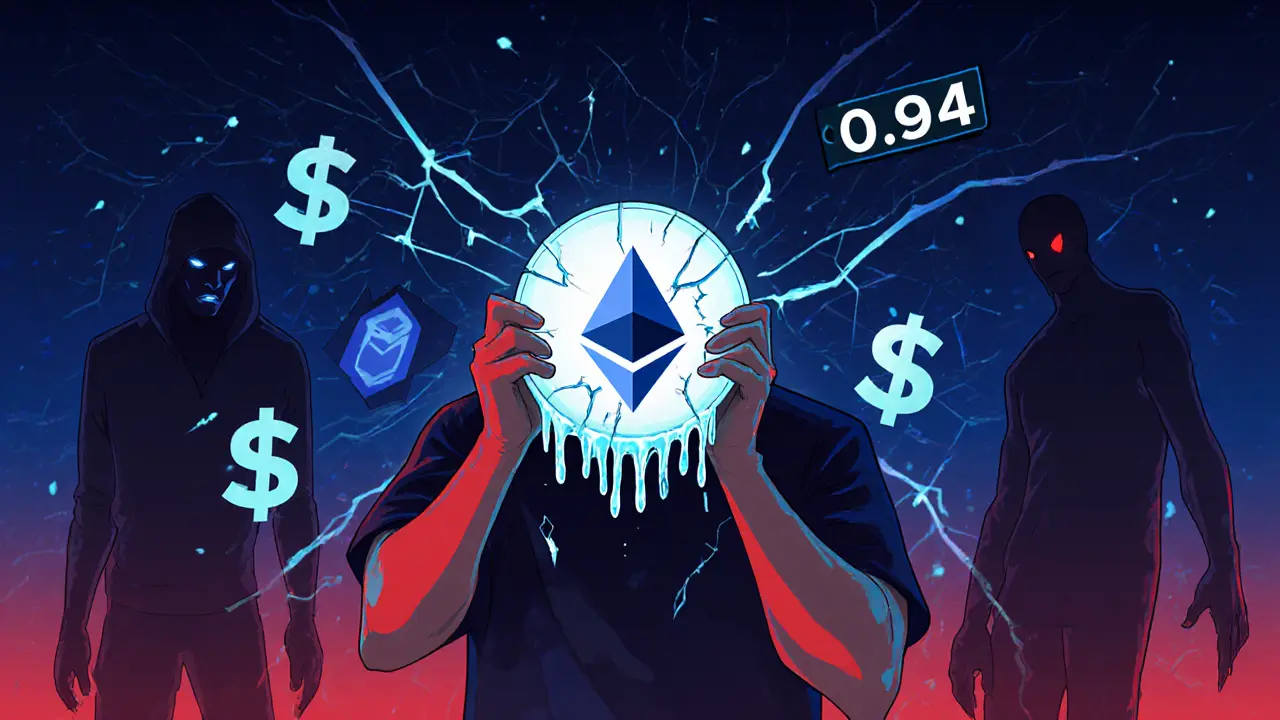
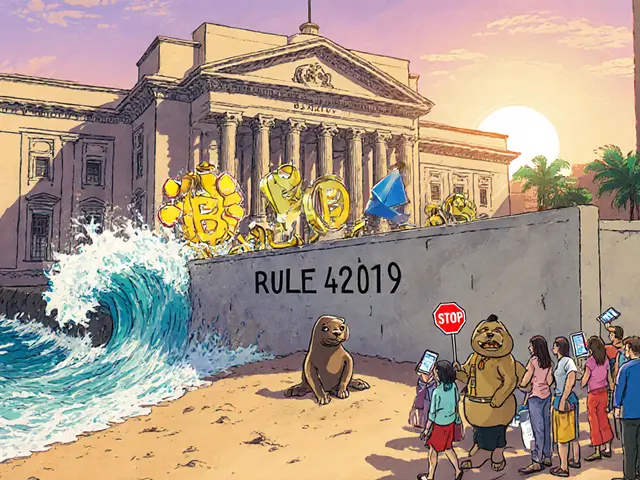
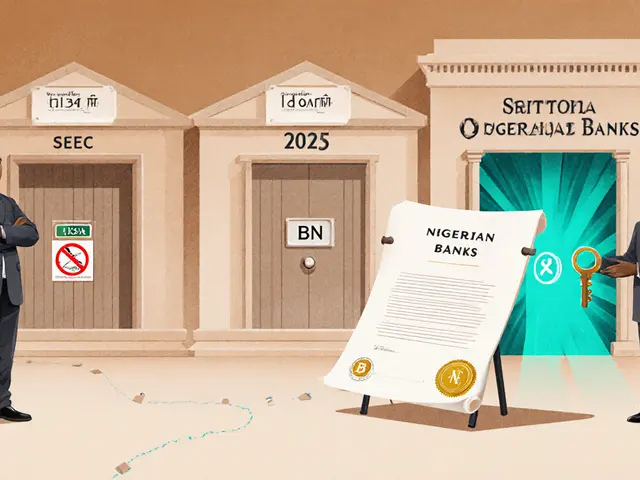
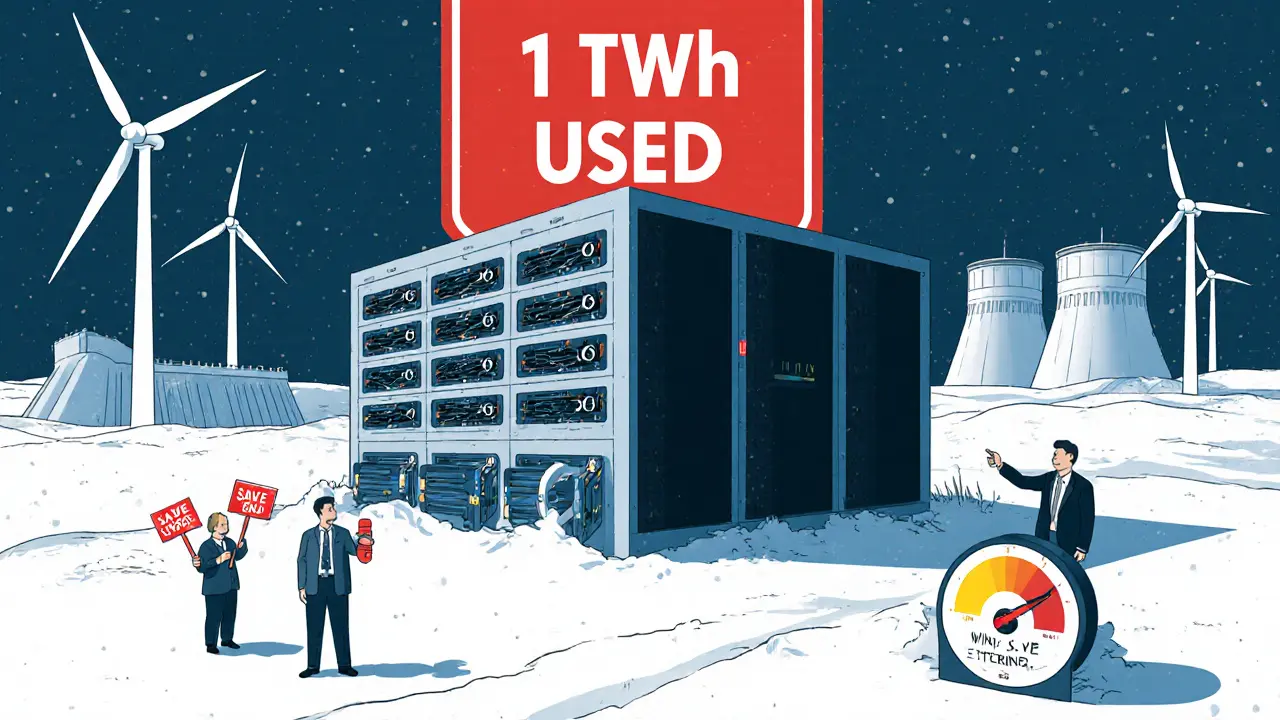
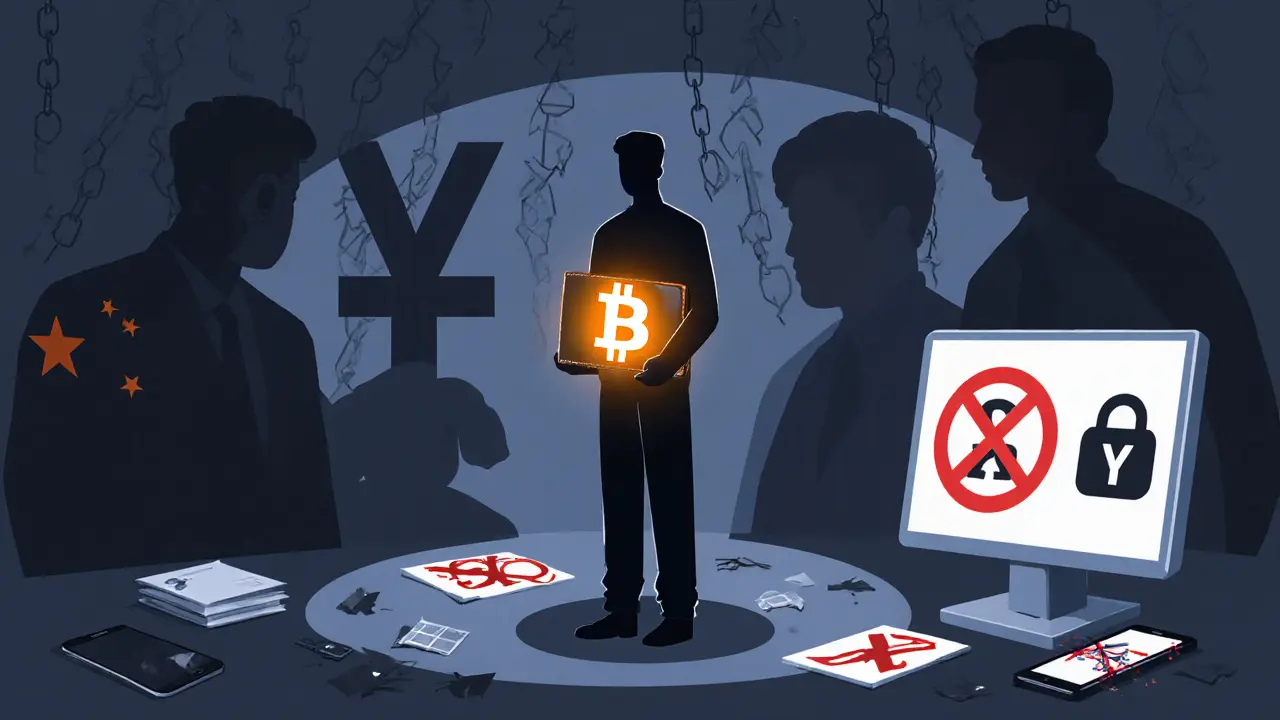
When it comes to crypto regulation, government rules that control how cryptocurrencies are bought, traded, or mined. Also known as cryptocurrency law, it's no longer about if you can use crypto—it's about how much risk you're allowed to take. In November 2025, countries didn’t just tweak rules—they rewrote the game. Sweden shut down energy-heavy mining operations. Vietnam forced exchanges to operate only in local currency and banned stablecoins. Bangladesh’s infamous 12-year prison sentence turned out to be a myth, but the fear it created kept people offline. These aren’t random policies. They’re reactions to real problems: $21.8 billion in illicit funds moving through cross-chain bridges, DeFi platforms collapsing without warning, and users losing everything to phishing scams that now use AI to mimic customer support.
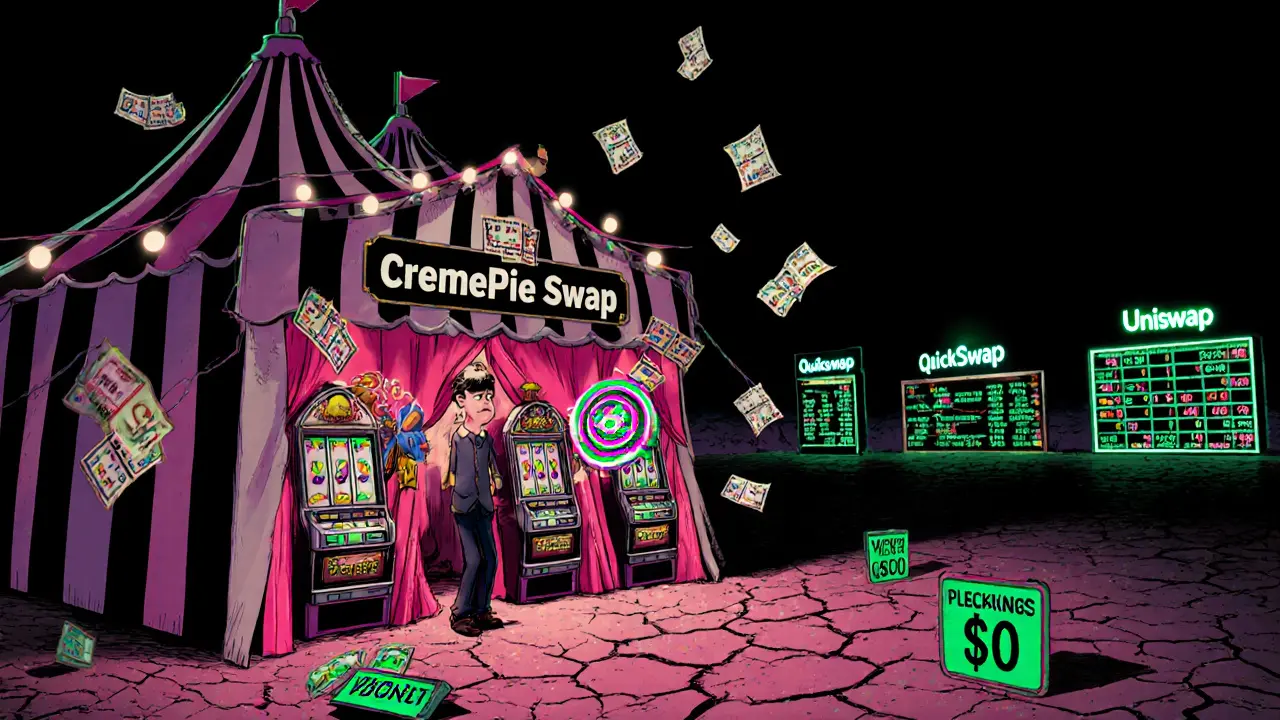
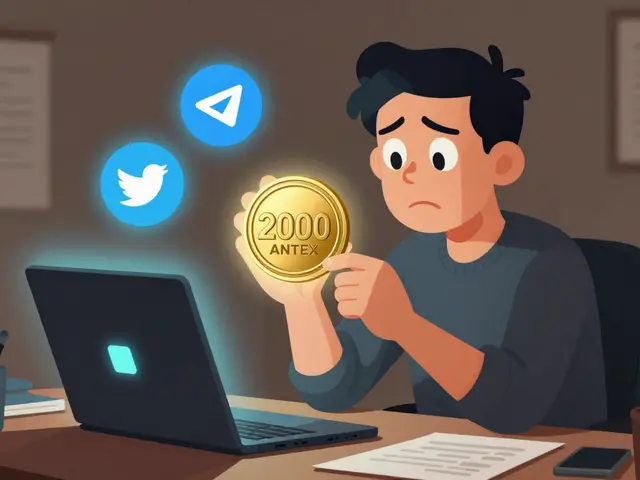
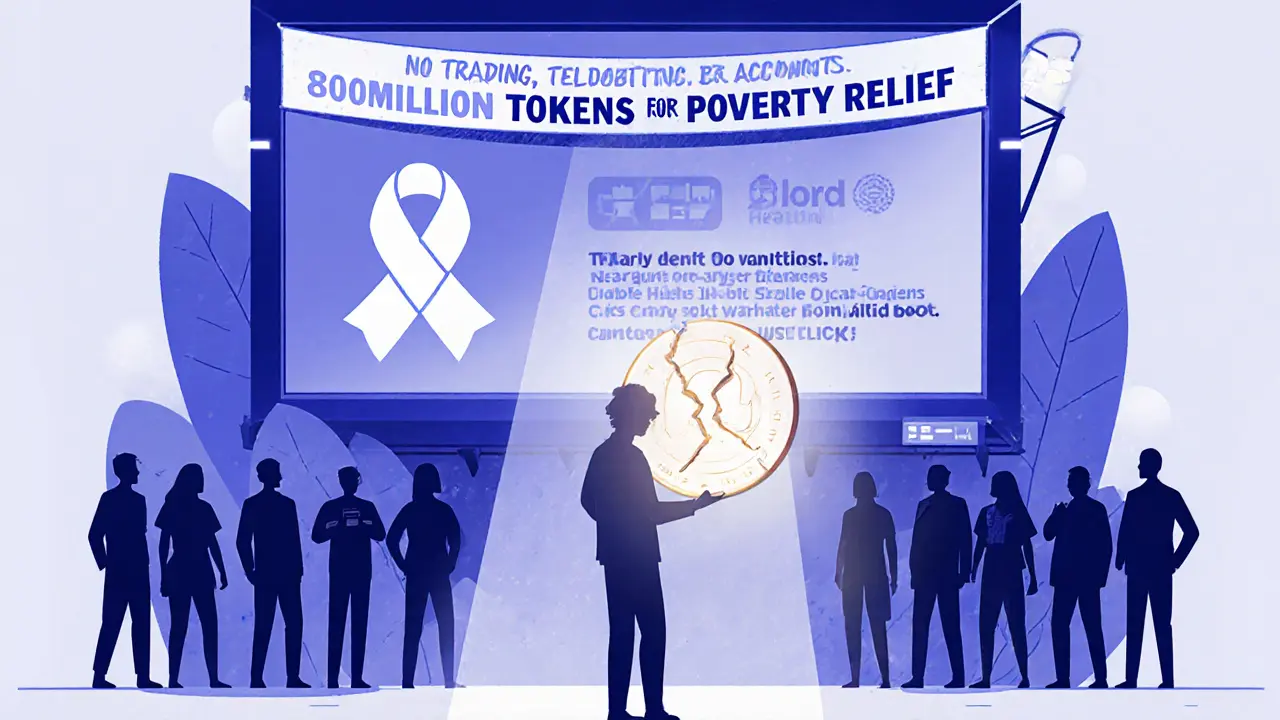
Behind every regulation is a cryptocurrency scam, a fake project designed to steal money by pretending to offer returns, airdrops, or new technology. Also known as crypto fraud, it’s the dark side of innovation. You saw it in CremePie Swap, where zero trading volume hid a dead platform. You saw it in OmniCat, a meme coin with fake price data and no team. You saw it in Squirrex Exchange, which vanished after collecting deposits. And then there were the airdrops—CHY from Concern Poverty Chain, which promised to fight poverty but had zero value, and ANTIX, which actually delivered real tokens but still lured people with misleading claims. These aren’t edge cases. They’re the norm. The market doesn’t reward innovation anymore—it rewards honesty, and most projects don’t have it.
Meanwhile, staking, earning crypto rewards by locking up coins to help secure a blockchain. Also known as proof-of-stake participation, it’s still the easiest way to make passive income became riskier than ever. Liquid staking protocols like stETH started showing signs of de-pegging. Slashing events hit validators who didn’t keep their nodes updated. And yet, people kept staking, ignoring the fine print. Why? Because they didn’t know the difference between a secure network and a honeypot. That’s where this archive helps. You’ll find clear breakdowns of how staking works, what goes wrong, and which tokens to avoid. You’ll also see how governance models—on-chain vs off-chain—decide who controls a project’s future. And you’ll learn why NFTs have value only when backed by real utility, not just a JPEG.
This isn’t a collection of random posts. It’s a map of November 2025’s crypto landscape—where rules are hardening, scams are evolving, and the only way to survive is to understand what’s real. Below, you’ll find exact case studies: what happened in China, how Indonesians stay legal, why Brokoli Network crashed 99.84%, and why the Genesis Block still matters. No fluff. No hype. Just facts you can use to protect your money.

![What is Sheesha Finance [ERC20] (SHEESHA) crypto coin? Token details, risks, and real-world performance](/uploads/2025/11/what-is-sheesha-finance-erc20-sheesha-crypto-coin-token-details-risks-and-real-world-performance.webp)