DeFi: Decentralized Finance Overview
When working with DeFi, a set of blockchain‑based financial services that run without banks or other middlemen. Also known as Decentralized Finance, it lets anyone lend, borrow, trade, or earn yield directly from smart contracts. Because there’s no gatekeeper, the space moves fast, pulls in developers from all over, and often bends the rules of traditional finance.
Core building blocks that power DeFi
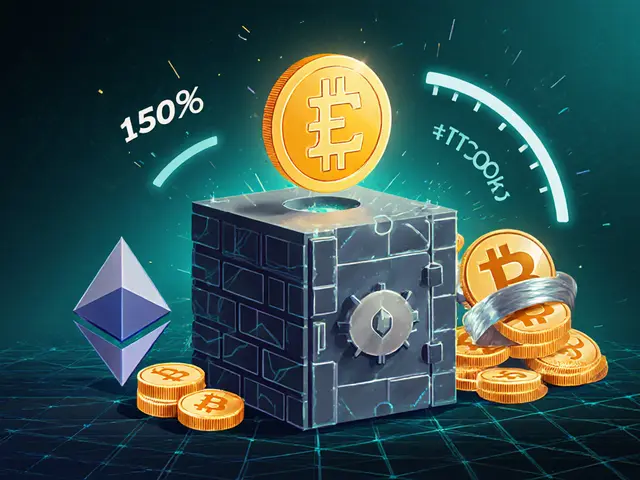
One of the first things you’ll meet is a lending protocol like Aave, a platform that uses algorithmic interest rates to match lenders with borrowers. Aave’s model shows how DeFi turns idle crypto into earning power, and it also demonstrates the importance of interest‑rate models that you’ll see later in our guides. Stablecoins such as MAI (MIMATIC), an over‑collateralized token on Polygon that keeps its price pegged to the US dollar act as the cash layer for many DeFi apps. They let users move value without worrying about volatility, which is essential for borrowing, trading, and providing liquidity.
Liquidity itself lives on decentralized exchanges (DEX), automated platforms where smart contracts match buyers and sellers without a central order book. DEXes power token swaps, enable fee‑earning for liquidity providers, and keep the whole ecosystem open. The health of a DEX often dictates how easily users can enter or exit a DeFi position, so you’ll find many articles that break down the best DEX strategies and compare them to traditional, centralized exchanges.
Regulation is the wildcard that can reshape the entire DeFi landscape. Recent EU AML rules, the MiCA licensing framework, and the Travel Rule all aim to bring crypto firms under tighter scrutiny. Our post on EU crypto AML requirements explains what companies need to do to stay compliant, while another article looks at how cross‑border monitoring affects DeFi users moving assets between jurisdictions. Understanding the regulatory backdrop helps you gauge risk, pick compliant platforms, and avoid sudden freezes on your funds.
Beyond the core protocols, DeFi also rewards community participation through token airdrops and incentive programs. Articles on the Hero Arena (HERA) airdrop, the SPAT token giveaway, and the Phala (PHA) distribution show how projects use free tokens to bootstrap users and create network effects. These guides walk you through eligibility, claim steps, and safety tips, so you can capture upside without falling for scams. Whether you’re a trader looking for yield, a developer building the next DAO, or just curious about how crypto can replace banking services, the collection below has something for you. Dive into the individual pieces to see how each piece fits into the bigger DeFi puzzle.