


Imagine owning a piece of a skyscraper for $500. That’s the reality of real-world asset tokenization platforms, which convert physical assets like real estate, machinery, or commodities into digital tokens on blockchain networks. This technology bridges traditional finance and blockchain, unlocking liquidity in assets that were once locked away. The Boston Consulting Group predicts tokenized assets could hit $16 trillion by 2030, compared to today’s $900 trillion global asset value. Right now, these platforms manage about $2.3 billion in tokenized assets, but adoption is accelerating fast.
What Is Real-World Asset Tokenization?
Real-World Asset (RWA) tokenization is the process of converting ownership rights to physical or traditional financial assets into digital tokens on a blockchain. These tokens represent fractional ownership, meaning you can buy a small piece of a high-value asset like a commercial building or oil pipeline. Unlike cryptocurrencies, RWA tokens are backed by real-world value, making them more stable and tied to tangible assets. For example, a $10 million office building could be split into 100,000 tokens, each worth $100. Investors can then trade these tokens 24/7 on digital marketplaces, something impossible with traditional real estate.
Blockchain technology makes this possible by providing a secure, transparent ledger for tracking ownership. Smart contracts automatically handle transactions, dividends, and compliance rules without needing banks or brokers. This cuts costs and speeds up processes. A European private equity firm tokenized €50 million in commercial real estate recently, settling transactions in 72 hours instead of the usual 45 days. That’s a game-changer for liquidity.
How RWA Tokenization Works
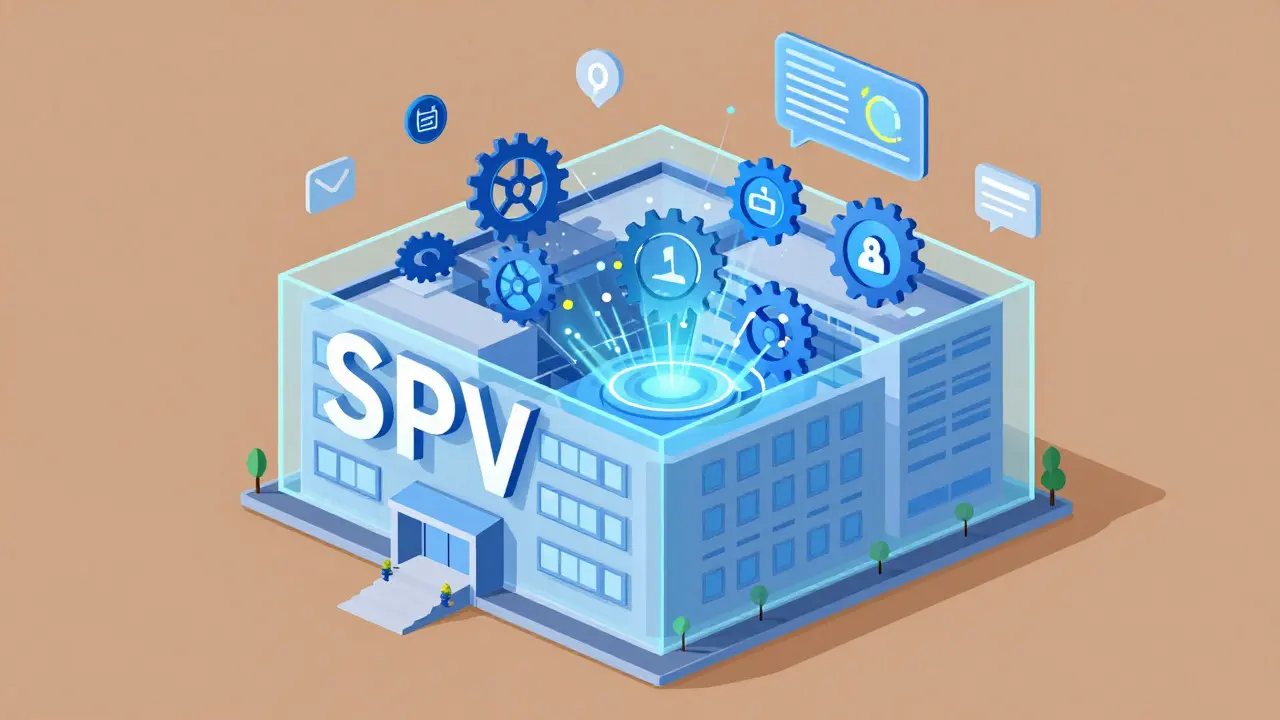
The process has six clear steps. First, asset selection happens. Platforms choose assets like real estate, machinery, or royalty streams that can be legally tokenized. Next, they create a Special Purpose Vehicle (SPV), a legal entity that holds the physical asset and links it to digital tokens. This ensures regulatory compliance and separates the asset from the platform’s own finances.
Then comes token minting. Tokens are created using standards like ERC-20 on Ethereum or Polygon blockchains. Smart contracts are set up to define rules-like who can buy tokens, how dividends are paid, or transfer restrictions. After that, tokens are distributed to investors through digital marketplaces. Finally, secondary trading allows continuous buying and selling, often with settlement in seconds instead of days.
For example, Mintology’s platform handles real estate tokenization by connecting property management systems directly to blockchain. This automates rent collection and distributes profits to token holders instantly. Securitize, meanwhile, focuses on security token offerings for stocks or bonds, integrating with traditional broker-dealer networks for smoother compliance.
Top RWA Tokenization Platforms
| Platform | Focus Area | Key Features | Regulatory Approach |
|---|---|---|---|
| Mintology | Commercial real estate | Integration with property management systems | US and EU compliance |
| Securitize | Security token offerings | Integration with broker-dealer networks | Deep US regulatory compliance |
| MANTRA Chain | Institutional adoption | Regulatory-first architecture | Global KYC/AML protocols |
| S-PRO | European assets | End-to-end tokenization services | Strong EU regulatory framework |
MANTRA Chain stands out for its institutional-grade privacy features and Layer 1 blockchain launched in March 2024. It’s built for banks and asset managers needing strict compliance. Securitize partnered with BlackRock in January 2024 to tokenize $100 million in Treasury bonds-a huge step for mainstream adoption. Meanwhile, S-PRO specializes in European regulations, making it ideal for clients operating in the EU. Each platform has unique strengths, but all rely on Chainlink Oracles for real-time asset pricing. Chainlink’s 99.98% uptime for price feeds is critical; without it, token valuations could drift dangerously off-market.
Benefits and Challenges
The biggest win? Fractional ownership. You can invest $100 in a $10 million asset, something impossible before. Settlements that take weeks in traditional markets happen in seconds on blockchain. Plus, 24/7 global trading means no more waiting for market hours. A Reddit user recently bought $500 worth of Manhattan real estate tokens through RealT, a platform using RWA tokenization. That’s accessibility at scale.
But challenges exist. Regulatory rules vary wildly by country. A platform compliant in Switzerland might fail in the US. Secondary markets for niche assets like art or patents often have low liquidity, with bid-ask spreads as high as 12%. Smart contract bugs also pose risks-though insurance solutions like Nexus Mutual’s RWA coverage (launched late 2023) are helping. G2 reviews show RWA platforms score 4.7/5 for security but only 3.1/5 for integration with legacy systems. That’s a hurdle for traditional finance institutions trying to adopt this tech.
Current Market Snapshot
As of 2024, real estate makes up 62% of tokenized assets, followed by commodities at 18% and private credit at 12%. Over 70% of top global asset managers have active RWA pilots, according to PwC. Switzerland leads regulation with its DLT Act, while Singapore’s Project Guardian tests cross-border tokenized trades. The US is patchy, with Wyoming’s SPDI charters being the most crypto-friendly framework. But growth is clear: monthly new tokenization projects jumped from 12 in Q1 2022 to 89 in Q4 2023.
Still, tokenized assets represent less than 0.001% of global asset value. That means massive room to grow. J.P. Morgan’s Onyx division forecasts tokenized bonds will hit 10% of global bond issuance by 2030. But Deloitte warns regulatory hurdles in 2024-2025 could delay mainstream adoption by 2-3 years. Custody solutions for physical assets-like vaults for gold or warehouses for commodities-remain a technical challenge too.
What’s Next for RWA Tokenization?
Major updates are rolling out fast. Chainlink’s CCIP 2.0 (launched February 2024) lets tokens move seamlessly between blockchains. SWIFT’s pilot project connecting its global payment network to RWA platforms could enable instant fiat-to-crypto settlements. The International Token Standardization Association just released Version 3.0 of its RWA token standard, mandating 14 compliance fields for legal enforceability.
Experts like Sergey Nazarov (Chainlink co-founder) call RWA tokenization "the bridge between traditional finance and blockchain." But David Gerard, author of "Attack of the 50 Foot Blockchain," warns about regulatory "time bombs" if legal complexities are underestimated. The consensus? High potential, but execution matters. By 2026, Gartner predicts 10% of Fortune 500 companies will tokenized assets-but only 35% will achieve meaningful liquidity. That means choosing the right platform and compliance strategy is critical.
What is RWA tokenization?
Real-World Asset (RWA) tokenization converts physical assets like real estate, machinery, or commodities into digital tokens on a blockchain. These tokens represent ownership shares, allowing fractional investment and 24/7 trading. Unlike cryptocurrencies, RWA tokens are backed by tangible assets, providing stability and real-world value.
How do RWA platforms ensure legal compliance?
Platforms use Special Purpose Vehicles (SPVs) to legally separate assets from the platform itself. Smart contracts embed compliance rules like KYC/AML checks, investor accreditation, and jurisdiction-specific regulations. For example, MANTRA Chain integrates KYC directly into token standards, while Securitize works with broker-dealers to follow US securities laws. This structure ensures tokens are legally enforceable and regulated.
Can I invest in RWA tokens with $100?
Yes. Fractional ownership is a core feature of RWA tokenization. A $10 million property might be split into 100,000 tokens worth $100 each. Platforms like RealT let retail investors buy tokens starting at $100. This opens up high-value assets to everyday people who couldn’t afford full ownership before.
What’s the biggest risk with RWA tokenization?
Regulatory fragmentation is the top risk. Rules differ wildly by country-Switzerland’s DLT Act is clear, but the US has a patchwork of state laws. Smart contract vulnerabilities and custody issues for physical assets (like gold or real estate) also pose challenges. Insurance solutions like Nexus Mutual’s RWA coverage are emerging, but these risks require careful platform selection.
How do RWA tokens differ from cryptocurrencies?
Cryptocurrencies like Bitcoin are native to blockchain and have no underlying physical asset. RWA tokens represent ownership in real-world assets (e.g., a building or oil pipeline), making them backed by tangible value. This typically makes RWA tokens less volatile than pure cryptocurrencies. For example, a tokenized commercial property trades based on real estate market conditions, not speculative crypto demand.


People Comments
RWA tokenization is fascinating from a cultural perspective. Different regions approach it in unique ways-Switzerland's clear regulations versus the US's patchwork system. It's interesting how this technology can bridge cultural gaps in finance. I've noticed that in some communities, tokenized assets are helping small businesses access capital. It's not just about money; it's about inclusion and opportunity. The global nature of blockchain means assets can be traded anywhere, which is pretty cool. I think this could reshape how we think about ownership worldwide. But it's still early days, so let's see how it develops.
This is a game-changer for real estate investing.
Oh my goodness, I love how you mentioned cultural aspects! 🌍 The way different countries are adopting this is truly remarkable. Switzerland's DLT Act is a game-changer, while the US is still figuring it out. Imagine a world where a building in Tokyo can be owned by someone in Brazil through tokens! It's like the future of finance is here. This is so exciting! The possibilities are endless. I can't wait to see how this evolves globally.
RWA tokenization presents significant opportunities for asset liquidity. By converting physical assets into digital tokens, we can unlock capital that was previously inaccessible. The use of smart contracts ensures transparency and efficiency in transactions. However, regulatory compliance remains critical. Platforms like Securitize and MANTRA Chain are setting strong precedents in this regard. It's important to balance innovation with legal frameworks to ensure sustainable growth. This technology has the potential to revolutionize traditional finance, but it requires careful implementation.
Wow! This is amazing! I can't believe how much this technology is changing things! Fractional ownership is revolutionary! Imagine buying a piece of a skyscraper for $500! It's incredible! But wait, there's a problen: what if the asset's value drops? Or what if there's a hack? Oh no! The security is crucial! Also, the regulatory issues are a big deal. I think we need to be careful. But overall, this is so exciting! It's going to change everything! I'm so happy! Let's do this! #RWA
As a seasoned finance professional, I must emphasize that RWA tokenization represents a quantum leap in asset liquidity. The integration of smart contracts with blockchain infrastructure eliminates traditional friction points. This isn't just innovation-it's a systemic transformation. The $16T market potential by 2030 isn't hype; it's inevitable. 🚀 However, institutional adoption requires robust compliance frameworks. MANTRA Chain's regulatory-first architecture is a step in the right direction. But we mustn't overlook the role of decentralized oracles for price stability. Chainlink's 99.98% uptime is non-negotiable. 🌐 This is the future of finance-embrace it or get left behind. 💼✨
Okay, so I've been studying this RWA tokenization thing for a while now, and I think I've got it all figured out. First of all, the whole concept of turning physical assets into digital tokens is brilliant, but it's not as simple as people think. You have to consider the legal frameworks in each jurisdiction, which can be a nightmare. For example, in the US, it's a patchwork of state laws, whereas in Switzerland, they have a clear DLT Act. Then there's the issue of custody for physical assets-like, how do you secure a gold vault or a real estate property on-chain? It's not just about the blockchain; it's about the entire ecosystem. And don't get me started on the regulatory hurdles. The SEC is still trying to figure out how to classify these tokens, which creates uncertainty. Plus, there are smart contract risks-what if there's a bug in the code? That could lead to massive losses. But despite all that, the potential is huge. Fractional ownership opens up investments to everyday people who couldn't afford it before. Imagine buying a piece of a skyscraper for $500-that's revolutionary. However, the market is still tiny compared to global assets. Right now, tokenized assets are only $2.3 billion, but the BCG predicts $16 trillion by 2030. But that's a big leap. I think the key is to ensure proper compliance and security measures. Without those, this whole thing could collapse. And let's not forget about the role of Chainlink Oracles-they're crucial for accurate pricing. If those fail, the whole system is compromised. So yeah, there's a lot to consider, but I'm optimistic. It's a game-changer, but it needs to be done right. I've seen some platforms like Securitize and Mintology doing good work, but there's still a long way to go. I hope regulators step up to create clear guidelines. Otherwise, this could become a mess. But overall, it's a fascinating development that's changing finance forever.
I agree with much of what you said. The regulatory challenges are real, but platforms are adapting. For example, Securitize's integration with broker-dealers helps navigate US compliance. It's important to work together to solve these issues. The potential here is too great to ignore. Let's keep the conversation going.
That's a very thoughtful analysis! I appreciate how you emphasized regulatory compliance-it's absolutely crucial. With the right frameworks in place, RWA tokenization can truly democratize access to assets. It's exciting to see how this technology bridges traditional finance and blockchain. I'm hopeful for the future! 🌟
Collaboration is key. Regulatory frameworks must evolve with the technology. It's not about stopping progress but guiding it thoughtfully. The potential for inclusion is immense. Let's focus on solutions.
Let's be real-this tokenization stuff is mostly for amateurs. Real finance is about serious institutions. The US needs to lead here, not some random platforms. Switzerland and Singapore? Fine for them, but America should be setting the standards. This isn't a game; it's serious business. We need to keep it professional.
yo dude you're so wrong. america is behind in crypto. switzerland is way ahead. this is global. why you so stuck on america? it's not about you. also, tokenization is for everyone. not just "serious" people. you're being elitist. 🤦♀️
Wow, this is incredible! RWA tokenization is revolutionizing finance. Imagine owning a piece of real estate from anywhere in the world! It's so accessible. Platforms like Mintology and Securitize are doing amazing work. The future is here! Let's embrace this change. 🚀💼✨
Thank you for highlighting the positive aspects. It's true that these platforms are making asset ownership more accessible. However, we must also consider the risks involved. Proper due diligence is essential for investors. This technology has great potential, but it requires careful implementation. Let's stay informed and proceed thoughtfully.
Exactly! This is why regulations matter. 🧠 Switzerland's clear framework shows how it's done. The US is lagging. But don't worry-this isn't a game. It's serious business. We need to get serious about compliance. Otherwise, it's all chaos. 💼❌
This whole tokenization thing is overhyped. Real estate is $10 million? Split into tokens? Yeah, but who's really backing this? Like, what happens if the building burns down? You think the tokens are worth anything? Not sure. Seems risky.
True. It's all hype. The risks are too high. Why even bother? It's not worth it. Just look at the numbers. 2.3 billion vs 16 trillion? That's a stretch. Not realistic.
There's so much potential here. Fractional ownership opens doors for people who've been excluded from traditional markets. It's about creating opportunities for everyone. Platforms that prioritize transparency and security are the way forward. Let's support those efforts.
Oh, "opportunities for everyone"? That's such a naive view. Do you really think this is accessible to everyone? The reality is that most people don't understand blockchain. The average investor gets ripped off. And what about the environmental impact of blockchain? No one talks about that. It's not all sunshine and rainbows. This technology has serious flaws that are being ignored. I'm not sure it's worth the hype.
While your concerns are valid, they overlook the broader implications. Blockchain technology, when properly regulated, can be environmentally sustainable. Moreover, the democratization of asset ownership is a profound societal advancement. It's not naive-it's progressive. We must balance innovation with responsibility. This is not a binary issue but a nuanced evolution of finance.
This is incredible! RWA tokenization is the future of finance. It's amazing how it bridges traditional assets with blockchain. I'm so excited to see where this goes! Let's work together to make it happen! 🚀✨💼