
Top 8 Countries with the Harshest Crypto Restrictions and Bans in 2025
Discover the eight nations with the toughest crypto restrictions in 2025, from full bans to heavy taxes, and learn how they affect users.
When navigating crypto regulation 2025, the collection of laws, guidelines, and compliance standards shaping digital assets this year. Also known as 2025 crypto compliance, it directly influences how crypto exchanges, platforms that let users trade, deposit and withdraw cryptocurrencies operate, how stablecoins, digital tokens pegged to fiat or other assets are issued, and how cross‑border flows are monitored by regulators such as FinCEN, the U.S. Financial Crimes Enforcement Network overseeing anti‑money‑laundering compliance. In the EU, the MiCA, Markets in Crypto‑Assets regulation that sets unified rules for crypto‑service providers stands out as a benchmark for global policy.
One of the biggest shifts this year is the move from fragmented national rules to more harmonized frameworks. MiCA forces European exchanges to register, hold capital buffers, and publish detailed whitepapers for every token they list. That requirement pushes firms toward greater transparency and gives investors clearer risk signals. Meanwhile, FinCEN tightens the Travel Rule, demanding that virtual asset service providers share originator and beneficiary details on transactions above $10,000. The ripple effect is that many global platforms now embed compliance layers directly into their onboarding and transaction pipelines.
For crypto exchanges, the new compliance checklist reads like a mini‑audit: AML/KYC verification, real‑time transaction monitoring, and mandatory reporting of suspicious activity. Platforms that previously operated with lax KYC, such as some unregulated venues, face shutdowns or hefty fines if they don’t adapt. The shift also raises operating costs, which can translate into higher trading fees for users. On the stablecoin side, regulators demand proof of adequate collateral, regular attestation reports, and clear redemption mechanisms. Tokens that can’t meet those standards risk being re‑classified as securities or even banned in certain jurisdictions.
Cross‑border crypto flows are another hot spot. FinCEN’s expanded guidance means that every crypto transfer crossing a national border may trigger reporting obligations similar to traditional wire transfers. Companies offering crypto‑based remittance services must now integrate robust identity verification and transaction‑level risk scoring. The overall goal is to prevent illicit financing while keeping legitimate users’ experience smooth. As a result, developers building DeFi protocols need to think about compliance hooks early, or risk their projects being frozen by regulators.
All these developments create a mixed landscape: on one hand, clearer rules reduce uncertainty and attract institutional capital; on the other, smaller innovators must navigate a growing compliance maze. Below you’ll find a curated set of articles that dig into specific exchanges, airdrop projects, stablecoin mechanics, and regional regulatory snapshots—all examined through the lens of the 2025 regulatory environment. Keep reading to see how these changes play out in practice and what steps you can take to stay ahead of the curve.
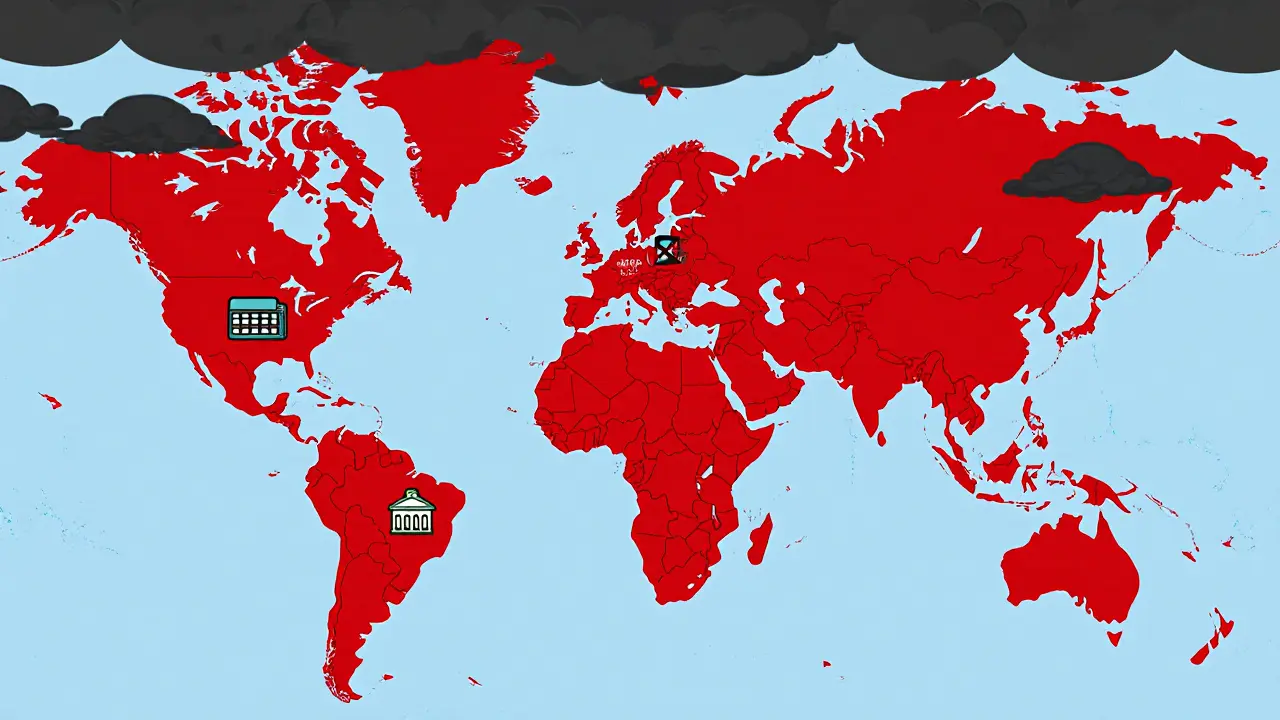
Discover the eight nations with the toughest crypto restrictions in 2025, from full bans to heavy taxes, and learn how they affect users.