Bitstamp 2025: What’s Changed, What Matters, and Where to Trade
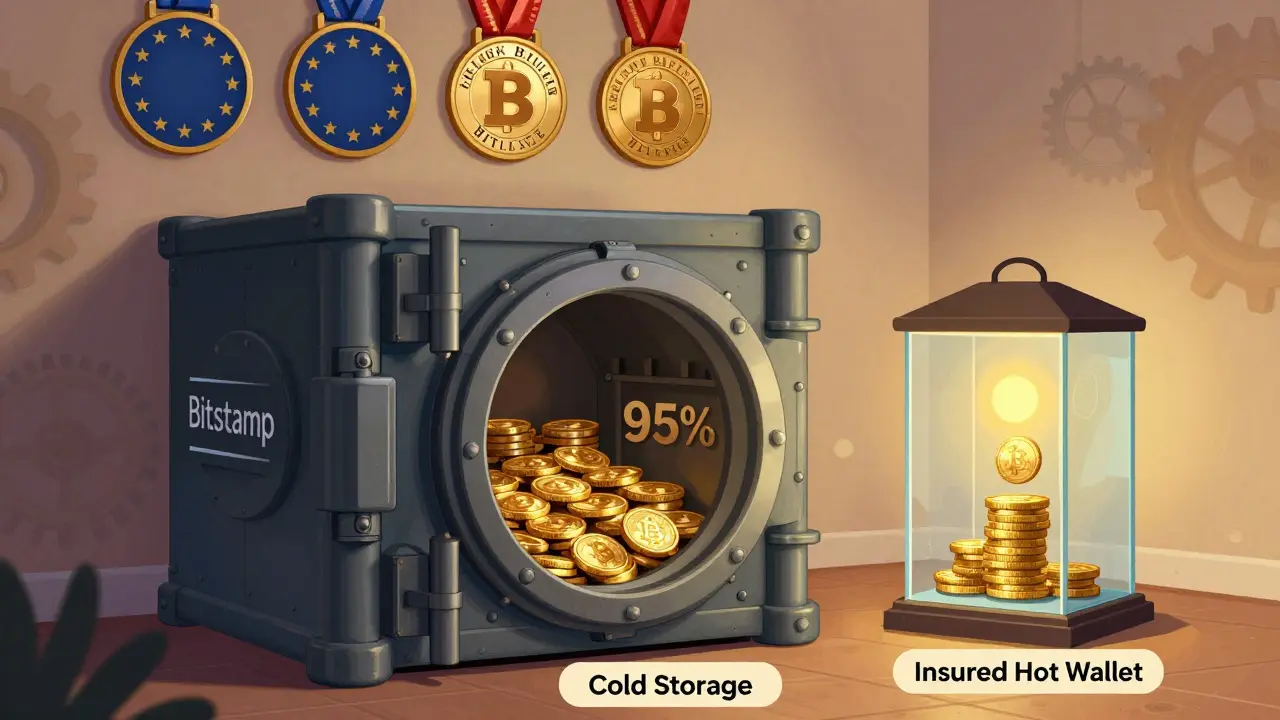
When you think of a Bitstamp, one of the oldest and most regulated cryptocurrency exchanges in the world. Also known as Bitstamp.net, it was founded in 2011 and still holds licenses in the EU and US, making it a go-to for users who want security over hype. Unlike flashy new platforms that vanish after a token drop, Bitstamp has survived bear markets, regulatory crackdowns, and crypto winters by sticking to basics: clear rules, real oversight, and honest fees.
By 2025, crypto exchange, a platform where you buy, sell, or trade digital currencies like Bitcoin and Ethereum. Also known as cryptocurrency trading platform, it has become more crowded than ever. Competitors like Kraken, Coinbase, and Reku offer similar services with lower fees or better local support. But Bitstamp still stands out for one thing: it’s been audited, licensed, and trusted for over a decade. If you’re in Europe or the U.S., and you want to move Bitcoin without worrying about your funds disappearing, Bitstamp is still a safe bet.
Here’s what changed in 2025: Bitstamp fees, the charges applied when trading, depositing, or withdrawing crypto on the platform are now more competitive than before—especially for high-volume traders. Withdrawal fees for Bitcoin dropped slightly, and EUR deposits via SEPA are still free. But if you’re trading altcoins, you’ll notice some tokens have thinner liquidity than on bigger exchanges. That means slippage can be higher, and order fills slower. It’s not the place to chase meme coins or new airdrops. This isn’t Hubi or CremePie Swap. It’s a place for serious traders who want to buy Bitcoin, Ethereum, or stablecoins without drama.
Bitstamp also doesn’t push staking or DeFi gimmicks. No liquid staking tokens. No lottery systems. No fake yield farms. That’s a feature, not a flaw. If you’ve seen what happens to users on platforms like Sheesha Finance or CremePie Swap—zero volume, no team, disappearing funds—you’ll appreciate that Bitstamp keeps things simple. You deposit. You trade. You withdraw. No magic. No promises.
And yes, it still supports fiat on-ramps. You can buy crypto with a bank transfer in EUR, USD, GBP, and more. That’s rare these days. Many exchanges have pulled back on fiat because of compliance costs. Bitstamp didn’t. That’s why it still shows up in guides for beginners who need a real, non-scammy place to start.
But here’s the truth: Bitstamp 2025 isn’t for everyone. If you’re in Indonesia and want to trade under OJK rules, Reku is better. If you’re in the UAE and want zero tax, you’ll need a different setup. If you’re chasing airdrops like ARCH or ANTEX, you won’t find them here. Bitstamp doesn’t run promotions. It doesn’t need to. Its reputation is its marketing.
What you’ll find below are real reviews, fee comparisons, and updates on how Bitstamp stacks up against other exchanges in 2025. No fluff. No guesses. Just what’s working, what’s not, and who should still be using it—or walking away.