Bitcoin holders: Who they are, what they do, and why they matter
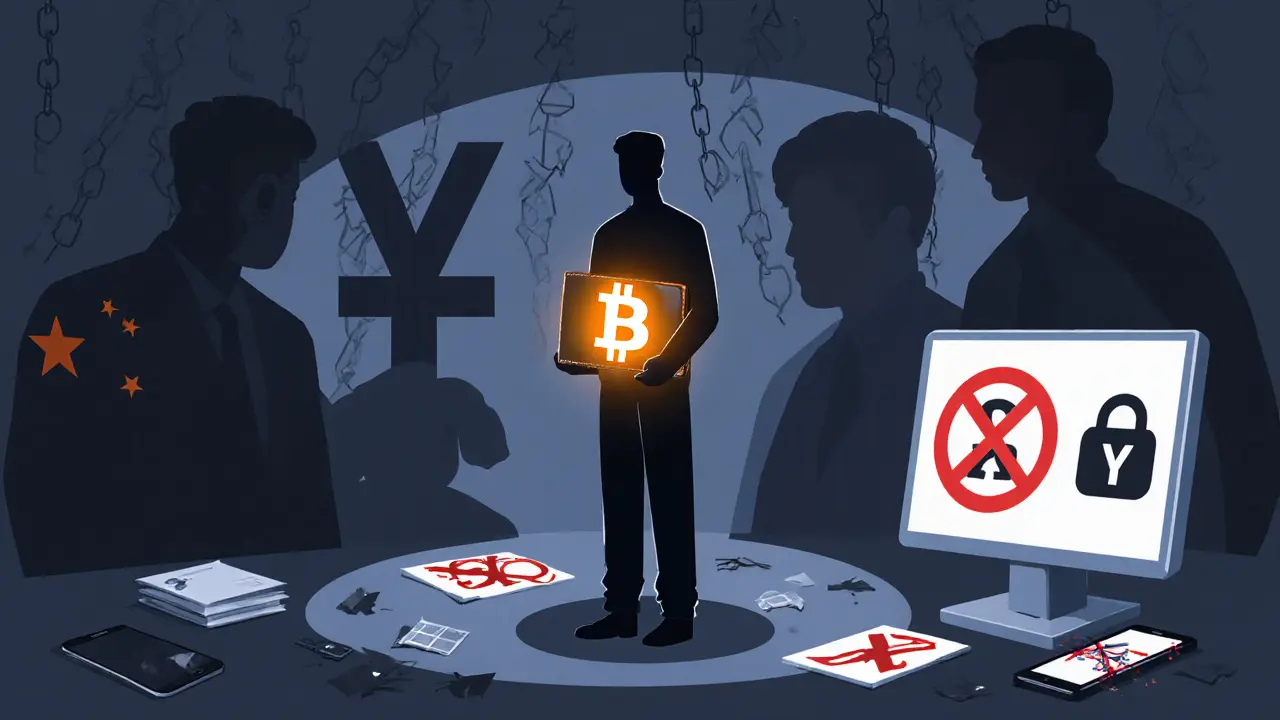
When we talk about Bitcoin holders, people or entities who own Bitcoin, regardless of how much or why. Also known as BTC owners, they're not just traders waiting for a price spike—they're the backbone of Bitcoin’s security, adoption, and long-term value. Every Bitcoin in circulation is held by someone. That someone could be a teenager in Nigeria using it to send money home, a pension fund in Switzerland buying it as inflation insurance, or a whale sitting on 10,000 BTC since 2013. What they all share is control over private keys and a belief—whether economic, ideological, or practical—that Bitcoin has staying power.
Bitcoin holders aren't a monolith. Some hold because they distrust banks. Others hold because they see it as digital gold. And increasingly, institutional crypto, large organizations like hedge funds, corporations, and asset managers investing in Bitcoin are becoming major holders. Companies like MicroStrategy and BlackRock aren’t buying Bitcoin for quick flips—they’re adding it to balance sheets like real estate or commodities. This shift changed everything. Once seen as a fringe asset, Bitcoin is now treated as a reserve asset by institutions holding billions. Their buying power pushes price, but more importantly, it legitimizes Bitcoin as something real—not just hype.
Then there are the retail holders—the everyday people who bought their first Bitcoin after a YouTube video or a friend’s tip. Many of them hold through Bitcoin ETFs, exchange-traded funds that let you invest in Bitcoin without managing wallets. These aren’t direct holders, but they’re still part of the ecosystem. They’re not storing keys, but they’re still betting on Bitcoin’s future. And that matters. The more people hold Bitcoin—even indirectly—the harder it is to manipulate, and the more resilient the network becomes.
But holding Bitcoin isn’t just about buying and forgetting. It’s about timing, security, and mindset. Some holders panic-sell when the price drops 10%. Others ride through 80% crashes because they believe in the tech. The most successful holders don’t chase trends—they follow principles. They avoid shady exchanges, use hardware wallets, and don’t get sucked into every new coin or airdrop. You’ll see that theme repeated in the posts below: scams like CHY, SHEESHA, and CremePie Swap prey on people who don’t understand what real holding looks like. Meanwhile, the real Bitcoin holders? They’re focused on the long game.
What you’ll find here isn’t a list of price predictions. It’s a collection of real stories, warnings, and breakdowns about who holds Bitcoin, how they hold it, and what separates the smart holders from the ones who lose everything. From how institutions are stacking BTC to why most crypto airdrops are traps, these posts cut through the noise. If you’re trying to figure out whether to hold, how to hold safely, or why some people treat Bitcoin like cash while others treat it like a lottery ticket—you’ll find answers here. No fluff. Just what matters.