


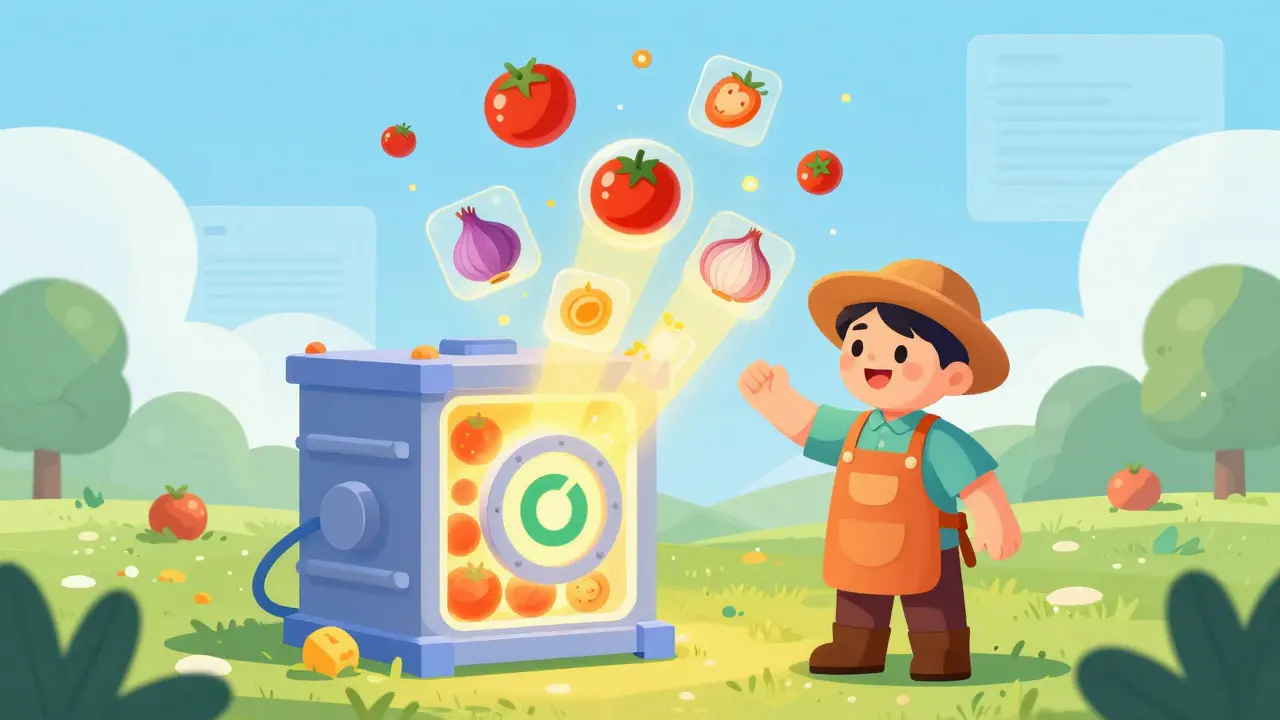
Are you waiting for a massive drop of free OneRare Ingredient NFTs? If so, you might be looking in the wrong place. The OneRare Foodverse is a blockchain-based gaming platform that rewards players with ingredient NFTs through active farming and staking rather than passive airdrops. While there are no traditional "click-and-get" airdrops for these specific assets, the platform offers a robust system where you can earn them by participating in the ecosystem.
This guide breaks down exactly how to get your hands on these digital ingredients, why they matter, and how the ORARE token fits into the picture. We’ll look at the mechanics of the Farm, the risks of environmental events, and the best strategies to maximize your yield in this unique play-to-earn environment.
Understanding the OneRare Ecosystem
To understand why there isn't a simple airdrop button, we first need to look at what OneRare actually is. It is often described as the world's first food metaverse. Instead of battling dragons or racing cars, players engage with global cuisine. The platform launched its 'Foodverse Island - The Gaming Zone' on the Polygon network, which provides low-cost and high-speed transactions essential for frequent micro-rewards in gaming.
The core loop involves four main areas: the Farm, the Farmer's Market, the Kitchen, and the Playground. Your goal is to gather ingredients, cook dishes, and win games. The Ingredient NFTs are the raw materials for this entire economy. They aren't just collectibles; they are functional tools required to mint Dish NFTs, which hold higher value and utility within the game.
How to Earn Ingredient NFTs (The Real "Airdrop")
Since there is no static list of addresses receiving free tokens, you must participate in the Staking Mechanism. This is the closest thing to an airdrop because it generates new assets for you over time. Here is how the process works:
- Acquire ORARE Tokens: You need the native governance and utility token of the platform. Buy these from a supported exchange or the marketplace.
- Select a Farming Pool: Navigate to the Farm section of the Gaming Zone. There are six themed pools available.
- Stake Your Tokens: Lock your ORARE into one of these pools. This action activates your "farmer" status.
- Wait for Emissions: Ingredients are emitted at a fixed rate per hour. These are distributed directly to your wallet based on your stake.
It is crucial to understand that you cannot choose exactly which ingredient you get. Each pool contains a randomized list of items. You might wake up to find Onion NFTs, Tomato NFTs, or Lettuce NFTs in your inventory. This randomness mimics real-world agriculture, where yields vary despite similar efforts.
| Method | Effort Required | Asset Type | Risk Level |
|---|---|---|---|
| Staking ORARE | Low (Passive) | Random Ingredient NFTs | Medium (Token Price Volatility) |
| Farmers Market Purchase | Medium (Transaction Fee) | Specific Ingredient/Dish NFTs | Low (Market Price Fluctuation) |
| Playground Mini-Games | High (Active Play) | Reward NFTs | Medium (Skill Dependent) |
The Role of Environmental Events
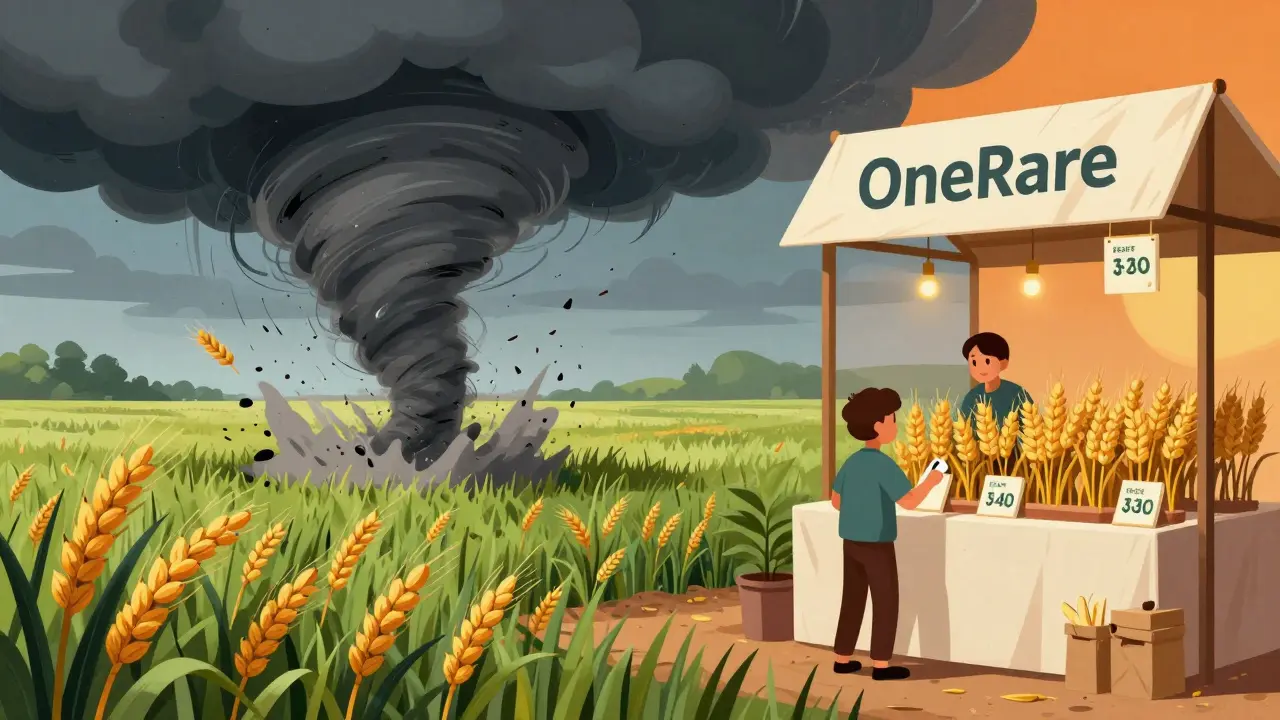
OneRare introduces a layer of complexity rarely seen in other GameFi projects: real-world agricultural challenges. The Farm is not immune to disasters. Droughts, excessive rains, tornadoes, global warming effects, and pest attacks can occur suddenly.
When these events happen, they disrupt the supply chain. For example, a drought might stop the emission of Water-dependent crops like Rice or Wheat NFTs for a specific duration. During this time, the scarcity increases, which typically drives up the price of those ingredients in the Farmer's Market. This mechanic creates a dynamic economy where holding certain rare ingredients during a crisis can be more profitable than actively farming them.
From Ingredients to Dishes: Burning Mechanics
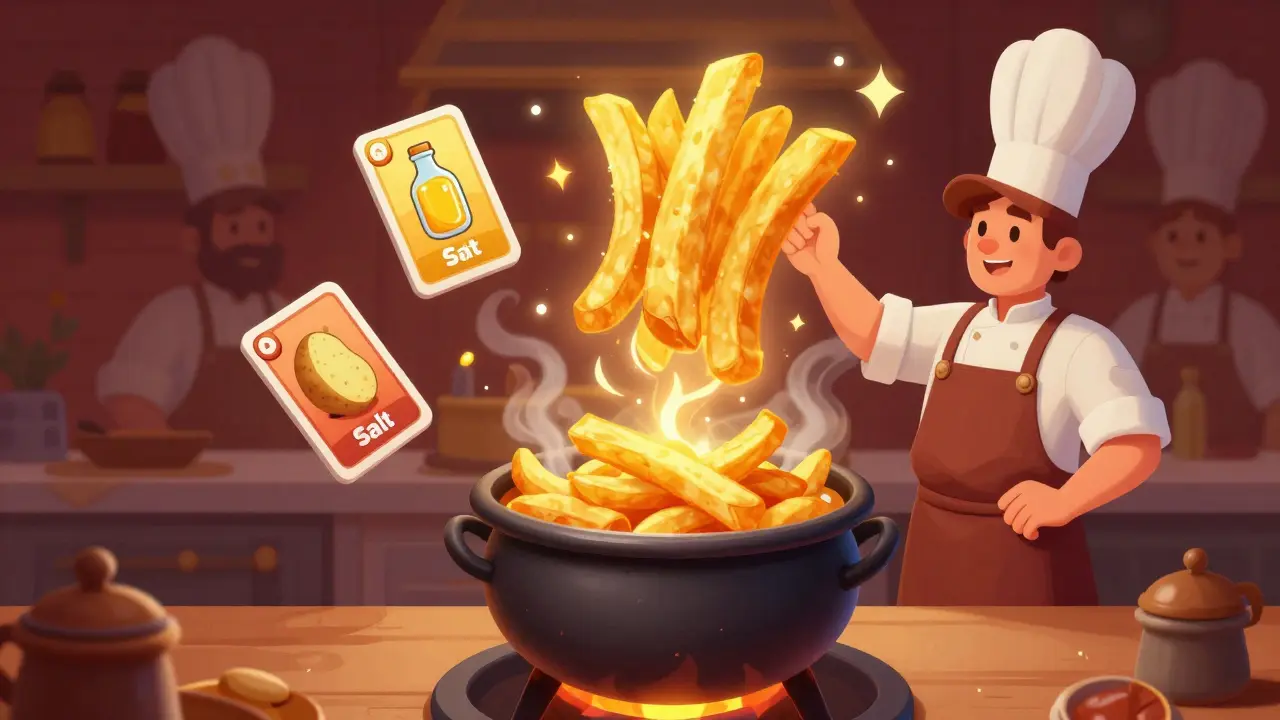
You don't keep Ingredient NFTs forever. Their primary purpose is consumption in the Kitchen Area. To create a valuable Dish NFT, such as French Fries, you need specific components: Oil, Salt, and Potato NFTs.
Once you combine these in the Kitchen, the original Ingredient NFTs are burned. They are destroyed permanently and cannot be reclaimed. This deflationary mechanism helps maintain the value of the remaining ingredients. If everyone tries to make French Fries simultaneously, the demand for Potato NFTs spikes, making your staked rewards potentially more valuable if you hold onto them until the cooking frenzy passes.
Strategic Partnerships and Premium Ingredients
While basic ingredients come from farming, OneRare has secured partnerships with celebrity chefs like Saransh Goila, Zorawar Kalra, and Michelin-starred Anthony Sarpong. These collaborations often result in special, premium Dish NFTs.
These premium recipes may require rarer ingredients that cannot be farmed in the standard pools. Instead, these must be purchased from the Farmer's Market or won in the Playground. This tiered system ensures that casual players can enjoy the basic gameplay while competitive users have deeper layers of strategy involving market speculation and high-stakes mini-games.
Why Polygon Matters for Your Wallet
Using the Polygon blockchain is a strategic choice for OneRare. Ethereum mainnet fees can eat into profits for small-scale farmers. By operating on Polygon, transaction costs remain negligible. This allows for the hourly emission of ingredients without charging users exorbitant gas fees every time they receive a reward. It also means faster processing times, so you can trade, cook, and play almost instantly.
Common Mistakes to Avoid
- Ignoring Market Trends: Don't just farm and forget. Check the Farmer's Market prices. If Onion NFTs are flooding the market due to a lack of environmental events, their price may drop. Consider selling before the crash.
- Burning Too Early: Hoarding ingredients can sometimes yield better returns than immediately cooking them, especially if a recipe becomes popular among other players.
- Underestimating Gas Fees: Even on Polygon, fees exist. Ensure you have a small amount of MATIC in your wallet to cover transaction costs when claiming rewards or trading.
Conclusion
There is no magic button for a OneRare Ingredient NFT airdrop. The value lies in participation. By staking ORARE, managing risk during environmental events, and strategically timing your cooking and sales, you can build a profitable portfolio within the Foodverse. Treat it like a real farm: plant wisely, watch the weather, and sell when the harvest is high.
Is there a direct airdrop for OneRare Ingredient NFTs?
No, there is no traditional airdrop where you simply claim free NFTs. Ingredient NFTs are earned passively by staking ORARE tokens in the designated farming pools. The distribution is automated and occurs hourly based on your stake size.
Can I choose which ingredient NFT I receive?
You cannot select specific ingredients. Each farming pool emits a randomized list of ingredients. This randomness is designed to simulate real-world agricultural unpredictability and maintain market balance.
What happens to my Ingredient NFTs after I cook a dish?
The Ingredient NFTs are burned (destroyed) permanently when used in the Kitchen to mint a Dish NFT. This reduces the total supply of ingredients, which can help support their value over time.
How do environmental events affect my earnings?
Events like droughts or pests can temporarily stop the emission of certain ingredients. This creates scarcity, often driving up the market price of those affected ingredients in the Farmer's Market.
Which blockchain does OneRare use?
OneRare operates on the Polygon blockchain. This choice ensures low transaction fees and fast processing speeds, making it cost-effective for users to farm, trade, and cook frequently.

People Comments
It is fundamentally important to understand that the concept of a 'free' airdrop in this specific context is largely a misnomer designed to attract retail investors who do not grasp the underlying mechanics of the OneRare ecosystem. The platform does not operate on a simple distribution model where tokens are handed out without consideration; rather, it employs a sophisticated staking mechanism that requires users to lock up their ORARE tokens in designated farming pools. This process is akin to traditional agriculture, where one must invest labor and resources before reaping any harvest, and the randomness of the ingredient emissions serves to mimic the unpredictability of real-world crop yields. Furthermore, the integration of environmental events such as droughts or pest attacks introduces a layer of market volatility that can significantly impact the value of these NFTs, thereby requiring participants to possess a certain degree of strategic foresight and risk management skills. The burning mechanic associated with cooking Dish NFTs further complicates the economic model by creating a deflationary pressure on the supply of Ingredient NFTs, which can lead to price spikes if demand for specific recipes increases suddenly. It is also worth noting that the use of the Polygon blockchain is a deliberate choice to mitigate the high transaction costs associated with Ethereum, allowing for more frequent micro-transactions and hourly reward distributions without prohibitive gas fees. However, one must remain vigilant regarding the potential for market manipulation or sudden shifts in player behavior that could render certain ingredients obsolete or devalued overnight. The partnerships with celebrity chefs add a speculative element to the premium tier of the game, but these assets are generally inaccessible to the average user unless they are willing to engage in high-stakes trading or competitive mini-games. Ultimately, success in the Foodverse depends less on passive waiting for an airdrop and more on active participation, continuous monitoring of market trends, and the ability to adapt to the dynamic nature of the in-game economy.
I really appreciate how detailed this guide is! It helps clear up so much confusion about how the system actually works. I was worried I might miss out on something because there wasn't a simple button to click. But now I see that staking is the way to go. It feels safer knowing that there's a structured process rather than just random luck. I think I'll start small and see how the emissions work for me. Thanks for sharing this information!
The entire premise of 'earning' through staking is a thinly veiled pyramid scheme disguised as gaming. You are essentially locking up your capital to generate assets that have no intrinsic value outside of this closed loop. The so-called 'randomness' is just a mechanism to control supply and create artificial scarcity, ensuring that only those with the most capital can afford to speculate on rare ingredients. It is pathetic that people fall for this 'play-to-earn' narrative when in reality, they are paying to play with digital trinkets that will likely be worthless once the hype dies down. The environmental events are merely programmed chaos to keep users engaged and anxious, forcing them to trade frequently and pay gas fees. Do not be fooled by the glossy interface and celebrity endorsements; this is a classic pump-and-dump structure wrapped in metaverse jargon.
i mean its kinda sus how they say no airdrops but then u have to buy tokens to get stuff. feels like a scam tbh. why cant they just give us freebies like other projects? its all about greed imo. ppl need to wake up and stop falling for these crypto traps. its not fair to new players who dont have money to stake. its just rich people getting richer while we watch from the sidelines. total rip off.
I know it sounds complicated at first, but I think it's actually quite exciting once you get the hang of it! The idea of managing a virtual farm and dealing with weather events is pretty unique compared to other games I've tried. I'm a bit nervous about losing my staked tokens though, so I'll probably start with a very small amount. Has anyone else had bad luck with the random ingredients? I hope I don't end up with too many onions! 😅
This is a well-researched overview of the OneRare ecosystem. The distinction between passive staking and active gameplay is crucial for understanding the resource allocation required. While the initial investment barrier may deter some casual users, the low gas fees on Polygon do make the micro-transaction aspect viable. It would be beneficial for newcomers to monitor the Farmer's Market prices closely before committing significant capital to staking.
The tokenomic structure relies heavily on the velocity of the ORARE token within the staking pools. By introducing randomized emission rates and external shock variables (environmental events), the protocol attempts to simulate a zero-sum game environment where alpha is generated through information asymmetry and timing. The burn mechanism upon minting Dish NFTs creates a deflationary pressure on the Ingredient NFT supply, theoretically increasing the floor price of remaining assets. However, this model is highly susceptible to liquidity crunches if user engagement drops, leading to a death spiral where staking rewards become insufficient to offset opportunity costs. Participants must analyze the on-chain data for pool utilization rates and historical emission patterns to optimize their yield farming strategies effectively.
Hey guys, I've been playing around with this for a bit. It's fun but definitely takes time. I found that checking the market prices before I decide to cook anything saves me a lot of headaches. If you have extra ingredients, sometimes selling them is better than burning them right away. Just my two cents!
Oh, look at everyone acting like they're financial geniuses analyzing the 'tokenomics' 🙄. It's a video game, people! A silly little food-themed video game! Who cares if it's a 'pyramid scheme'? As long as I get to collect cute tomato NFTs and pretend I'm a chef, I'm happy! 🍅👨🍳 Stop being so serious and enjoy the ride! Or don't, I guess. Your loss if you miss out on the fun! 😜💸
I find the philosophical implication of 'digital farming' fascinating. In a way, it mirrors our relationship with nature in the physical world-uncertainty, effort, and reward. But unlike real farming, the risks here are purely algorithmic. Does this detachment from physical consequence change the value of the labor involved? I wonder if players feel a genuine sense of accomplishment when they finally gather the right ingredients for a premium dish, or if it's just another dopamine hit from a screen. It raises questions about what we consider 'work' in the metaverse era.
you think this is deep philosophy? nah. its just capitalism with extra steps. the 'value' is whatever someone else decides to pay for it. typical contrarian take but i stand by it. most of you are just chasing trends without thinking. boring.
Let's be honest, most of these crypto projects are scams run by foreign entities trying to drain American wallets. We should be focusing on building real infrastructure here at home, not playing with digital potatoes on the internet. The US government needs to step in and regulate this nonsense before it destroys more families' savings. It's pathetic that we allow these unregulated markets to flourish while our own economy struggles. Support local businesses, not these fake online farms.
Aww, don't be so hard on each other! 😊 I think it's great that people are finding creative ways to engage with technology. Even if it's just a game, it brings people together. I'm excited to try staking soon! Maybe we can help each other out if we get stuck. Sending good vibes to everyone here! ✨🌱
so basically u gotta pay to play and hope u dont lose ur shirt. its like gambling but with more steps. why complicate things? just give me the nfts already. im tired of reading all this bs about staking and burning. its too much work for a toy.
Stop wasting time. Read the whitepaper. Understand the mechanics. If you can't handle the complexity, stay out. The market doesn't care about your feelings. Only the prepared survive.