

Ever felt locked out of the biggest money-making opportunities in crypto just because your favorite coin lives on a different blockchain? You hold Astar Network's native asset, but you want to farm yields on Ethereum's massive DeFi platforms. That friction is exactly what Wrapped Astar (WASTR) solves. It’s not a new coin with its own wild price swings; it’s a digital receipt that lets you use ASTR where ASTR can’t natively go.
If you’re wondering whether WASTR is worth the hassle of bridging, or if you’re confused about how it differs from regular ASTR, this guide breaks it down without the academic jargon. We’ll look at how it works, why people use it, and the real risks involved as of late 2023 and early 2024 trends.
The Core Concept: What Actually Is WASTR?
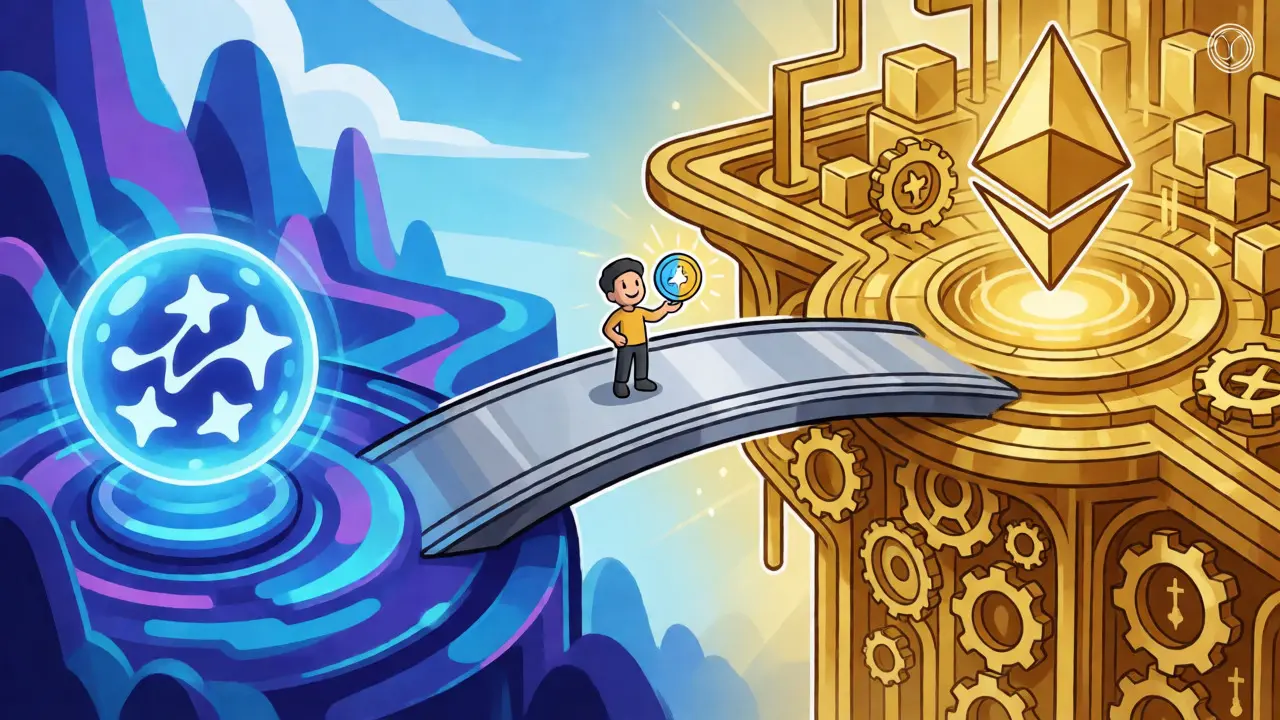
Think of WASTR as a passport for your ASTR tokens. Native ASTR lives on the Polkadot ecosystem, specifically on the Astar parachain. Ethereum, however, runs on its own distinct architecture. They don’t speak the same language directly. To let them interact, developers created a "wrapper." When you wrap ASTR, you lock your original tokens in a vault on Polkadot. In return, the system mints an equal amount of WASTR on Ethereum. This makes WASTR an ERC-20 token, meaning it behaves exactly like any other standard Ethereum token.
This 1:1 peg is critical. One WASTR should always be worth one ASTR. If you see a significant deviation, something is wrong with the bridge mechanism. Unlike stablecoins that try to mimic fiat currency, WASTR mirrors the volatility of ASTR itself. If ASTR goes up 10%, WASTR goes up 10%. The value isn't fixed; only the ratio is.
Why Bother Wrapping? The DeFi Advantage
You might ask, "Why not just keep my ASTR on Polkadot?" The answer lies in liquidity and yield. Ethereum still dominates the Decentralized Finance (DeFi) landscape. While Polkadot has grown, Ethereum processes billions in daily transactions and hosts the deepest liquidity pools on platforms like Uniswap and Aave.
By holding WASTR, you gain access to:
- Yield Farming: Users have reported APYs ranging from 4.7% to 8.2% by providing liquidity on Ethereum-based DEXs.
- Lending Markets: Platforms like Aave allow you to lend WASTR to earn interest or borrow against it.
- Composability: You can combine WASTR with other popular Ethereum assets in complex financial strategies that aren't yet available natively on Polkadot.
For example, a user named 'YieldFarmer88' documented earning 14.3% annualized returns by strategically moving between staking ASTR on Polkadot (12.1% APY) and providing liquidity for WASTR on Ethereum. This arbitrage between two ecosystems is the primary driver for WASTR adoption.
How the Bridge Works: Technical Mechanics
The magic happens through a cross-chain bridge protocol. It’s not just sending money via email; it’s a smart contract interaction. Here is the step-by-step process you’d follow to get WASTR:
- Connect Wallets: You need a wallet that supports both chains, typically MetaMask for Ethereum and Polkadot.js for Astar.
- Deposit ASTR: Send your native ASTR to the official bridge contract address on Polkadot.
- Confirmation: Wait for network confirmations. On Polkadot, this takes roughly 12 blocks, or about 24 seconds.
- Minting: The bridge detects the deposit and mints the equivalent WASTR on Ethereum.
- Receipt: WASTR appears in your Ethereum wallet, ready for use.
Unwrapping is the reverse. You burn the WASTR on Ethereum, and the bridge releases your original ASTR back to your Polkadot wallet. Note that every step incurs gas fees. During off-peak hours, Ethereum gas fees averaged $1.20-$3.50 in late 2023, though this fluctuates wildly based on network congestion.
WASTR vs. Other Wrapped Tokens
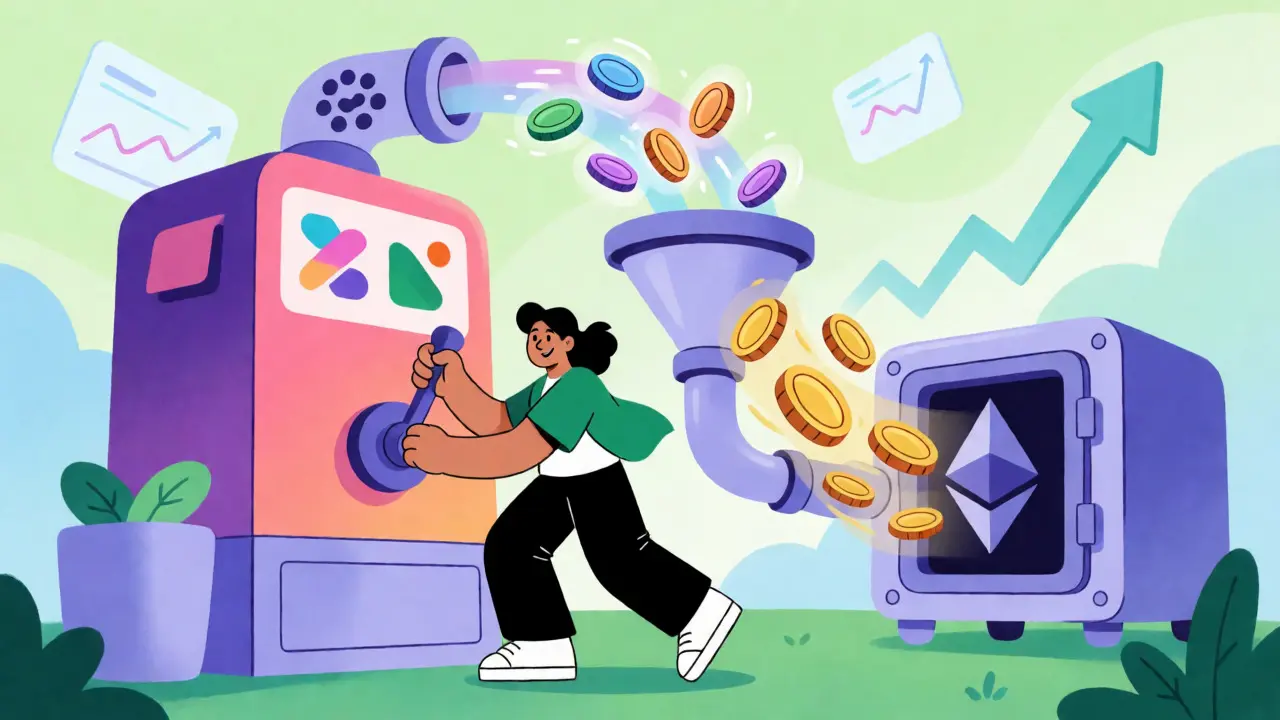
Not all wrapped tokens are created equal. Let’s compare WASTR to its most famous peers to understand its niche.
| Feature | WASTR | WBTC (Wrapped Bitcoin) | WETH (Wrapped Ether) |
|---|---|---|---|
| Underlying Asset | ASTR (Polkadot) | BTC (Bitcoin) | ETH (Ethereum) |
| Custody Model | Proprietary Bridge (Centralized) | Consortium (BitGo + Merchants) | Smart Contract (Decentralized) |
| Primary Use Case | Access ETH DeFi from Polkadot | Use BTC in ETH DeFi | Standardize ETH for DeFi |
| Market Cap (Oct 2023) | ~$38.7 Million | ~$11.3 Billion | Multi-Billion |
| Transaction Speed | Fast (Sub-second finality on source) | Slow (Bitcoin block time) | Instant (On-chain swap) |
The key difference here is decentralization. WBTC uses a consortium of custodians, which adds trust layers but also centralization risks. WASTR relies on Astar’s proprietary bridge technology. This means fewer intermediaries than WBTC, potentially faster speeds (Astar claims 37% faster processing), but also a higher reliance on the security of the specific bridge code rather than a broad institutional network.
Risks and Limitations You Can’t Ignore
No tool is perfect, and WASTR has specific vulnerabilities you must watch.
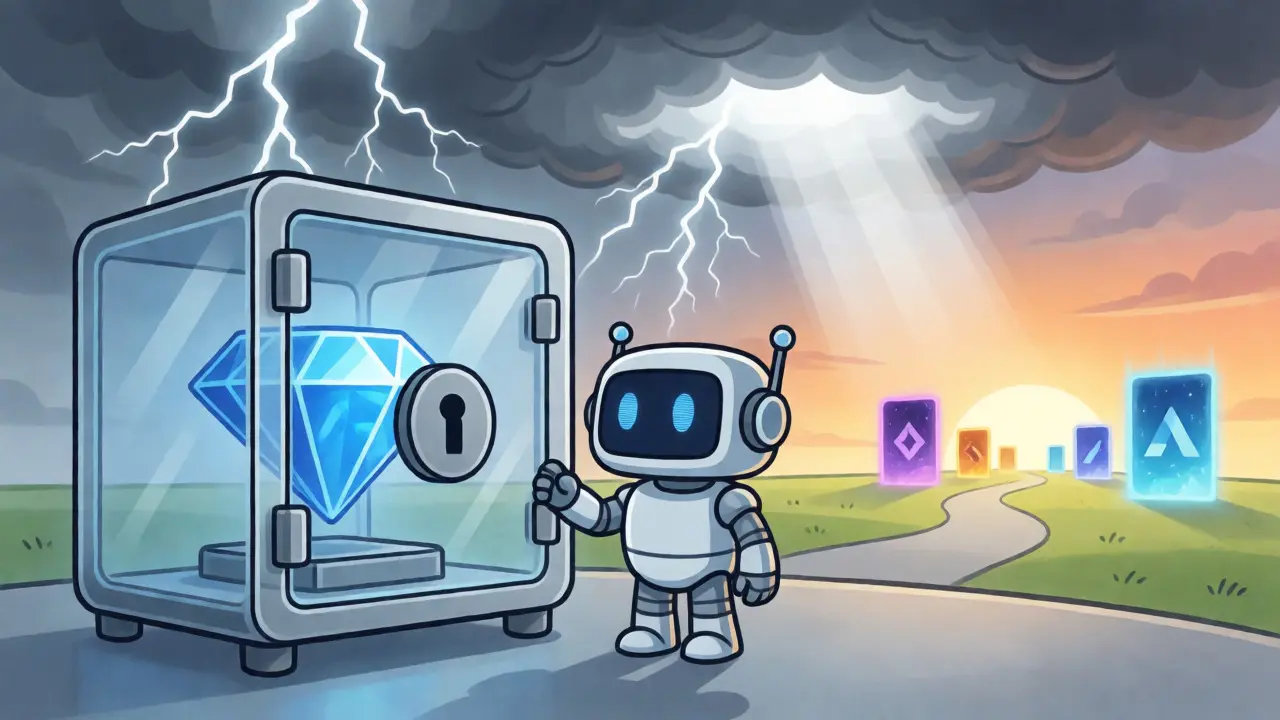
Bridge Security: Cross-chain bridges are notorious hack targets. Trail of Bits noted in October 2023 that the current implementation lacked sufficient multi-signature safeguards compared to institutional-grade models like WBTC. This creates a theoretical risk of custodial failure. If the bridge is hacked, your WASTR could lose its backing.
Liquidity Constraints: With a market cap around $38.7 million (as of late 2023), WASTR is tiny compared to WBTC. Low liquidity means large trades can cause slippage-where you get less value than expected because there aren’t enough buyers/sellers at the quoted price.
Regulatory Uncertainty: The SEC has hinted that wrapped tokens involving centralized custody could be classified as securities. Since WASTR involves a custodial mechanism, US users should stay alert to potential regulatory shifts that might affect availability.
User Experience Friction: Bridges aren’t always smooth. Reddit users have reported timeouts requiring manual support tickets that took days to resolve. Always test with a small amount first before moving large sums.
Who Should Use WASTR?
WASTR isn’t for everyone. It’s best suited for:
- DeFi Power Users: Those who actively manage positions across multiple chains and seek higher yields than Polkadot-native options offer.
- Polkadot Holders: Investors who believe in Astar’s long-term value but want short-term exposure to Ethereum’s liquidity.
- Arbitrageurs: Traders looking to exploit price differences between ASTR on Polkadot exchanges and WASTR on Ethereum DEXs.
If you’re a passive holder who buys and holds ASTR for years, the gas fees and complexity of wrapping might eat into your gains. But if you’re active in DeFi, WASTR opens doors that were previously closed.
Future Outlook: WASTR 2.0 and Beyond
The Astar team hasn’t rested on their laurels. Recent developments include integration with Chainlink’s CCIP protocol, which aims to reduce cross-chain transaction times by over 40%. Furthermore, the roadmap includes "WASTR 2.0," scheduled for release in Q1 2024, which will extend multi-chain support beyond Ethereum to include BNB Chain and Avalanche.
Industry analysts predict that Polkadot-Ethereum wrapped tokens could capture 8-12% of the cross-chain asset market by 2025. However, the rise of native interoperability protocols (like LayerZero or Wormhole) poses a long-term threat. If blockchains can talk to each other directly without wrappers, the need for tokens like WASTR might diminish. For now, though, WASTR remains a vital tool for connecting these two major ecosystems.
Is WASTR the same as ASTR?
No, they are not the same token technically, though they share the same value. ASTR is the native cryptocurrency of the Astar Network (Polkadot ecosystem). WASTR is an ERC-20 token on Ethereum that represents ASTR. You cannot send ASTR directly to an Ethereum address; you must convert it to WASTR first.
How do I unwrap WASTR back to ASTR?
You use the official Astar bridge portal. Connect your Ethereum wallet, select the "Unwrap" option, approve the transaction to burn your WASTR, and wait for the confirmation. Your original ASTR will be released to your Polkadot wallet. Be aware that this process requires paying Ethereum gas fees to initiate the burn.
Is WASTR safe to use?
It is generally considered safe for moderate amounts, backed by audits from firms like CertiK. However, all cross-chain bridges carry inherent risks, including smart contract bugs or custodial failures. It has maintained a high peg stability rate (99.98%), but users should remain cautious during periods of extreme network congestion or known bridge downtime.
Can I buy WASTR directly on an exchange?
Yes, WASTR is listed on several decentralized exchanges (DEXs) on Ethereum, such as Uniswap. Some centralized exchanges may also list it, but liquidity is often deeper on DEXs. You can swap ETH or USDC for WASTR directly, provided you pay the necessary gas fees.
Why is the supply of WASTR limited?
The supply of WASTR is dynamic and strictly tied to the amount of ASTR currently locked in the bridge. If more people wrap ASTR, more WASTR is minted. If people unwrap, WASTR is burned. There is no fixed maximum supply independent of the underlying ASTR holdings in the bridge contract.
- Poplular Tags
- Wrapped Astar
- WASTR
- Astar Network
- Polkadot bridge
- ERC-20 token