


It is May 2026, and the crypto community is buzzing with speculation about every new token launch. If you have been searching for specific details on the Showcase project and its native token, SHO, you might have hit a wall of silence or conflicting rumors. The hard truth? There is currently no verified, official information regarding a public SHO airdrop from Showcase.
This lack of clarity is not unusual in the current market cycle. Many projects announce teasers without concrete dates, leading to a frenzy of misinformation. However, this does not mean you should ignore the opportunity entirely. Instead, it means you need to shift your strategy from "waiting for instructions" to "preparing for potential eligibility." This guide will help you navigate the uncertainty, understand what Showcase likely is, and set up your digital wallet so you are ready if an airdrop drops unexpectedly.
Understanding the Showcase Project and SHO Token
To participate safely, you first need to understand what you are dealing with. In the absence of official documentation, we must look at the context. "Showcase" generally refers to platforms focused on digital asset discovery, NFT curation, or decentralized social interactions. The SHO token would typically serve as the governance or utility layer for such a platform.
An airdrop is a marketing strategy where a blockchain project distributes free tokens to wallet addresses to build community awareness and decentralize token ownership. For a project like Showcase, an airdrop would likely reward early adopters who engaged with their testnet, joined their Discord, or held specific NFTs associated with the brand.
Because specific details are missing, we must treat any source claiming to have the "exact date" or "private keys" as highly suspicious. Legitimate projects like Solana or Ethereum ecosystem upgrades always publish technical whitepapers and clear timelines. If Showcase has not done this yet, they are likely still in the private allocation phase.
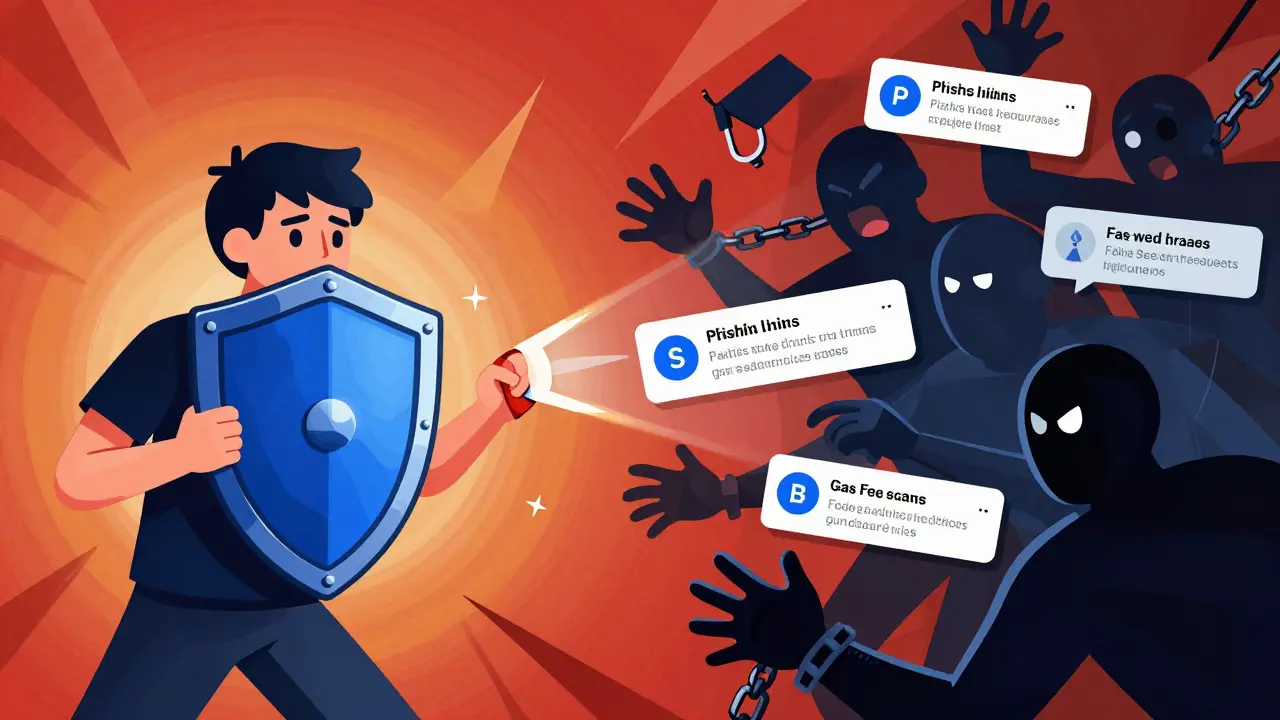
The Danger Zone: Identifying SHO Airdrop Scams
When official information is scarce, scammers fill the void. This is the most critical part of your preparation. You need to know how to spot a fake airdrop before it drains your wallet.
- Phishing Links: Never click links in unsolicited DMs on Telegram or Discord that claim to be "Official Showcase Claim Portals."
- Seed Phrase Requests: No legitimate airdrop will ever ask for your 12-24 word recovery phrase. If a site asks for this, close the tab immediately.
- Gas Fee Scams: Be wary of sites asking you to pay a large "verification fee" in ETH or SOL to claim free tokens. Real airdrops usually only require standard network gas fees for the transaction, not upfront payments.
- Fake Token Pairs: Check if the SHO token contract address matches any official announcements. Scammers often create fake tokens with the same ticker symbol (SHO) but different contract addresses.
In 2026, sophisticated scams use AI-generated websites that look identical to official branding. Always verify URLs against the project's verified social media handles. If the project has no verified Twitter/X account, assume the risk is extremely high.
How to Prepare Your Wallet for Potential Eligibility
Even without confirmed details, you can position yourself to be eligible if Showcase follows standard industry patterns. Most modern airdrops use snapshot mechanisms based on wallet activity. Here is how to prepare.
- Use a Dedicated Wallet: Do not use your main cold storage wallet for interacting with unverified dApps. Use a burner wallet or a hardware wallet like Ledger or Trezor connected via a secure interface like MetaMask.
- Bridge Assets Early: If Showcase is rumored to be on a specific chain (e.g., Solana, Base, or Ethereum), ensure you have some native currency (SOL, ETH) for gas fees. Interacting with the network-even just swapping small amounts-can signal activity.
- Join Official Communities: Find the official Discord or Telegram. Look for blue checkmarks. Engage in discussions, provide feedback, and complete any "Quest" tasks if they exist. Community contribution is often a key metric for airdrop allocation.
- Monitor On-Chain Data: Use tools like Dune Analytics or DeBank to track if any smart contracts related to Showcase are deploying. New contract deployments often precede token launches by weeks.
Comparison: Legitimate vs. Suspicious Airdrop Signals
| Feature | Legitimate Project | Suspicious/Scam |
|---|---|---|
| Communication Channel | Verified Twitter/Discord with long history | New accounts, anonymous admins, DM-only invites |
| Token Contract | Published on Etherscan/Solscan; verified code | Unverified code, hidden mint authority |
| Cost to Claim | Only network gas fees | Upfront payment, "security deposit," or seed phrase |
| Website URL | Matches official social links exactly | Slightly misspelled domains (e.g., show-case.io) |
| Community Engagement | Active developer updates, GitHub activity | Bot-filled chats, pressure to act quickly |
Strategic Alternatives: Other Verified Airdrops in 2026
If Showcase remains silent, do not let your capital sit idle. The 2026 landscape offers several other opportunities with clearer roadmaps. Diversifying your attention reduces risk.
Projects building on Layer 2 solutions like Arbitrum or Optimism often have ongoing incentive programs. Additionally, decentralized physical infrastructure networks (DePIN) and real-world asset (RWA) protocols have been aggressive with user acquisition strategies. Look for projects that offer "points" systems, which are often convertible to tokens later. These points systems are more transparent than blind airdrops and allow you to track your progress.
Consider exploring ecosystems like Cosmos or Polkadot, where parachain auctions and staking rewards provide predictable returns compared to the lottery-style nature of airdrops.
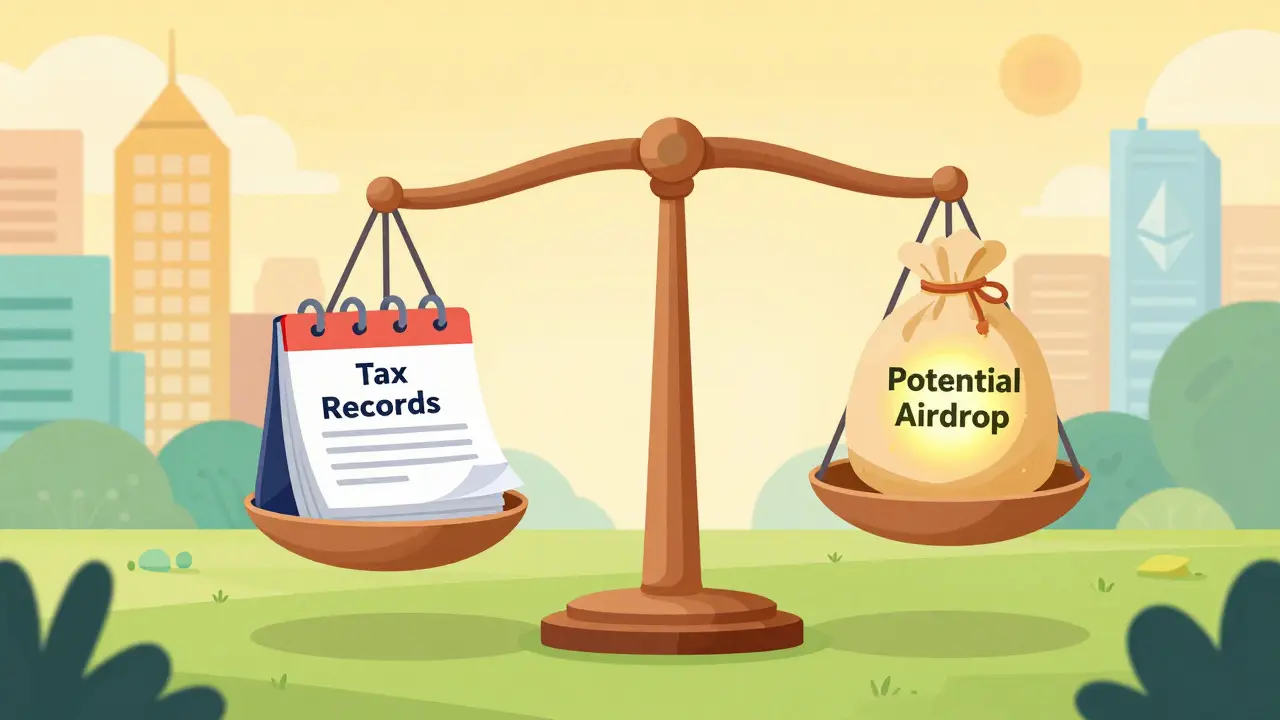
Risk Management and Tax Implications
Before you get excited about potential free tokens, consider the legal and financial implications. In many jurisdictions, including New Zealand and the US, receiving an airdrop is considered a taxable event. The fair market value of the tokens at the time of receipt is often treated as ordinary income.
Keep records of:
- The date and time you claimed the tokens.
- The exchange rate at that moment.
- Any gas fees paid during the process.
Conclusion: Patience is Your Best Strategy
The lack of specific details on the Showcase (SHO) airdrop is a feature, not a bug, of the current crypto market. It forces you to be diligent, skeptical, and prepared. By setting up secure wallets, verifying sources, and avoiding scams, you protect your principal while keeping the door open for potential rewards. Remember, if something feels too good to be true or too urgent, it probably is. Wait for official verification, engage with the community authentically, and never compromise your security for free tokens.
Is the Showcase (SHO) airdrop real?
As of May 2026, there is no officially confirmed public airdrop for the Showcase project or SHO token. Any claims stating otherwise should be treated with extreme caution until verified by official project channels.
How can I avoid SHO airdrop scams?
Never share your seed phrase, avoid clicking unsolicited DM links, and verify all URLs against the project's official social media. Legitimate airdrops do not require upfront payments or secret passwords.
What wallet should I use for potential airdrops?
Use a dedicated "burner" wallet or a hardware wallet like Ledger or Trezor. Avoid using your primary cold storage wallet for interacting with unverified dApps to minimize security risks.
Are airdrops taxable?
Yes, in many jurisdictions, receiving an airdrop is considered a taxable event. The value of the tokens at the time of receipt is often taxed as ordinary income. Keep detailed records of your transactions.
Why is there no information about Showcase?
Projects often keep details confidential until the last minute to prevent bot farming and ensure fair distribution. Lack of information may also indicate the project is still in development or has canceled the airdrop.