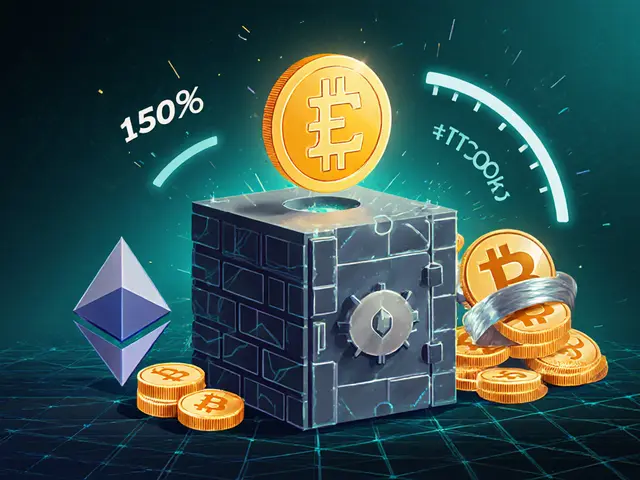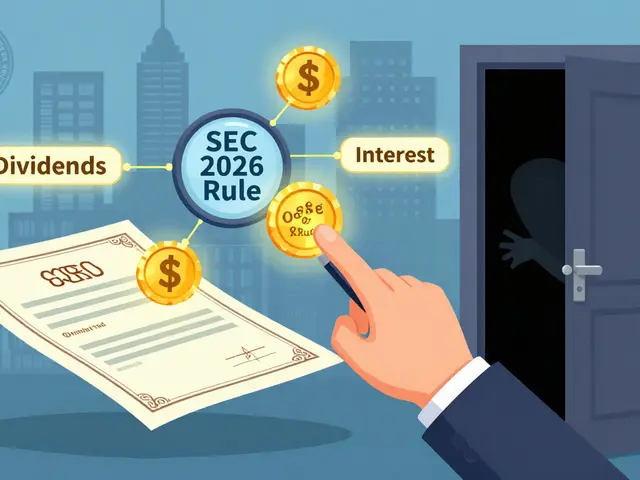


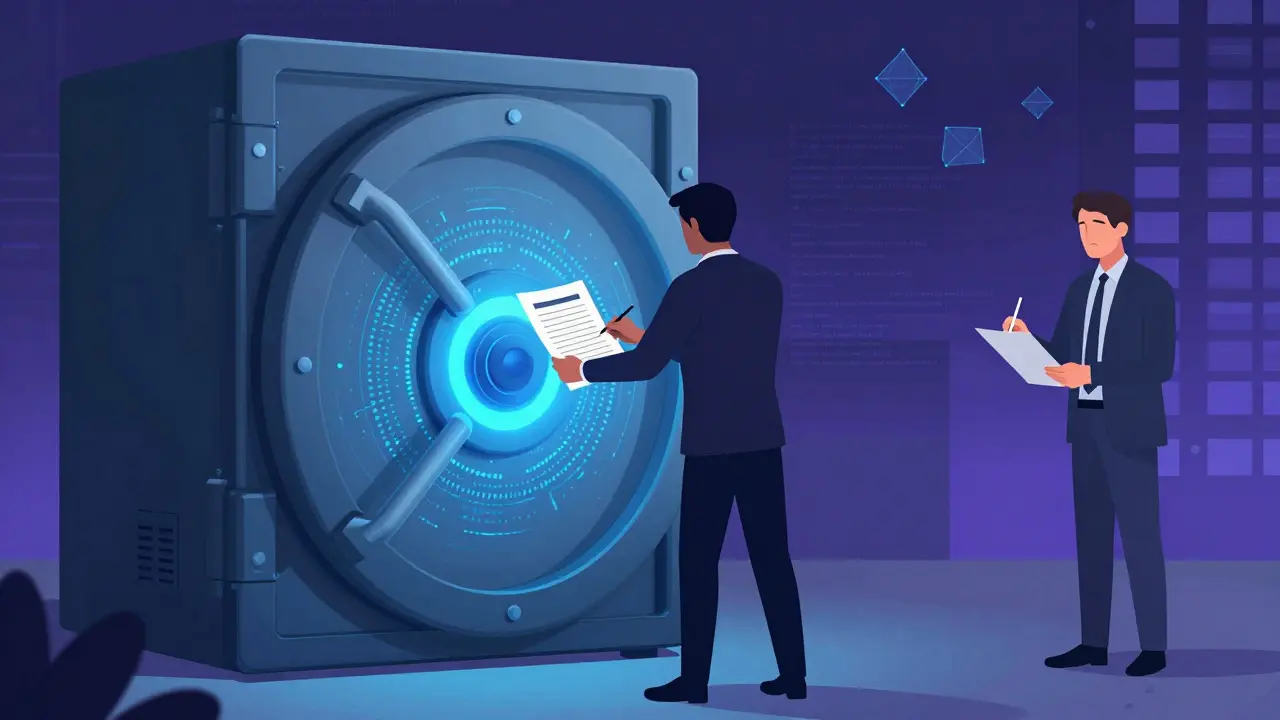
Imagine you spend years building a secure vault. You install the best locks, hire top-tier guards, and use unbreakable steel. But then, someone walks up to the manager of the building, convinces them that the vault is actually for storage, not security, and legally changes the rules so they can walk right in with a master key. That is exactly what happens in a Governance Attack, which is a method where attackers exploit the decision-making processes of a decentralized protocol rather than its code.
In the world of blockchain and decentralized finance (DeFi), we often obsess over smart contract bugs. We run audits, check for reentrancy errors, and stress-test our code. But as the industry matures into 2026, the biggest threats aren't always in the code-they are in the rules that control the code. Governance attack vectors target the human and procedural layers of a protocol. They bypass technical defenses by manipulating the very mechanisms designed to keep the system safe.
What Is a Governance Attack Vector?
To understand these attacks, you first need to grasp how decentralized protocols make decisions. Most major blockchains and DeFi platforms operate using a DAO (Decentralized Autonomous Organization), which is a digital entity where token holders vote on proposals to change the protocol's parameters or upgrade its software.. This system relies on trustless execution: if a proposal passes the voting threshold, it is automatically implemented.
A governance attack vector exploits this automation. Instead of hacking the database, an attacker influences the vote. They might buy enough tokens to sway the outcome, propose a malicious upgrade that looks benign, or manipulate the timing of a vote to catch voters off guard. The core weakness here isn't a missing semicolon in Solidity; it's a flaw in the economic or social incentives that drive the voting process.
Consider the difference between a traditional hack and a governance attack. In a traditional hack, like the Poly Network breach in 2021, the attacker found a bug in the cross-chain bridge code. In a governance attack, the attacker follows the rules perfectly but uses those rules to drain the treasury. It is legal within the protocol’s framework, yet catastrophic for the users.
The Mechanics: How Attackers Exploit Voting Systems
Governance attacks generally fall into three main categories based on how they manipulate the decision-making process. Understanding these mechanics is crucial for anyone holding governance tokens or participating in a DAO.
- Whale Accumulation: This is the most straightforward approach. An attacker quietly buys up a large percentage of a protocol’s governance tokens. Because many DAOs use a "one token, one vote" model, accumulating enough tokens gives the attacker veto power or the ability to pass malicious proposals. The danger lies in the opacity; by the time the community realizes one wallet holds 40% of the supply, the damage may already be done.
- Flash Loan Manipulation: This technique leverages the speed of DeFi. An attacker takes out a massive flash loan-borrowing millions of dollars without collateral for a single transaction-and uses those funds to buy governance tokens instantly. With this temporary majority, they vote on a proposal, execute it, and then repay the loan before the block is finalized. The attack leaves no trace of long-term ownership, making it incredibly difficult to trace back to the perpetrator.
- Proposal Spoofing and Sybil Attacks: Some systems allow multiple votes from different addresses if they hold separate tokens. An attacker creates hundreds of fake identities (Sybils) to simulate broad community support for a harmful proposal. If the voting mechanism doesn’t have robust identity verification, these bot networks can drown out genuine user voices.
These methods highlight a critical vulnerability: decentralization in name does not guarantee decentralization in practice. If wealth concentration allows a few actors to dictate outcomes, the system is effectively centralized, just with worse transparency.

Real-World Examples: Lessons from Major Breaches
Theoretical risks become clear when we look at actual incidents. Two cases stand out as defining moments for governance security in blockchain history.
The Compound Finance Hack (2022): This was a textbook example of flash loan manipulation. A hacker borrowed $9 million in ETH via a flash loan, used it to purchase approximately 58% of Compound’s COMP governance tokens, and immediately proposed a new reward program. The proposal redirected future rewards to the attacker’s own wallet. Because the proposal passed the voting threshold, the smart contract executed it. The attacker then sold the tokens to repay the loan and kept the stolen rewards. The total loss was around $80 million. The code worked perfectly; the governance process failed because it didn’t account for instantaneous wealth shifts.
The Axie Infinity Ronin Bridge Freeze (2022): While primarily a private key compromise, this incident had severe governance implications. The hackers stole keys belonging to four of the nine validators required to move funds on the Ronin sidechain. To prevent further theft, the remaining validators had to vote to freeze the bridge. This forced a centralization event where a small group made unilateral decisions affecting billions of dollars in user assets. It exposed how fragile governance can be when key management overlaps with voting rights.
| Feature | Traditional Smart Contract Hack | Governance Attack |
|---|---|---|
| Primary Target | Code logic and execution flow | Voting mechanisms and token distribution |
| Detection Method | Anomaly detection in transactions | Monitoring voting patterns and whale movements |
| Reversibility | Rarely reversible without hard fork | Sometimes reversible via emergency pause functions |
| Cost to Attacker | Low (if bug exists) | High (requires capital for tokens/loans) |
| Legal Status | Criminal activity | Often technically compliant with protocol rules |
Why Governance Attacks Are Harder to Prevent
You might wonder why we can’t just patch governance vulnerabilities like we do with code bugs. The problem is that governance is inherently political and economic, not just technical. You cannot write a simple `if` statement to stop a wealthy actor from buying tokens.
First, there is the issue of liquidity constraints. Many governance tokens are illiquid. If a whale wants to dump their tokens after an attack, they might crash the price, hurting themselves. However, sophisticated attackers plan for this exit strategy, often selling gradually over weeks. By the time the price drops, the funds are moved to stablecoins or other chains.
Second, voter apathy is a massive enabler. In most DAOs, less than 5% of token holders participate in votes. This means a small group of active participants can easily sway outcomes. If you don’t show up to vote, your stake is essentially being voted on by default by whoever bothers to participate. This low participation rate creates a wide window for opportunistic attacks.
Third, complexity hides intent. Malicious proposals are rarely labeled "Steal Treasury." They are buried in complex technical language about parameter adjustments, fee structures, or oracle updates. Without deep technical expertise, average token holders cannot discern whether a proposal is beneficial or predatory. This information asymmetry favors insiders and attackers who take the time to study the codebase.

Mitigation Strategies: Securing the Decision Layer
As we move through 2026, protocols are adopting more sophisticated defenses against governance attacks. These strategies focus on slowing down attacks, increasing the cost of entry, and improving voter awareness.
- Quadratic Voting: Instead of one token equaling one vote, quadratic voting limits the influence of whales. The cost of casting additional votes increases quadratically. This makes it exponentially more expensive for an attacker to buy enough voting power to dominate a decision, while allowing smaller holders to have a proportional voice.
- Time-Locked Execution: Protocols like MakerDAO use timelocks. Once a proposal passes, it cannot be executed for a set period (e.g., two weeks). This gives the community time to react, panic-sell, or organize a counter-proposal if something looks suspicious. It adds friction, which is essential for security.
- Token Locking Requirements: Requiring voters to lock their tokens for a specific duration prevents flash loan attacks. If you must hold the tokens for 30 days to vote, you can’t borrow them for one block and return them. This ensures that voters have long-term skin in the game.
- Delegated Staking with Reputation: Some systems allow users to delegate their voting power to trusted representatives. Over time, these delegates build a reputation score. If a delegate consistently votes for harmful proposals, their reputation drops, and others stop delegating to them. This creates a market for trustworthy leadership.
Additionally, tools like Snapshot, which is an off-chain voting platform that records votes on IPFS and Ethereum without gas fees, help reduce costs, but they also require careful integration with on-chain enforcement mechanisms to ensure votes are binding and tamper-proof.
The Future of Governance Security in 2026 and Beyond
The landscape is shifting. As AI-driven analysis becomes more common, we see automated bots monitoring governance forums and voting patterns. This helps both attackers and defenders. On one hand, attackers can use AI to identify vulnerable protocols with low voter turnout. On the other, defenders can use AI to flag anomalous voting behavior or unusual proposal text.
We are also seeing a rise in composable governance, where protocols share governance frameworks. If one protocol detects a malicious actor, that information can propagate across the ecosystem, blacklisting the attacker from voting in multiple DAOs simultaneously. This network effect raises the stakes for would-be attackers significantly.
However, the fundamental tension remains: true decentralization requires broad participation, but broad participation is slow and inefficient. Centralized governance is fast and efficient but prone to corruption. Finding the right balance is the ongoing challenge for blockchain developers and economists alike.
Can I reverse a governance attack after it happens?
In most cases, no. Once a governance proposal is executed on-chain, the transaction is immutable. Recovery usually requires a hard fork, which needs consensus from miners, validators, and the community. This process is politically difficult and can split the network. Prevention through timelocks and monitoring is far more effective than post-attack recovery.
How do I know if a DAO is vulnerable to governance attacks?
Look for three red flags: high token concentration (where one wallet holds >10% of supply), low voter turnout (<5% of total supply), and lack of timelocks on executive actions. Tools like Etherscan or Dune Analytics can help you visualize token distribution and voting history.
What is the difference between a governance attack and a rug pull?
A rug pull is typically an intentional scam by the project creators who abandon the project and steal funds, often from the start. A governance attack is usually an external actor exploiting the rules of an established, legitimate protocol. Rug pulls are fraud; governance attacks are often technically legal exploits of the system's design.
Should I delegate my voting power?
If you lack the time or expertise to review every proposal, delegation is a good option. However, research your delegate’s track record. Look for delegates who publish detailed rationales for their votes and have a history of acting in the community's interest. Avoid delegating to anonymous wallets or those with sudden spikes in voting activity.
Are flash loans still a viable method for governance attacks?
They are less viable now than in 2021-2022. Most mature protocols have implemented token locking requirements or minimum holding periods for voting eligibility. This prevents attackers from borrowing tokens for a single block. However, newer or less audited protocols may still be vulnerable, so due diligence is essential.