

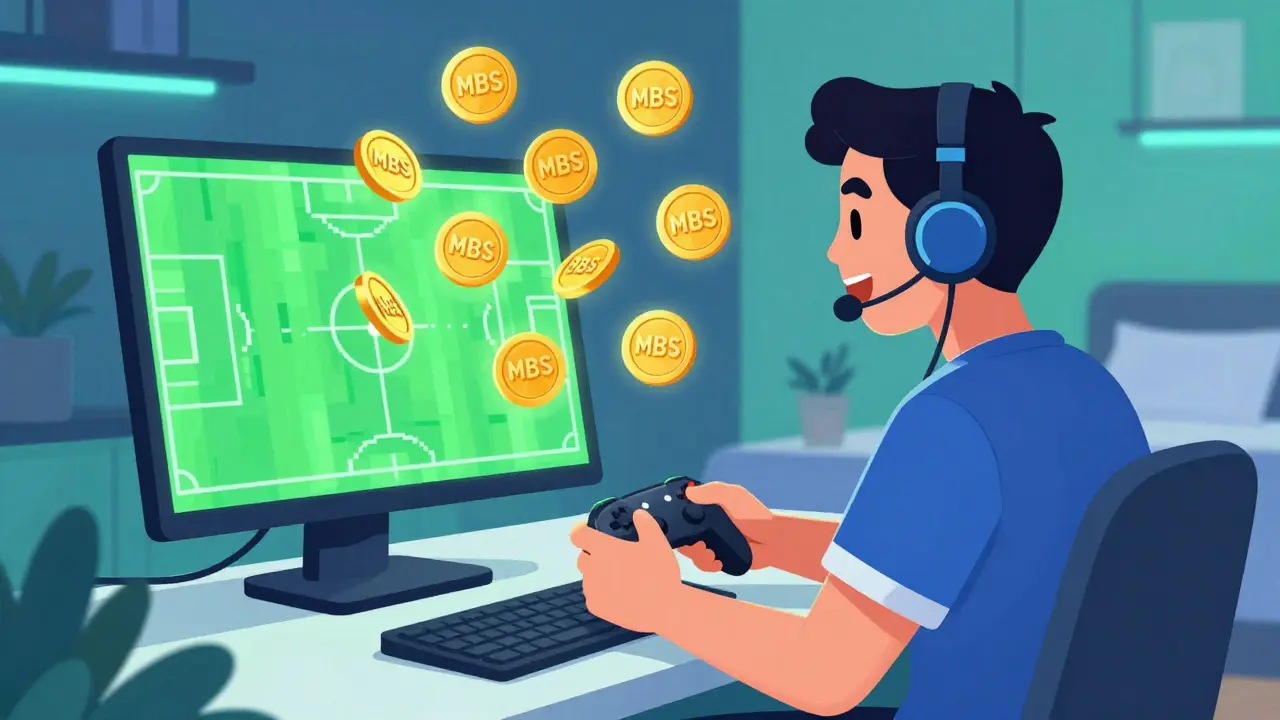
Have you ever wondered if playing soccer on your screen could actually pay you? That was the big promise of Striker League, a play-to-earn game that rebranded from UNKJD Soccer in mid-2026. At its core sits the MBS cryptocurrency token, which acts as the fuel for this digital sports ecosystem. But here is the catch: while the concept sounds exciting, the reality of trading or earning MBS right now is complicated by extremely low liquidity and confusing market data.
If you are looking at MBS because you love football games or because you saw it mentioned in a crypto newsletter, you need to understand exactly what you are getting into. This isn't Bitcoin or Ethereum. It is a niche utility token tied to a specific video game inside the LINEUP Games esports metaverse. Let's break down what MBS is, how it works, and whether it makes sense for your portfolio or your gaming habits in July 2026.
The Origin Story: From UNKJD to Striker League
To understand where MBS stands today, we have to look back at where it started. The token launched around late 2021 under the name UNKJD Soccer. Back then, the hype around blockchain gaming was at an all-time high. Projects promised players they could earn real money just by competing in virtual matches. As the market cooled off over the next few years, many of these projects struggled to keep users engaged.
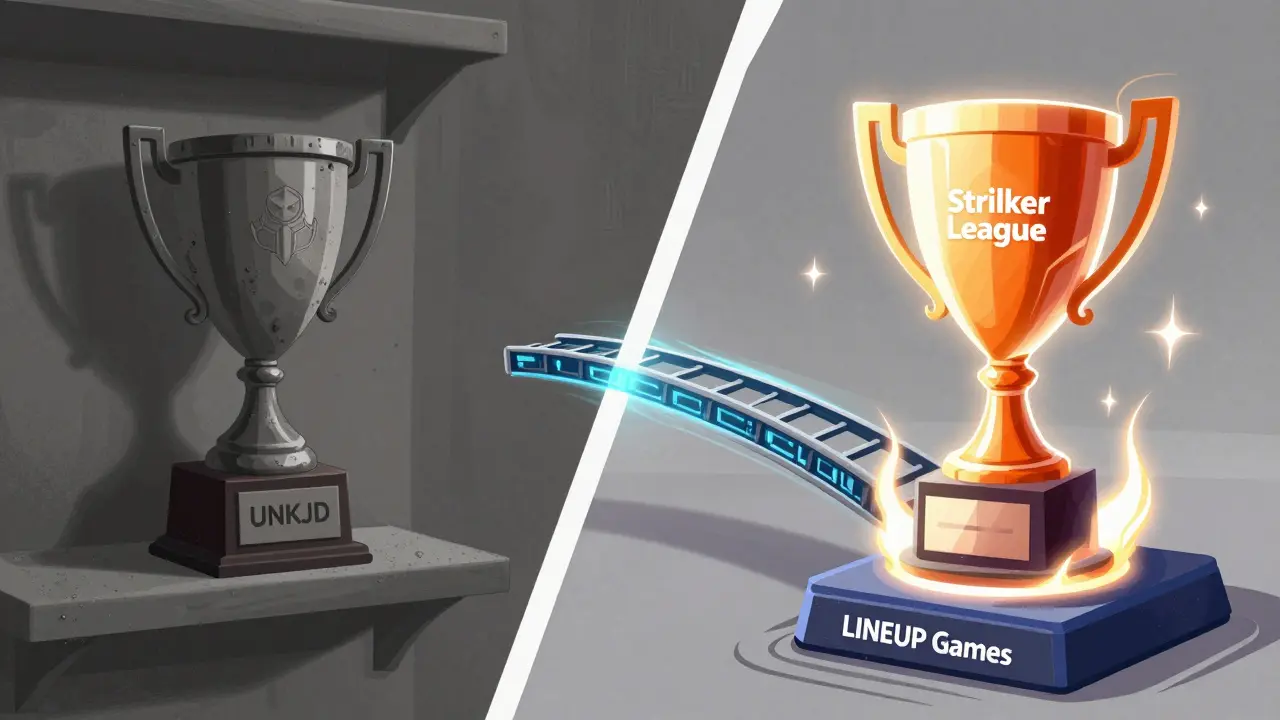
In early 2026, the team behind the project decided to refresh their brand. They dropped the "UNKJD" name and officially became Striker League. You will still see references to UNKJD on some older exchange pages or forums, but everything official now points to Striker League. The ticker symbol remained MBS. This rebranding wasn't just cosmetic; it signaled a shift toward integrating more deeply with the broader LINEUP Games platform, aiming to move beyond a single soccer title into a wider esports experience.
How Does the MBS Token Actually Work?
MBS is not a currency you use to buy coffee. It is a utility token. In the world of GameFi, utility means it has a specific job within the software ecosystem. For Striker League, that job involves three main things:
- Entry Fees: Players often need to spend MBS to enter tournaments or competitive matches.
- Rewards: Winners of these matches receive MBS as prizes.
- Ecosystem Transactions: The token facilitates trades between players, potentially including buying or selling NFT-based player cards or team assets.
The game itself is described as a turn-based multiplayer soccer title. Think of it like chess, but with football tactics. You build a team, manage stamina, and execute moves strategically. The high production value aims to make it feel less like a spreadsheet and more like a real match. However, the complexity of the strategy means there is a learning curve. It is easy to start, but hard to master consistently enough to earn significant rewards.
Tokenomics: Who Holds the Supply?
When evaluating any crypto coin, you need to know who owns the supply. If a small group holds most of the tokens, they can crash the price whenever they want. Here is the breakdown for MBS based on data from analytics platforms like CryptoRank:
| Allocation Category | Percentage | Amount (MBS) | Status (as of Mid-2026) |
|---|---|---|---|
| Players & Ecosystem | 51% | 510,000,000 | 41% Unlocked, 10% Locked |
| Team & Shareholders | 22.5% | 225,000,000 | 5.5% Unlocked, 15.5% Locked |
| Treasury | 18% | 180,000,000 | 5.5% Unlocked, 15.5% Locked |
| Community Airdrop | 12.8% | 128,000,000 | 5.5% Unlocked, 15.5% Locked |
The total maximum supply is capped at 1 billion MBS. Currently, about 625 million to 630 million tokens are circulating. That leaves roughly 370 million tokens still locked up. Why does this matter? Because those locked tokens are scheduled to unlock over time. According to vesting schedules, there are unlock events continuing through December 2026. When large amounts of tokens unlock, especially for teams or treasuries, there is often selling pressure. If demand from new players doesn't match that supply, the price drops.
Where Can You Buy or Trade MBS?
This is where things get tricky. MBS is a multi-chain asset, meaning it exists on different blockchains. Primarily, it runs on Solana, which offers fast transactions and low fees. However, bridged versions also exist on Base (an Ethereum Layer-2) and other networks.
You can find MBS on several exchanges, but the activity levels vary wildly:
- Centralized Exchanges: Gate.io and LATOKEN list MBS pairs (usually against USDT). These are easier for beginners to use since you don't need to manage private keys directly for every trade.
- Decentralized Exchanges (DEXs): On Solana, Raydium is the primary venue for the MBS/USDC pair. On Base, Uniswap V3 hosts the MBS/USDT pair.
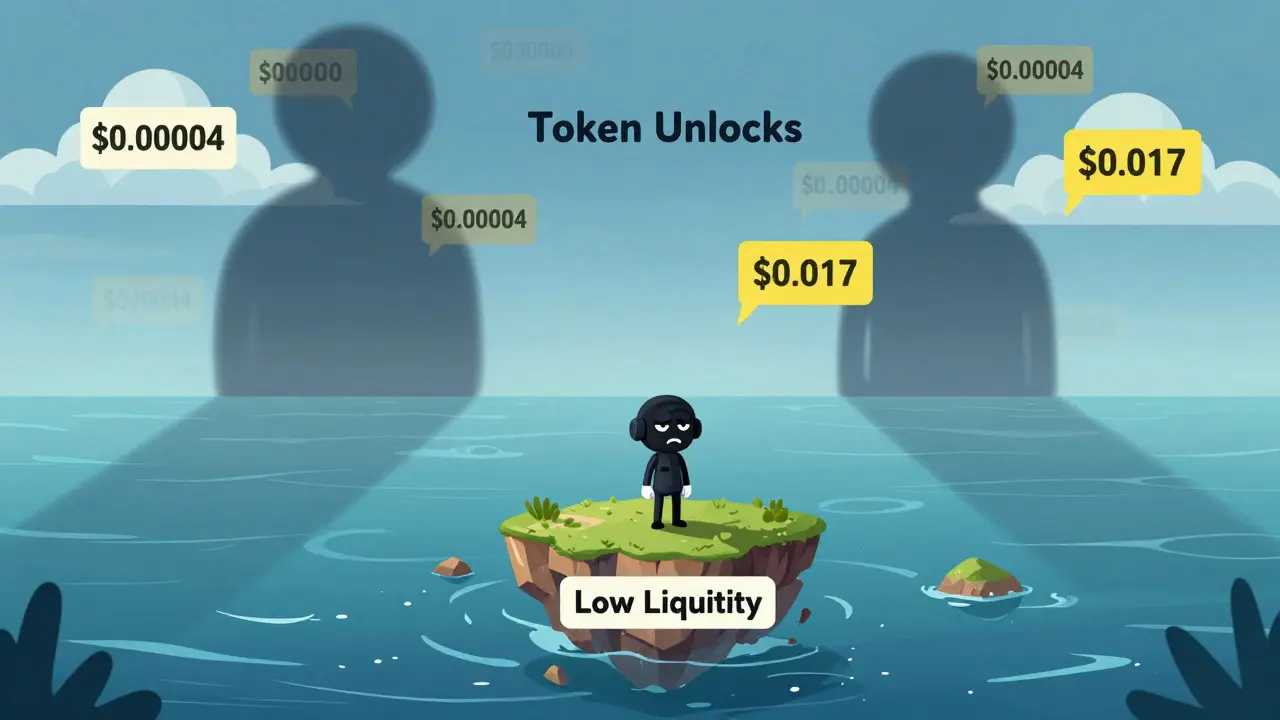
Here is the critical warning: Liquidity is extremely thin. In July 2026, daily trading volumes on some major aggregators showed figures as low as $2.57 to $3.00 USD per day. Yes, you read that right. Three dollars. This means if you try to buy even $100 worth of MBS, you might spike the price artificially. Conversely, trying to sell could crash it. This is known as slippage, and it makes trading MBS highly risky for anyone holding more than a tiny amount.
The Price Puzzle: Why Data Conflicts
If you check different websites for the price of MBS, you will see completely different numbers. One site might say it costs $0.00004, while another says $0.017. How is that possible?
It comes down to fragmented liquidity. Because MBS trades on multiple chains and smaller exchanges, each pool has its own independent price. A trade happening on Gate.io doesn't immediately affect the price on Raydium unless arbitrage bots step in-and with such low volume, those bots aren't always active. Additionally, some aggregators may be pulling stale data or mixing up the original UNKJD contract with newer wrapped versions. Always check the specific exchange you intend to use before assuming a price is accurate across the board.
Is Striker League Worth Your Time?
Let's separate the gamer from the investor. If you are a gamer who enjoys tactical soccer simulations and wants to experiment with Web3 mechanics, Striker League offers a unique experience. The integration with LINEUP Games suggests potential for future updates and community features. The barrier to entry is low, and the gameplay is genuinely engaging once you learn the ropes.
However, if you are purely an investor looking for quick gains, MBS presents significant red flags. The micro-cap status, conflicting price data, and upcoming token unlocks create a volatile environment. There is no institutional backing visible in public reports, and user reviews are scarce on mainstream platforms. Without strong organic growth in player numbers, the token lacks the fundamental demand needed to sustain higher valuations.
For now, treat MBS as a speculative hobby asset rather than a serious investment. Keep position sizes small, monitor the December 2026 unlock dates closely, and never invest money you cannot afford to lose entirely. The dream of earning crypto by playing soccer is alive, but the path to profitability is narrower than it appears.
What is the difference between UNKJD and Striker League?
They are the same project. UNKJD Soccer was the original brand name for the game and its associated MBS token. In early 2026, the developers rebranded the project to Striker League to align better with the LINEUP Games metaverse identity. The token ticker (MBS) remained unchanged.
Which blockchain does MBS run on?
MBS primarily operates on the Solana blockchain, utilizing SPL tokens for fast and cheap transactions. However, wrapped or bridged versions of the token also exist on Ethereum-compatible networks like Base, allowing trading on platforms like Uniswap.
Why is the price of MBS so different on various websites?
The discrepancy arises from extremely low liquidity and fragmented trading pools. Since MBS trades on multiple decentralized and centralized exchanges with minimal volume, prices do not synchronize quickly. Some aggregators may also display outdated data or mix different token contracts.
When are the next MBS token unlocks?
According to vesting schedules tracked by analytics firms, there are scheduled unlock events for team, treasury, and airdrop allocations continuing through December 2026. Specifically, a notable unlock date is set for December 22, 2026, which could increase circulating supply and impact price.
Can I earn MBS by playing the game?
Yes, Striker League is designed as a play-to-earn game. Players can earn MBS tokens by winning matches, completing challenges, and participating in tournaments within the LINEUP Games metaverse. However, earnings depend on skill level and current in-game economic conditions.
- Poplular Tags
- Striker League
- MBS token
- LINEUP Games
- GameFi crypto
- Solana gaming