


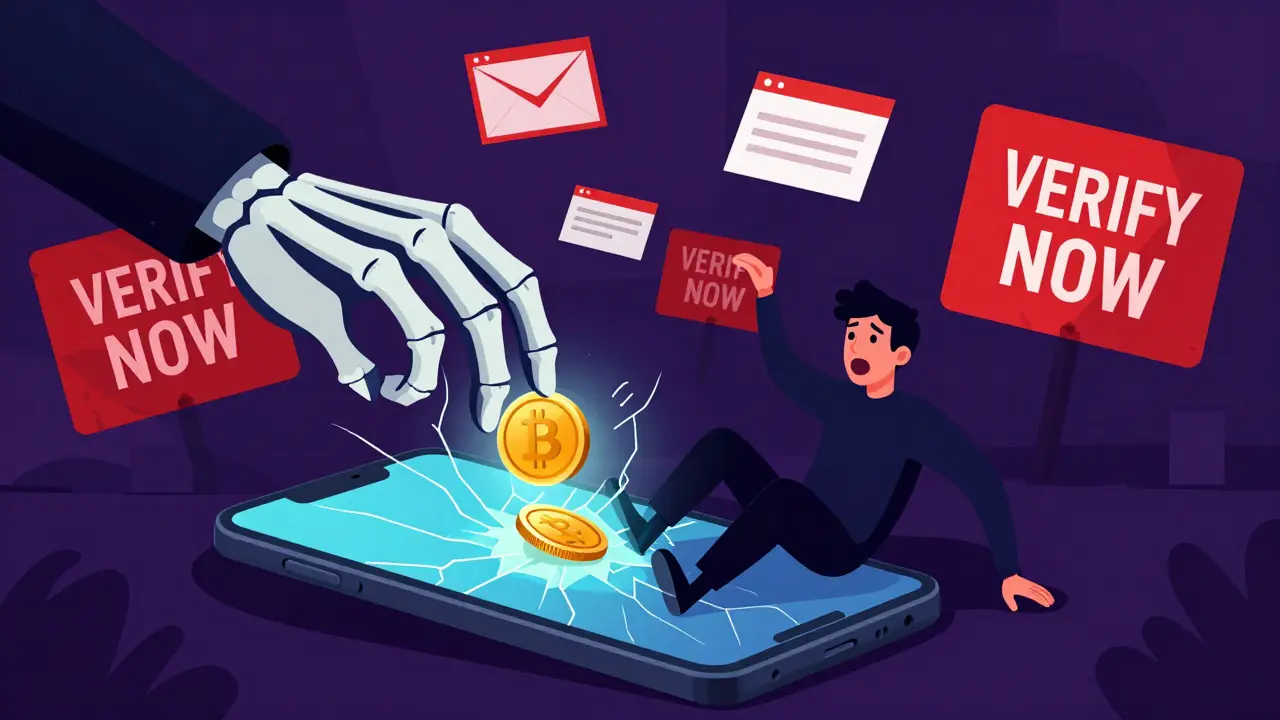
You just received an email from what looks like your favorite exchange. The subject line screams urgency: "Your account has been compromised. Verify now." You click the link, enter your seed phrase, and suddenly, your life savings vanish into the ether. This isn't a movie plot; it’s the daily reality for thousands of crypto users. In 2023 alone, the Federal Trade Commission (FTC) recorded nearly 47,000 reports of cryptocurrency fraud, with losses skyrocketing by 37% compared to the previous year. The median loss per person jumped from $400 to $550. These aren't just numbers on a spreadsheet; they represent real people who fell victim to sophisticated **crypto phishing** attacks.
The problem isn't that you're naive. It's that scammers are getting smarter, faster, and more aggressive. They don't just send spam anymore; they craft personalized narratives, spoof legitimate websites, and exploit human psychology. Education is no longer optional-it’s your primary defense mechanism. Without it, even the most secure hardware wallet can be bypassed if you hand over your keys voluntarily. This guide breaks down exactly how these attacks work, how to spot them before they strike, and the concrete steps you need to take to lock down your digital assets.
Understanding the Anatomy of a Crypto Phishing Attack
To defend against an enemy, you first need to understand their playbook. Crypto phishing is a fraudulent attempt to obtain sensitive information such as login credentials, private keys, or wallet addresses through deceptive communication channels. Unlike traditional banking fraud, where transactions can often be reversed, cryptocurrency operates on a decentralized ledger. Once those funds leave your wallet, they are gone forever. There is no customer service hotline to call and no chargeback option.
Scammers rely on three main vectors to trick you:
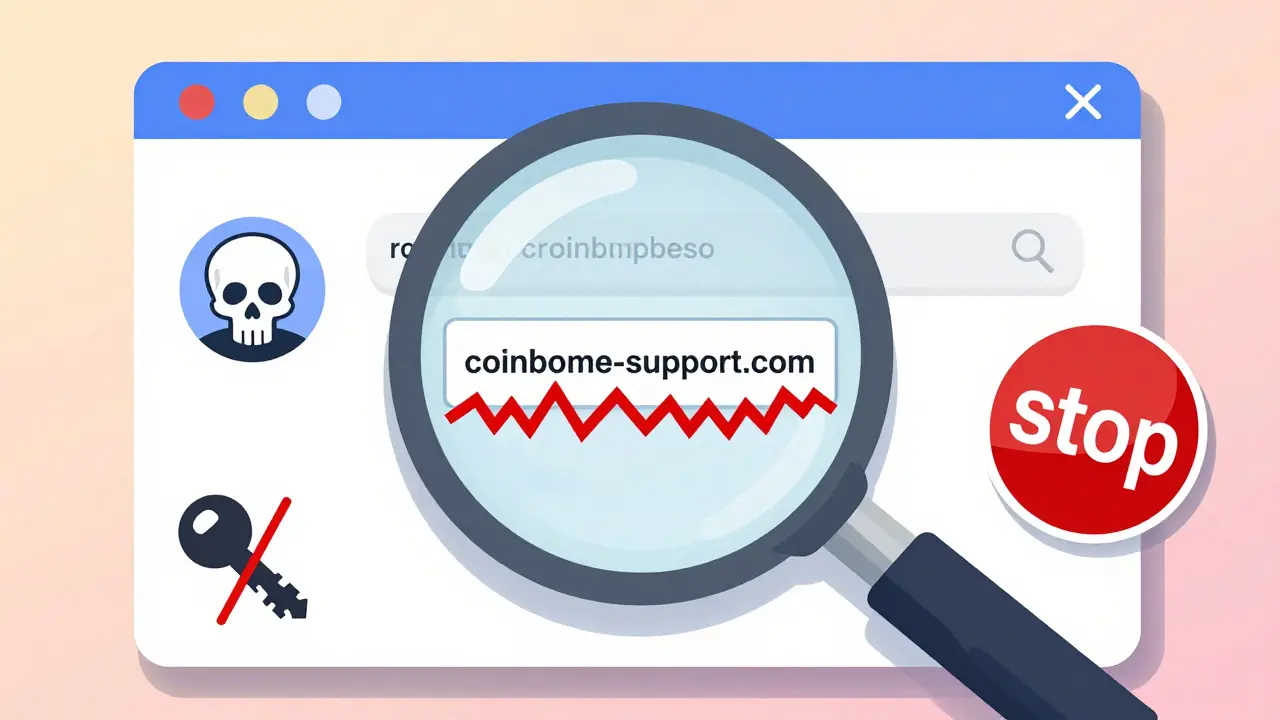
- Email Spoofing: This is the oldest trick in the book, but it remains deadly effective. Scammers forge the sender address to look like it comes from Coinbase, Binance, or MetaMask. They might use slight misspellings (e.g., "coinbase-support.com" instead of "coinbase.com") or complex display names to fool casual glances.
- Fake Websites (Typosquatting): You type in your wallet URL, but a single character is swapped. You land on a site that looks pixel-perfect identical to the real one. When you connect your wallet or enter your seed phrase, you’re feeding data directly to the attacker.
- Social Engineering & Smishing: This involves SMS messages (smishing) or direct messages on social media platforms like Discord or Telegram. A common tactic is the "tech support" scam, where someone claims they found an error in your smart contract code and asks you to run a specific script to "fix" it. That script actually drains your wallet.
According to Chainalysis’ 2023 Cryptocurrency Crime Report, 68% of crypto phishing incidents now combine multiple vectors-email spoofing mixed with social media impersonation. This multi-layered approach makes detection harder because the attack feels cohesive and urgent.
Red Flags: How to Spot a Scam Before It’s Too Late
You don’t need a degree in cybersecurity to spot a red flag. You just need to know what to look for. Here are the most common indicators that you’re being targeted:
- Urgency and Fear: Legitimate companies rarely demand immediate action via email. If a message says "Your account will be suspended in 24 hours" or "Unauthorized access detected," pause. Scammers create panic to bypass your logical thinking.
- Requests for Private Keys or Seed Phrases: This is the golden rule: No legitimate entity will ever ask for your seed phrase or private key. Not Coinbase, not MetaMask, not the IRS. If someone asks for this, block them immediately.
- Unsolicited Investment Offers: Did a stranger on Twitter DM you about a "guaranteed 10x return" on a new token? It’s a scam. The FTC noted that promises of guaranteed returns accounted for a significant portion of fraud reports.
- Generic Greetings: Professional services usually address you by name. Emails starting with "Dear User" or "Dear Customer" are often mass-produced blasts.
- Strange URLs: Hover over any link before clicking. Does the destination match the official domain? Look closely at the subdomains. "support.coinbase.com" is safe; "coinbase.support-login.net" is not.
Dr. Elena Rodriguez, a cybersecurity expert with 15 years in financial security, emphasizes that user education is essential because attackers constantly evolve their tactics. Recognizing these patterns is the first line of defense.
Building Your Personal Security Protocol
Knowledge is power, but implementation is protection. Here is a step-by-step framework to harden your defenses against phishing attempts.
1. Master Multi-Factor Authentication (MFA)
Setting up MFA is non-negotiable. However, not all MFA methods are created equal. Avoid SMS-based verification if possible, as SIM-swapping attacks can intercept those codes. Instead, use an authenticator app (like Google Authenticator or Authy) or a hardware security key (like YubiKey). Microsoft’s 2023 security report states that proper MFA reduces successful account takeovers by 99.9%. Enable this on every exchange, wallet interface, and email account associated with your crypto activities.
2. Use Dedicated Hardware Wallets
For long-term storage, move your assets off exchanges and into a Hardware Wallet is a physical device that stores private keys offline, protecting them from online hacking attempts. Devices like Ledger or Trezor keep your keys isolated from internet-connected devices. Even if your computer is infected with malware, the attacker cannot extract your keys without physically accessing the device and knowing your PIN.
3. Bookmark Official Sites
Stop typing URLs into your browser. Bookmarks are your friends. Create bookmarks for your exchange logins, wallet dashboards, and portfolio trackers. Always navigate via these trusted bookmarks. This eliminates the risk of typosquatting and ensures you’re landing on the genuine site.
4. Implement Email Filtering
Use advanced email filtering tools that analyze sender addresses and content for phishing indicators. Services like Proofpoint or built-in filters in Gmail can catch many spoofed emails before they hit your inbox. Additionally, consider using a separate email address exclusively for crypto-related communications. This isolates potential breaches and keeps your personal email clean.
5. Regular Data Backups
While backups won’t stop a phishing attack, they ensure you don’t lose access to your accounts if something goes wrong. Store encrypted backups of your wallet files and seed phrases in secure, offline locations. The FTC recommends backing up data to external hard drives or secure cloud storage with end-to-end encryption.
The Role of Institutional Education and Awareness
Individual vigilance is crucial, but broader educational initiatives are shifting the landscape. Organizations like the California Department of Financial Protection and Innovation (DFPI) have launched campaigns like "Crypto: Handle with Caution," reaching millions of consumers. Similarly, the FTC expanded its resources in early 2024 to include specific crypto examples, warning users never to pay upfront fees for jobs or investments.
For businesses handling crypto assets, education is part of compliance. Fraud.net’s 2024 report highlights that top-tier firms are integrating AI-powered phishing simulations into employee training. By exposing staff to realistic fake attacks in a safe environment, companies like Coinbase have seen a 71% improvement in detection rates. If you work in a company dealing with digital assets, insist on regular security training. It’s not just IT’s job; it’s everyone’s responsibility.
| Security Measure | Effectiveness | Implementation Difficulty | Primary Benefit |
|---|---|---|---|
| Multi-Factor Authentication (App/Key) | Very High (99.9% reduction in takeovers) | Low | Prevents unauthorized access even if password is stolen |
| Hardware Wallets | High | Medium | Keeps private keys offline, immune to remote hacks |
| Email Filtering | Medium-High | Low | Catches spoofed emails before they reach inbox |
| User Education | High (if consistent) | Medium | Empowers users to recognize social engineering |
| SMS Verification | Low-Medium | Low | Vulnerable to SIM-swapping; less secure than apps |
What to Do If You’ve Been Phished
If you suspect you’ve fallen for a scam, act immediately. Time is critical.
- Disconnect: Unplug your device from the internet to prevent further data exfiltration.
- Change Passwords: From a clean, secure device, change passwords for all affected accounts. Use unique, strong passwords for each.
- Contact Support: Reach out to the official support teams of the exchanges or wallets involved. While they may not recover lost funds, they can freeze accounts if unauthorized activity is detected.
- Report the Crime: File a report with the FTC at ReportFraud.ftc.gov. Also, notify local law enforcement. Reporting helps agencies track trends and shut down scam operations.
- Monitor Accounts: Keep a close eye on your bank statements and other linked accounts for any suspicious activity.
Remember, recovery is rare in crypto cases. Prevention is infinitely cheaper and more effective.
Future Trends in Crypto Security Education
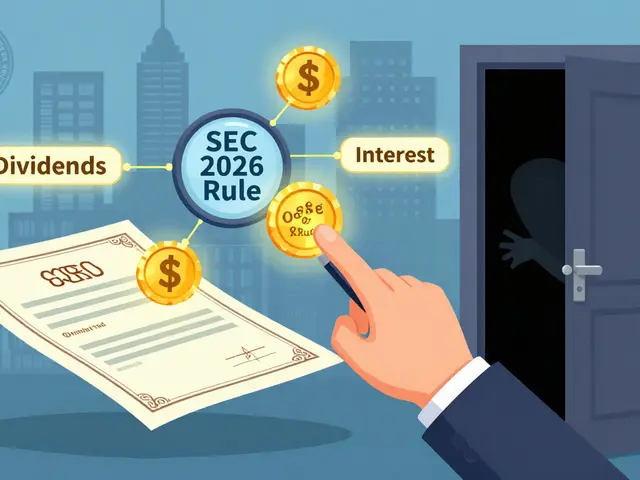
The threat landscape is evolving, and so are the defenses. By 2026, industry analysts predict that 80% of organizations with crypto exposure will implement mandatory, role-specific phishing education. We’re seeing a shift toward standardized curricula, such as those planned by the Blockchain Education Network for universities. Additionally, AI-driven simulation platforms are becoming commonplace, allowing users to practice identifying scams in real-time scenarios.
Regulatory bodies are also stepping up. The DFPI’s licensing program and CISA’s upcoming dedicated crypto security initiative signal a growing recognition that consumer protection requires proactive education. As crypto becomes more mainstream through ETFs and institutional adoption, the pressure to educate users intensifies. The goal is clear: make security hygiene as routine as locking your front door.
Can I recover my crypto if I fall for a phishing scam?
Unfortunately, in most cases, no. Cryptocurrency transactions are irreversible once confirmed on the blockchain. While you should report the crime to authorities like the FTC and contact your exchange, there is no guarantee of fund recovery. Prevention is the only reliable strategy.
Is SMS two-factor authentication safe for crypto accounts?
SMS 2FA is better than nothing, but it is vulnerable to SIM-swapping attacks where hackers transfer your phone number to their own device. For high-value crypto accounts, use an authenticator app (like Google Authenticator) or a hardware security key (like YubiKey) for significantly stronger protection.
What is a seed phrase and why must I keep it secret?
A seed phrase (or recovery phrase) is a list of 12-24 words that acts as the master key to your cryptocurrency wallet. Anyone with this phrase can access and steal your funds. Never share it online, screenshot it, or enter it into any website. Legitimate services will never ask for it.
How can I tell if an email from my exchange is fake?
Check the sender's email address carefully for misspellings or unusual domains. Hover over links to see the actual URL destination. Look for generic greetings, urgent language, or requests for sensitive information like passwords or seed phrases. When in doubt, log in to your account directly via bookmark rather than clicking email links.
Should I store all my crypto on an exchange?
No. Exchanges are centralized targets for hackers. For long-term holdings, use a hardware wallet to store your private keys offline. Only keep small amounts on exchanges for active trading. This "not your keys, not your coins" principle minimizes risk if an exchange is compromised.




People Comments
Oh my god, this is literally terrifying! 😱 I actually got an email like that last week and almost clicked it. The panic they induce is so real, you just feel your heart racing thinking you lost everything. It’s insane how good they are at faking the logos and the tone. I was shaking for hours after I realized it was a scam. We really need to wake up people before it’s too late because losing life savings over a click is just heartbreaking. 🙏
It is imperative that users adhere strictly to multi-factor authentication protocols. The data presented regarding the 99.9% reduction in account takeovers when utilizing hardware keys or authenticator apps is statistically significant. One must not rely on SMS verification due to the inherent vulnerabilities of SIM-swapping attacks. Proper implementation of these security measures is not optional but rather a fundamental requirement for asset preservation.
The heuristic analysis of social engineering vectors suggests a paradigm shift in threat modeling. Typosquatting combined with spear-phishing creates a high-fidelity attack surface that exploits cognitive biases. Users must implement zero-trust architectures even at the individual level. Relying on perimeter defenses like email filters is insufficient given the sophistication of modern APTs targeting crypto wallets. You need to audit your digital hygiene regularly.
they want us to be scared so we buy their 'security' products lol.. the whole system is rigged against you anyway. why do you think they push hardware wallets? its another way to track and control your assets. dont trust the banks dont trust the exchanges and definitely dont trust these 'experts'. keep your coins offline and never share anything. :)
people are just stupid if they give out their seed phrase. its basic common sense. no one should ever ask for it. end of story. stop complaining about scams and start acting smart.
Listen up folks 👋 The biggest mistake I see is using SMS 2FA. It's a joke. Get a YubiKey or use an app. I've seen too many accounts get drained because someone thought a text code was enough. It's 2024, upgrade your security game or don't play. 🚀💸
this guide is super helpful!! i was always confused about which emails were real and which were fake. bookmarking official sites seems like such a simple fix but i never thought of it. thanks for sharing this info, feels safer now knowing what red flags to look out for ✨
I totally agree with the point about urgency being a major red flag. Scammers prey on fear and panic. It’s important to stay calm and verify everything independently. Let’s support each other by sharing these tips and keeping our communities safe. We can all learn from each other’s experiences without judgment. Peace and security to all! 🕊️
i usually just ignore emails from exchanges unless i initiated the action. keeps things simple. hardware wallet is the only way to go for long term holds.
Man, the audacity of these scammers is truly breathtaking! They craft these elaborate little dramas just to steal your lunch money. It’s like watching a bad soap opera where the villain wins every time. But hey, if you treat your seed phrase like the nuclear launch codes, you’ll be fine. Don’t let them gaslight you into handing over the keys to the kingdom!
Great article. I think many people overlook the importance of separate email addresses for crypto. It adds an extra layer of isolation. Also, backing up your seed phrase offline is crucial. Hope everyone stays safe out there.
The prevalence of such elementary security failures among retail investors is frankly embarrassing. One would assume that individuals engaging with decentralized finance possess at least a rudimentary understanding of cybersecurity principles. The reliance on SMS-based authentication demonstrates a profound lack of diligence. It is imperative that users elevate their standards of operational security to mitigate these trivial risks.
You're missing the bigger picture here. The issue isn't just phishing; it's the entire centralized infrastructure that makes you vulnerable in the first place. Why are you trusting third-party exchanges at all? The solution isn't better locks on your front door; it's moving to a house that doesn't have doors. Self-custody is the only true defense, and most of you are too lazy to implement it properly.
It is quite amusing to observe the general public's naivety regarding digital asset security. The guidelines provided are adequate for beginners, yet they fail to address the sophisticated nature of modern threats. True security requires a comprehensive approach that includes regular audits and advanced encryption methods. Most users simply lack the discipline to adhere to these rigorous standards.
This is such a vital discussion! I love how it breaks down the psychology behind the scams. It makes me wonder how we can foster a culture of skepticism without becoming paranoid. Education is key, but empathy is also important for those who have fallen victim. Let's create a supportive environment where people feel comfortable asking questions and learning from mistakes. Who else thinks community-driven security training could be effective?
everyone here is so focused on the tools they forget the mind is the weakest link. technology changes but human nature doesnt. greed and fear are the real hackers. stop looking for a magic bullet and start looking inward. the system is designed to exploit you so exploit yourself less.
Look, I've been in crypto since the beginning and the advice here is solid but basic. If you're still using hot wallets for large amounts, you're doing it wrong. Cold storage is non-negotiable. Also, stop clicking links period. Type the URL or use bookmarks. It's 2024, act like it.
Foreign actors are likely behind most of these sophisticated phishing campaigns. Our domestic regulations are too weak to protect American citizens. We need stricter laws and more enforcement against international cybercrime syndicates. Until then, we are sitting ducks. Support local tech solutions and demand better protection from our government.