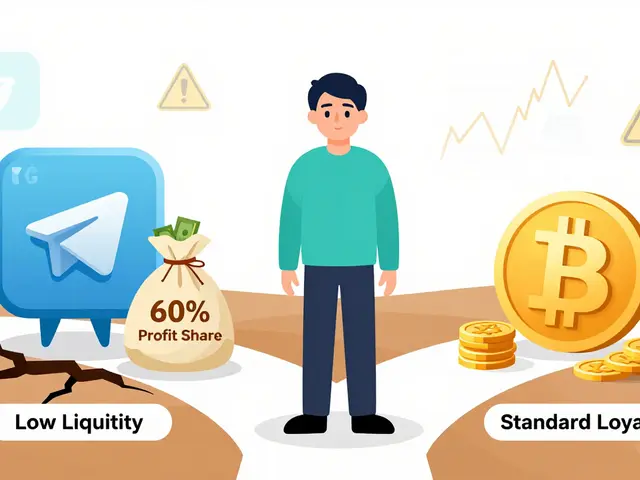


Imagine a cryptocurrency that doesn't just power a network but also acts like a dividend-paying stock, where the company uses its actual profits to buy back its own shares. That’s the core pitch behind Sophon, a project built on Ethereum that launched its native token, SOPH, in mid-2025. But here’s the twist: the original plan for SOPH-to handle gas fees and staking-is being phased out. Instead, the token is evolving into an asset tied directly to the revenue of Sophon’s products, like their gaming platform Pyre.
If you’re wondering whether this shift makes SOPH a safer bet or a riskier gamble, you’re not alone. The token has seen significant attention since listing on major exchanges like Binance and Coinbase. With a fixed supply of 10 billion tokens and a complex vesting schedule, understanding how SOPH works is crucial before you decide to hold it. Let’s break down exactly what Sophon is, how its tokenomics function, and why the "buyback and burn" model changes the game entirely.
The Core Identity of Sophon Network
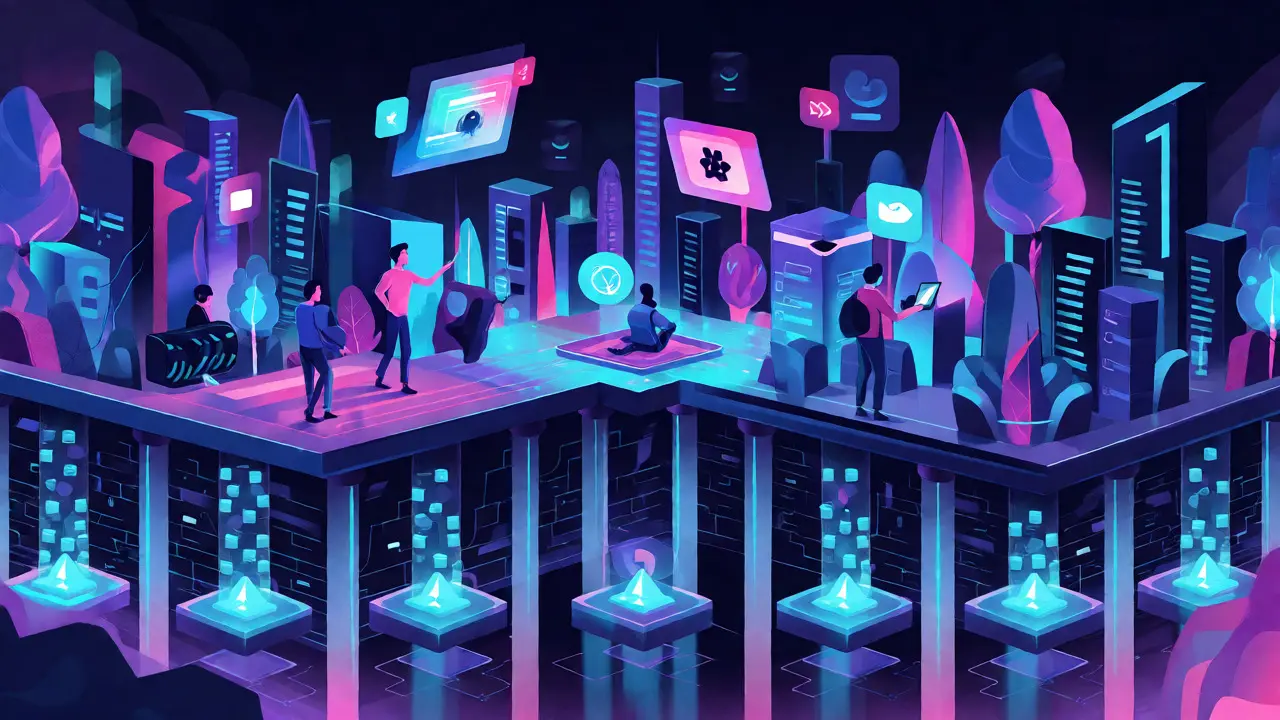
Sophon is a Layer 2 scaling solution designed to bring high-speed, low-cost transactions to the Ethereum ecosystem. Unlike many other Layer 2s that focus purely on technical throughput, Sophon positions itself as a hub for consumer applications, particularly in gaming and social media. The network utilizes zero-knowledge rollup technology to bundle thousands of transactions off-chain and settle them securely on Ethereum.
At the heart of this infrastructure sits the SOPH token. Initially, SOPH served three traditional roles: paying for transaction fees (gas), securing the network through staking, and allowing holders to vote on governance proposals. However, the project team has explicitly stated that these utilities are transitional. As the underlying chain architecture matures, the need for users to hold SOPH for basic operations diminishes, thanks to features like paymasters that allow apps to subsidize fees.
| Attribute | Value/Detail |
|---|---|
| Token Standard | ERC-20 (Ethereum) |
| Total Supply | 10,000,000,000 SOPH |
| Circulating Supply (Est.) | ~2.0 - 4.1 Billion (varies by source) |
| Primary Utility | Buyback & Burn, Governance, Staking (phasing out) |
| Launch Date | May 2025 (Binance Listing) |
From Gas Fees to Revenue Sharing: The Utility Shift
Most cryptocurrencies derive value from their necessity within a system. If you want to send ETH on Arbitrum, you need ETH. If you want to use Solana, you need SOL. Sophon is trying something different. The official documentation notes that gas and staking utilities will be "phased out alongside the chain." So, if I don’t need SOPH to play games on Sophon, why should I care about the price?
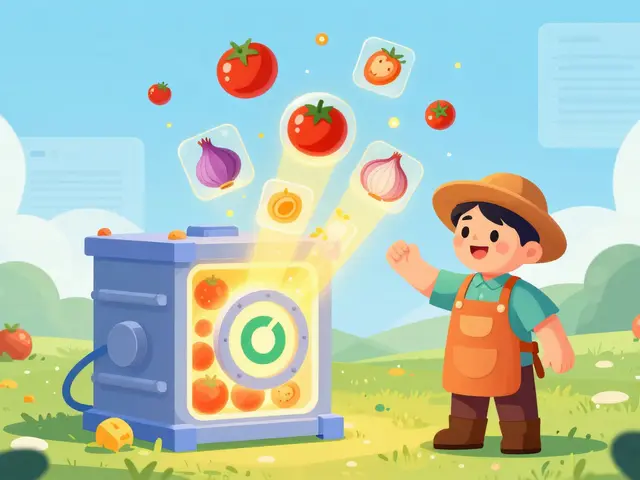
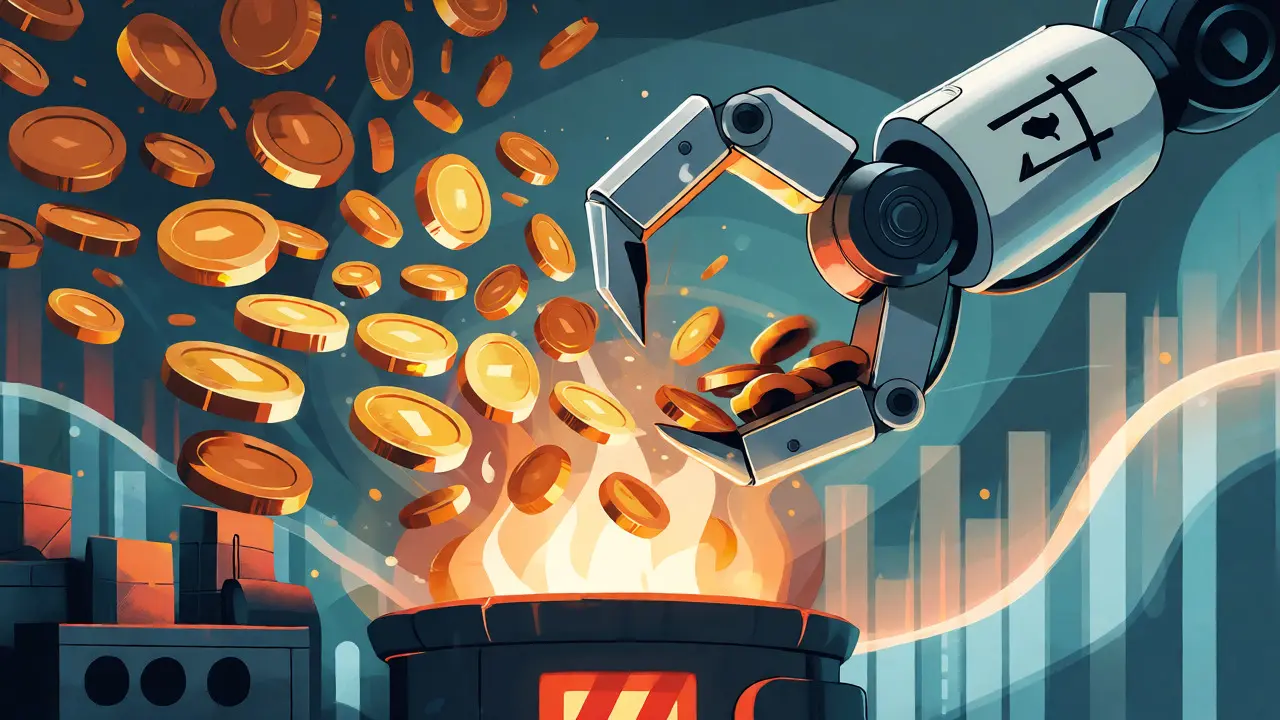
The answer lies in the buyback-and-burn program. Starting in June 2025, Sophon began using a portion of the revenue generated by its product suite-including the popular game engine Pyre-to purchase SOPH tokens from the open market. These purchased tokens are then permanently removed from circulation (burned). This creates a direct link between the commercial success of Sophon’s apps and the scarcity of the SOPH token. It transforms SOPH from a pure utility token into something resembling a quasi-equity asset, where holding the coin benefits from the platform’s profitability rather than just its usage volume.
Understanding the Tokenomics: Who Holds What?
Tokenomics can make or break a project. For SOPH, the distribution was heavily skewed toward the community, which is generally a positive sign for decentralization and long-term alignment. Out of the 10 billion total supply, 57% was allocated to users and ecosystem incentives. This stands in contrast to many projects where insiders and early investors grab the lion's share.
- Ecosystem Reserve (26%): 2.6 billion tokens reserved for future growth, partnerships, and liquidity mining.
- Node Rewards (20%): 2 billion tokens dedicated to incentivizing those who help secure the network.
- Core Contributors (25%): 2.5 billion tokens for the team, subject to a four-year vesting period.
- Seed Investors (18%): 1.8 billion tokens for early backers, with a three-year vesting period.
- Foundation (8%): 800 million tokens for liquidity mining and post-mainnet incentives.
This structure means that while insiders hold a significant chunk, they are locked up for years. The immediate circulating supply at launch was only 20% (2 billion tokens), leaving 80% to be released over six years. This front-loaded emission schedule-where nearly 45% of emissions occur in the first year-is designed to jumpstart activity but requires careful monitoring to avoid excessive sell pressure.
The Buyback Mechanism: A Deflationary Engine?
Why does the buyback matter? In standard crypto models, new tokens are often minted to pay validators, increasing supply and potentially diluting value. Sophon flips this script. By burning tokens bought with real-world revenue, they reduce the total supply below the initial cap. If the revenue grows faster than the rate of new unlocks, the net effect is deflationary.
Consider this scenario: If Sophon’s games generate $1 million in monthly revenue and 50% goes to buybacks, that’s $500,000 worth of SOPH removed from the market every month. Compare that to the unlock schedule, where roughly 169 million tokens might unlock quarterly. If demand remains steady or rises due to product adoption, the reduced supply could theoretically support a higher price per token. It’s a mechanism that rewards patience and aligns holder interests with the operational health of the business.
Risks and Challenges to Watch
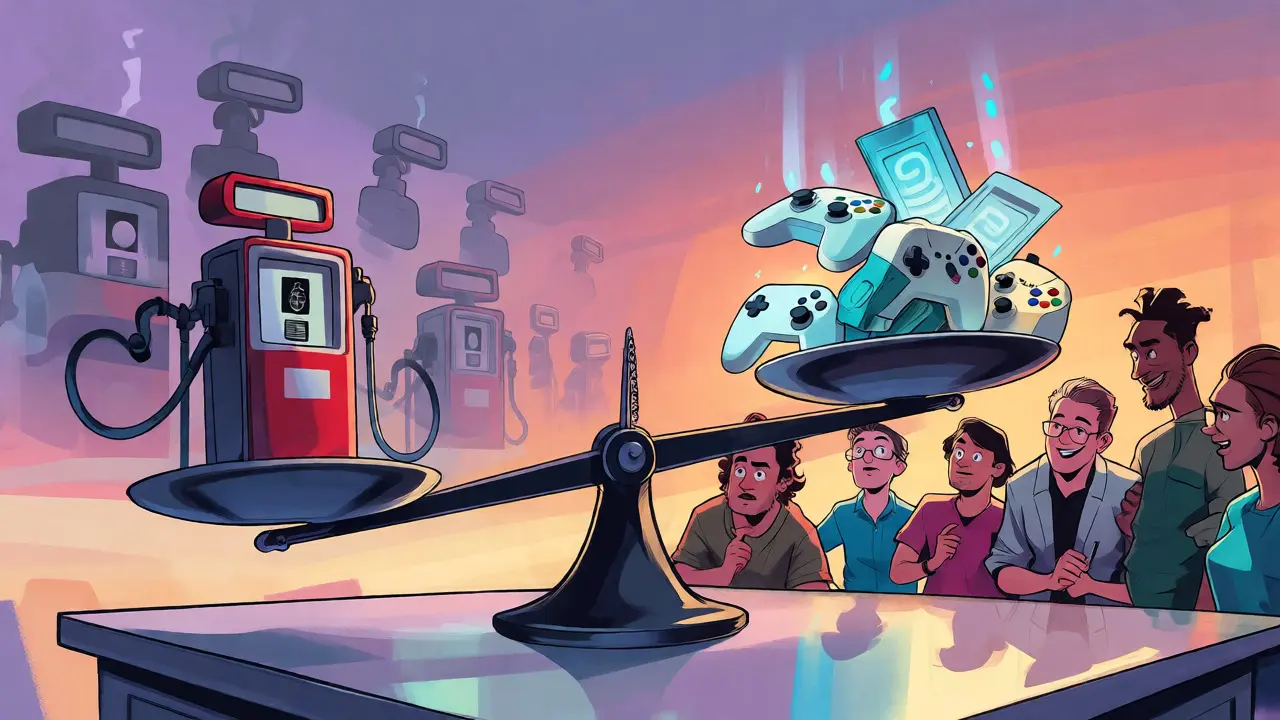
No investment is without risk, and SOPH has specific hurdles. First, the transition away from gas and staking utilities removes the "forced demand" that many L2 tokens enjoy. Users won’t *need* to buy SOPH to interact with the chain, so demand must come from speculation or belief in the buyback model. If user engagement drops, revenue drops, buybacks shrink, and the deflationary pressure vanishes.
Second, there is data inconsistency regarding circulating supply. While some dashboards report 2 billion tokens circulating, others show over 4 billion. This discrepancy likely stems from how different platforms calculate vested versus unlocked tokens. Always check the latest Etherscan data for the most accurate on-chain reality. Additionally, large unlocks scheduled through 2028 and 2029 mean that early investors and team members will have opportunities to sell, creating potential volatility spikes.
How to Buy and Store SOPH
Since SOPH is an ERC-20 token, it fits seamlessly into any Ethereum wallet. You don’t need special software. Here’s the typical path:
- Acquire ETH: Most purchases start with Ethereum, as it’s the primary trading pair.
- Choose an Exchange: SOPH is listed on major centralized exchanges like Binance and Coinbase. Decentralized exchanges (DEXs) like Uniswap also support it.
- Store Securely: Use a self-custody wallet like MetaMask or Ledger. Since you’ll be interacting with the Sophon bridge to move assets onto the Layer 2, ensure your wallet supports custom networks.
Remember, while the Sophon network handles transactions quickly, the SOPH token itself lives on Ethereum mainnet until bridged. Keep an eye on gas fees when moving large amounts of SOPH across chains.
Is Sophon a Layer 1 or Layer 2 blockchain?
Sophon is a Layer 2 scaling solution built on top of Ethereum. It uses zero-knowledge rollups to process transactions off-chain while inheriting Ethereum's security.
Why is SOPH changing its utility from gas to buybacks?
The change aims to decouple token value from mere network congestion. By tying value to product revenue via buybacks, the project seeks to create a more sustainable economic model that rewards holders based on business performance rather than just transaction volume.
What is the maximum supply of SOPH?
The maximum supply of SOPH is capped at 10,000,000,000 tokens. There are no plans to mint additional tokens beyond this limit.
Where can I trade SOPH tokens?
SOPH is available on major centralized exchanges including Binance and Coinbase, as well as various decentralized exchanges compatible with the Ethereum network.
Does holding SOPH give me voting rights?
Yes, SOPH holders participate in governance. They can vote on protocol upgrades, parameter changes, and the allocation of ecosystem funds, ensuring community involvement in the network's direction.