


You might have heard the hype about WagyuSwap being the "fastest" decentralized exchange. The promise of Ethereum-like compatibility with Solana-level speeds sounds too good to be true. But here is the hard truth you won't find in their marketing brochures: speed means nothing if there is no one else on the other side of the trade.
I’ve spent weeks digging into the data behind WagyuSwap, a decentralized exchange built on the Velas Network that promises ultra-low fees and high-speed transactions for traders seeking alternatives to congested blockchains like Ethereum. The reality? It’s a platform with impressive technical specs but a critical lack of liquidity. If you are looking for a place to park large sums or execute complex arbitrage strategies without slippage eating your profits, this review will save you from making costly mistakes.
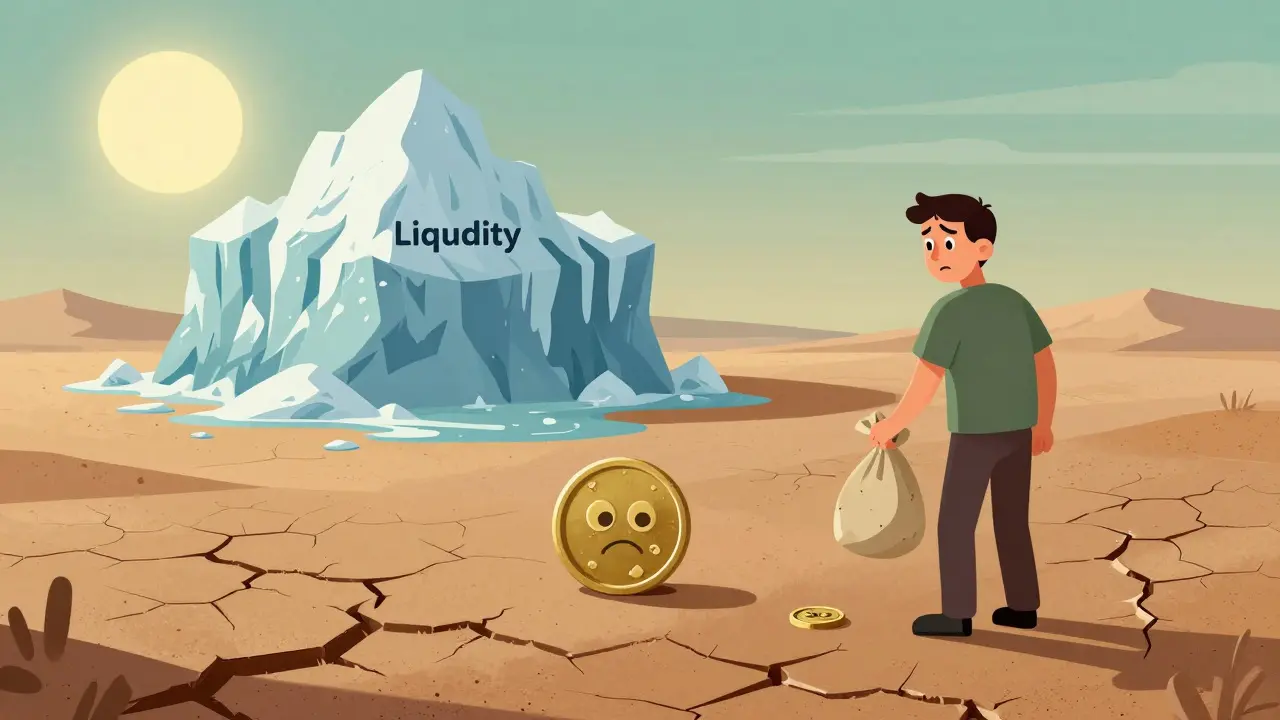
The Core Problem: Speed Without Liquidity
Let’s cut through the noise. WagyuSwap operates on the Velas Network, a blockchain that combines Ethereum Virtual Machine (EVM) compatibility with Solana's high-throughput architecture to offer faster transaction finality than traditional networks. On paper, this is a dream setup. You get the security and developer familiarity of EVM standards while paying fractions of a cent per transaction instead of the dollars you’d pay on Ethereum during peak hours.
However, a decentralized exchange is only as good as its liquidity pools. Liquidity is the fuel that allows trades to happen at fair prices. When I checked the order books and pool depths recently, the picture was stark. Major players like Uniswap, the leading decentralized exchange on Ethereum known for its Automated Market Maker (AMM) model and deep liquidity across thousands of tokens, or PancakeSwap, the popular decentralized exchange on BNB Chain offering low fees and a wide variety of trading pairs including meme coins and DeFi tokens, dominate because millions of users provide liquidity. WagyuSwap, by contrast, shows minimal trading volume. In some 24-hour periods, the volume hits zero.
Why does this matter to you? Imagine you want to swap $1,000 worth of USDT for WAG tokens. On Uniswap, you’ll likely get a price very close to the market rate. On WagyuSwap, due to thin liquidity, that same trade could result in massive slippage. You might send $1,000 but receive significantly less value back because there aren’t enough buyers in the pool to absorb your sell order. The gas fee might be cheaper, but the hidden cost of slippage can dwarf those savings.
Understanding the WAG Token Economics
To use WagyuSwap effectively, you need to understand the WAG token, the native utility token of the WagyuSwap ecosystem used for governance, staking rewards, and paying transaction fees within the Velas Network. The token has had a turbulent history. It hit an all-time high of nearly $3.00 in late 2021 during the peak of the DeFi bull run. As of mid-2026, it trades around $0.00014. That is a decline of over 99%.
This isn’t just bad luck; it reflects broader structural issues. With a maximum supply capped at 500 million tokens and roughly 46.78 million currently in circulation, the tokenomics rely heavily on new user adoption to drive demand. Currently, that demand is missing. Analysts from platforms like LiteFinance and WalletInvestor project continued stagnation or slight declines through 2029, with average prices hovering near current lows. Unless the Velas Network sees a massive influx of developers building applications that require WagyuSwap for swaps, the token lacks a fundamental catalyst for growth.
| Feature | WagyuSwap | Uniswap | PancakeSwap |
|---|---|---|---|
| Base Blockchain | Velas Network | Ethereum | BNB Chain |
| Avg. Transaction Fee | ~$0.001 | $5 - $50+ (varies) | ~$0.10 |
| Liquidity Depth | Very Low | Extremely High | High |
| 24h Volume | Negligible/Often Zero | $Billions | $Hundreds of Millions |
| Best For | Micro-transactions, Testing | Large Trades, Blue-chip Assets | Meme Coins, Mid-cap Tokens |
Who Actually Benefits From WagyuSwap?
Is WagyuSwap useless? Not entirely. There is a specific niche where it shines. If you are a developer testing smart contracts on the Velas Network, or a trader executing micro-transactions of under $10, WagyuSwap offers an environment where gas fees are virtually non-existent. For someone moving small amounts of stablecoins between wallets on Velas, the speed is undeniable. Transactions finalize in seconds, not minutes.
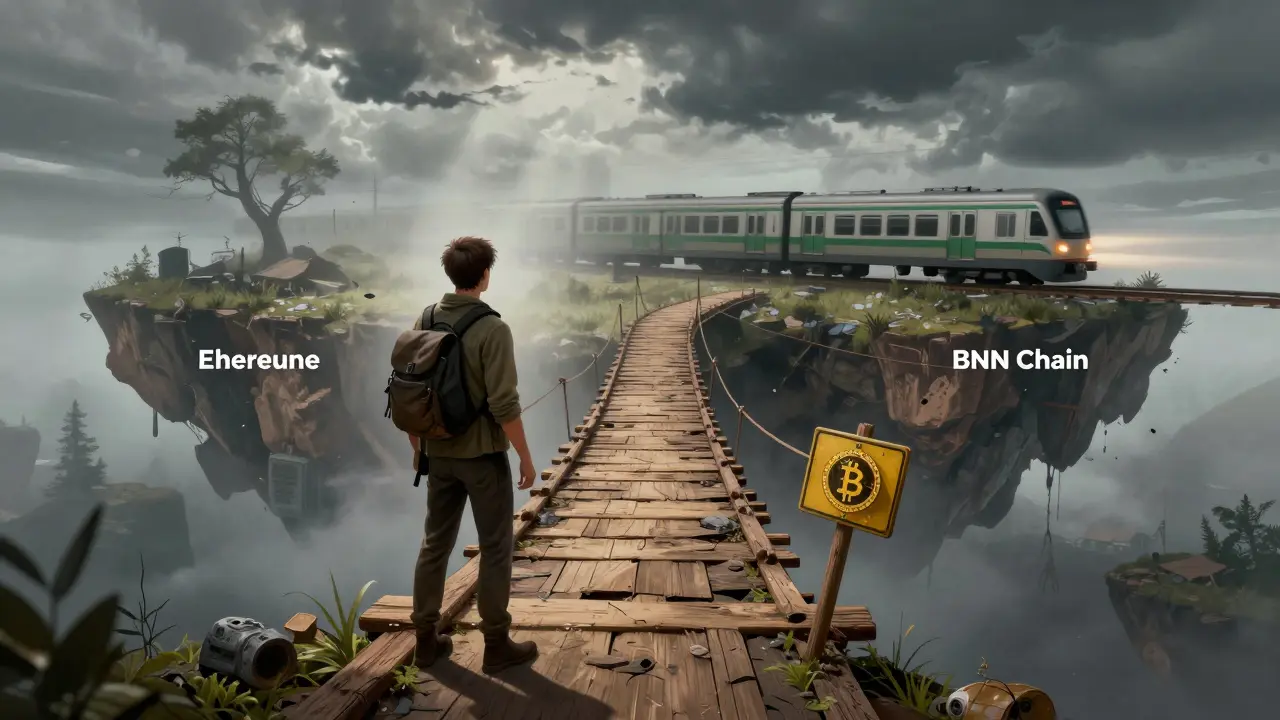
However, for the average retail investor looking to diversify their portfolio or trade major assets like Bitcoin or Ethereum equivalents, WagyuSwap falls short. The cross-chain bridging required to get assets onto Velas adds complexity and risk. You have to trust bridge protocols to move your funds from Ethereum or BNB Chain to Velas. These bridges have historically been targets for hackers. Adding another layer of custody risk for a platform with such low activity is rarely worth it.
Risks and Red Flags to Watch
Before you connect your wallet, consider these risks:
- Smart Contract Risk: Like any DEX, WagyuSwap relies on code. While audits are standard, newer protocols on emerging chains often have fewer eyes reviewing their code compared to battle-tested giants like Uniswap.
- Impermanent Loss: If you decide to provide liquidity to earn WAG rewards, be aware that impermanent loss can severely impact your returns, especially given the volatility of the WAG token itself.
- Network Dependency: WagyuSwap’s fate is tied to the Velas Network. If Velas fails to attract developers or loses relevance in the multi-chain landscape, WagyuSwap becomes obsolete regardless of its technology.
- Low Community Engagement: Social sentiment analysis shows minimal discussion. A healthy crypto project thrives on community feedback and active development updates. The silence around WagyuSwap is concerning.
How to Get Started (If You Still Want To)
If you are determined to try WagyuSwap, follow these steps carefully. Do not start with money you cannot afford to lose.
- Set Up a Compatible Wallet: You need a wallet that supports the Velas Network. MetaMask is the most common choice, but you must add the Velas Network RPC details manually. Ensure you are using the official network parameters from the Velas website to avoid phishing scams.
- Acquire VELAS or WAG: You will need the native gas token (VELAS) to pay for transactions on the network, even if they are cheap. You can buy VELAS on centralized exchanges like KuCoin or Bybit and withdraw it to your MetaMask address.
- Bridge Assets (Optional): If you want to trade other tokens, you may need to use a bridge to move assets from Ethereum or BNB Chain to Velas. Use reputable bridge services and verify contract addresses twice.
- Connect to WagyuSwap: Visit the official WagyuSwap interface. Never click links from social media posts. Type the URL directly or use a verified bookmark. Connect your wallet and approve the connection.
- Start Small: Execute a test trade of $1-$5. Check the slippage tolerance settings. If the output amount looks drastically lower than expected, cancel the transaction. This confirms the liquidity issue firsthand.
Final Verdict: Proceed With Extreme Caution
WagyuSwap represents a classic case of "technology ahead of adoption." The underlying Velas Network is technically sound, offering speed and low costs that Ethereum simply cannot match. However, a decentralized exchange is a marketplace, not just a piece of software. Without buyers and sellers, the best technology in the world doesn’t matter.
For most users in 2026, established platforms like Uniswap, PancakeSwap, or even newer L2-focused DEXs on Arbitrum or Optimism offer better liquidity, deeper markets, and more robust ecosystems. WagyuSwap remains a speculative play. It might rebound if Velas gains sudden popularity, but right now, it is a ghost town with fast roads. Use it for learning or micro-experiments, but keep your main trading activity on platforms with proven depth and security.
Is WagyuSwap safe to use?
WagyuSwap uses audited smart contracts, but safety also depends on liquidity and network stability. The primary risk is not hacking, but rather slippage due to low liquidity and potential losses from bridging assets to the Velas Network. Always verify contract addresses and start with small amounts.
What is the minimum deposit for WagyuSwap?
There is no official minimum deposit, but practically, you should start with at least $5-$10 to cover gas fees and ensure your trade size doesn't cause excessive slippage. Given the low value of the WAG token, smaller amounts may result in negligible returns after fees.
How do I get WAG tokens?
You can purchase WAG tokens on centralized exchanges like KuCoin, Bybit, or BTCC, then withdraw them to a compatible wallet connected to the Velas Network. Alternatively, you can swap other tokens for WAG directly on WagyuSwap, though liquidity may be limited.
Why is WagyuSwap so cheap compared to its all-time high?
The WAG token dropped over 99% from its 2021 peak due to reduced market interest, low trading volume, and competition from larger DEX ecosystems. Crypto markets are highly volatile, and tokens on niche networks often struggle to maintain value without strong utility or user adoption.
Can I make money providing liquidity on WagyuSwap?
Providing liquidity carries significant risk on WagyuSwap due to low trading volume. You may earn WAG rewards, but the potential for impermanent loss-especially with a volatile token like WAG-often outweighs the rewards. It is generally recommended for experienced DeFi users only.