


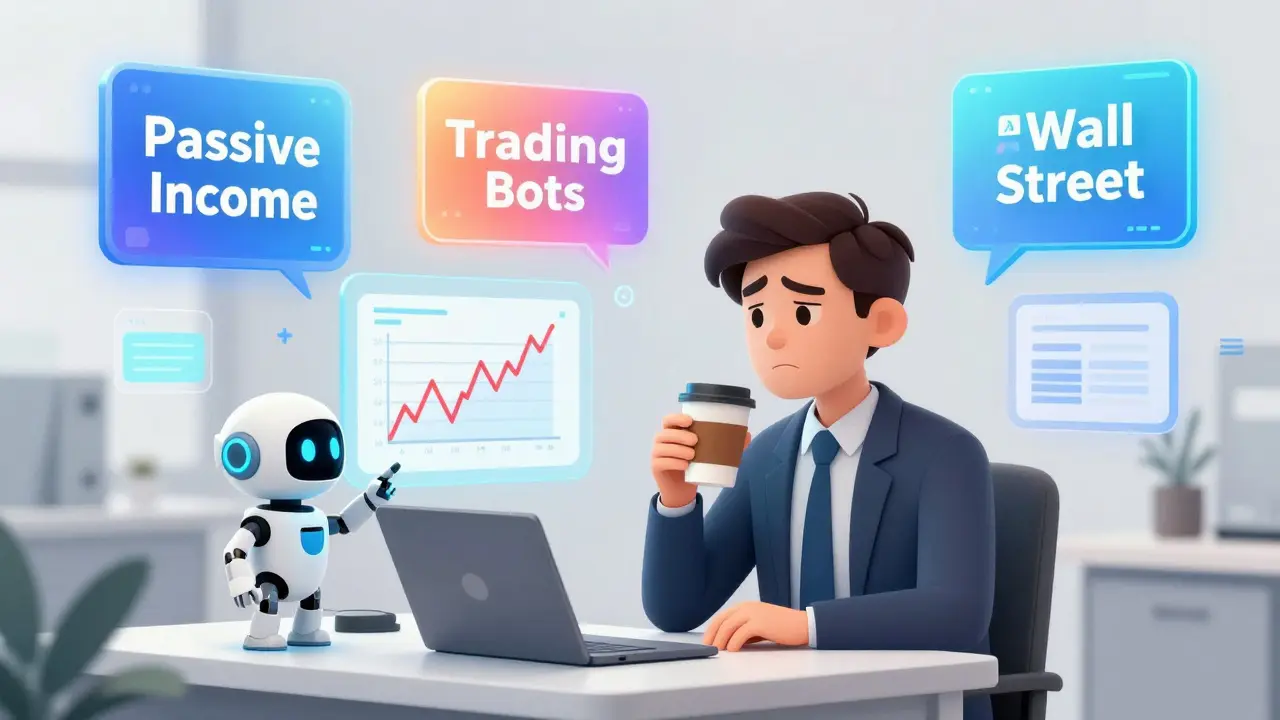
You see the ads everywhere. "Set it and forget it." "Make passive income while you sleep." "AI that beats Wall Street." It sounds like a dream come true for anyone who has ever lost money because they panicked during a dip or got greedy during a pump. But here is the hard truth about AI trading bots for cryptocurrency: they are powerful tools, not magic money printers.
In 2026, the market for AI trading platforms hit $13.52 billion. That is a massive number, but it also means there is a lot of noise. You have professional quant firms using proprietary data that costs millions, and you have retail traders trying to copy-paste strategies from Discord servers. If you want to use these bots without blowing up your account, you need to understand how they actually work, where they fail, and which ones are worth your time. Let’s cut through the hype and look at what the data says.
What Are AI Trading Bots Actually Doing?
At their core, these bots are software programs that connect to cryptocurrency exchanges via API keys. They don’t just follow simple rules like "buy when price goes up." Modern AI bots use machine learning models trained on historical price data, technical indicators, and increasingly, sentiment analysis. They read news articles, scan Twitter (or X), and analyze forum discussions to gauge market mood.
The main advantage? Speed and discipline. A human trader reacts in about 250 milliseconds. Platforms like Cryptohopper execute trades in 12 to 18 milliseconds. More importantly, bots don’t get tired, scared, or euphoric. They stick to the plan. If your strategy says "sell at a 5% loss," the bot does it instantly. Humans often hesitate, hoping the price will bounce back, which leads to bigger losses.
However, this automation comes with blind spots. Bots cannot predict "black swan" events-unexpected crashes caused by regulatory bans, exchange hacks, or global economic shifts. They rely on patterns. When the market behaves irrationally, the pattern breaks, and the bot keeps trading until you stop it.
The Top Contenders in 2026
Not all bots are created equal. The landscape has consolidated, and a few names dominate the conversation. Here is how the major players stack up based on features, cost, and user experience.
| Platform | Key Feature | Cost (Monthly) | Best For | Major Limitation |
|---|---|---|---|---|
| Cryptohopper | AI Strategy Builder & Market Maker | $89 (Professional) | Advanced users wanting custom AI strategies | High cost; steep learning curve for advanced features |
| 3Commas | DTrade Terminal & Smart Trade | $49.50 (Pro) | Traders using multiple exchanges simultaneously | Complex interface can overwhelm beginners |
| Pionex | Built-in Grid Bots (Free) | $0 (Trading fees apply) | Beginners; sideways market volatility | Limited to Pionex exchange; fewer altcoin pairs |
| HaasOnline | HaasScript Programming | $89-$299+ | Developers and pro traders coding custom logic | Requires Python knowledge; expensive |
| Bitsgap | Arbitrage & Grid Trading | $29-$149 | Automating across many small-cap coins | Poor performance during extreme flash crashes |
Cryptohopper leads in pure AI capability, allowing you to feed strategies into its engine so it can learn and adapt. Pionex is the standout for simplicity because the bots are built directly into the exchange, removing the hassle of API connections. However, if you want to trade on Binance or Coinbase, you’ll need a connector like 3Commas or Bitsgap.

Where Bots Fail: The Reality Check
It is easy to fall in love with backtesting results. Backtesting runs your strategy against past data. It looks perfect. But live trading is messy. According to analysis from Coincub, 89% of retail bots overperformed in backtests compared to live trading due to "lookahead bias"-where the bot seemingly knew future prices that weren't available at the time of the trade.
Consider Bitcoin's 35% flash crash in October 2025. During that event, 72% of retail bots on platforms like Bitsgap executed stop-losses at unfavorable prices. Why? Because the price dropped so fast that the bot couldn't find a buyer at the target price. It sold lower than intended. This is called slippage, and it is the enemy of automated trading.
Another issue is "crowded trades." When thousands of users buy the same popular AI strategy, the edge disappears. The market adapts, and the strategy stops working. Professor Marcus Chen from MIT warns that retail bots achieve 15-25% annual returns on average, while institutional firms using superior infrastructure hit 40-60%. You are playing a harder game than you think.
How to Start Without Losing Everything
If you still want to try AI trading, approach it like a scientist, not a gambler. Here is a step-by-step framework to minimize risk.
- Start with Paper Trading: Every reputable platform offers a demo mode. Use it for at least two weeks. Treat virtual money as real money. If you can’t make profit in simulation, you won’t make it live.
- Choose the Right Market Condition: Grid bots thrive in sideways markets (low volatility). Trend-following bots win in bull or bear markets. Do not use a grid bot during a crash. Check Glassnode data or simple moving averages to determine the current trend.
- Secure Your API Keys: Never enable "Withdrawal" permissions on your API keys. Only allow "Spot Trading." This ensures that even if the bot platform is hacked, your funds stay on the exchange.
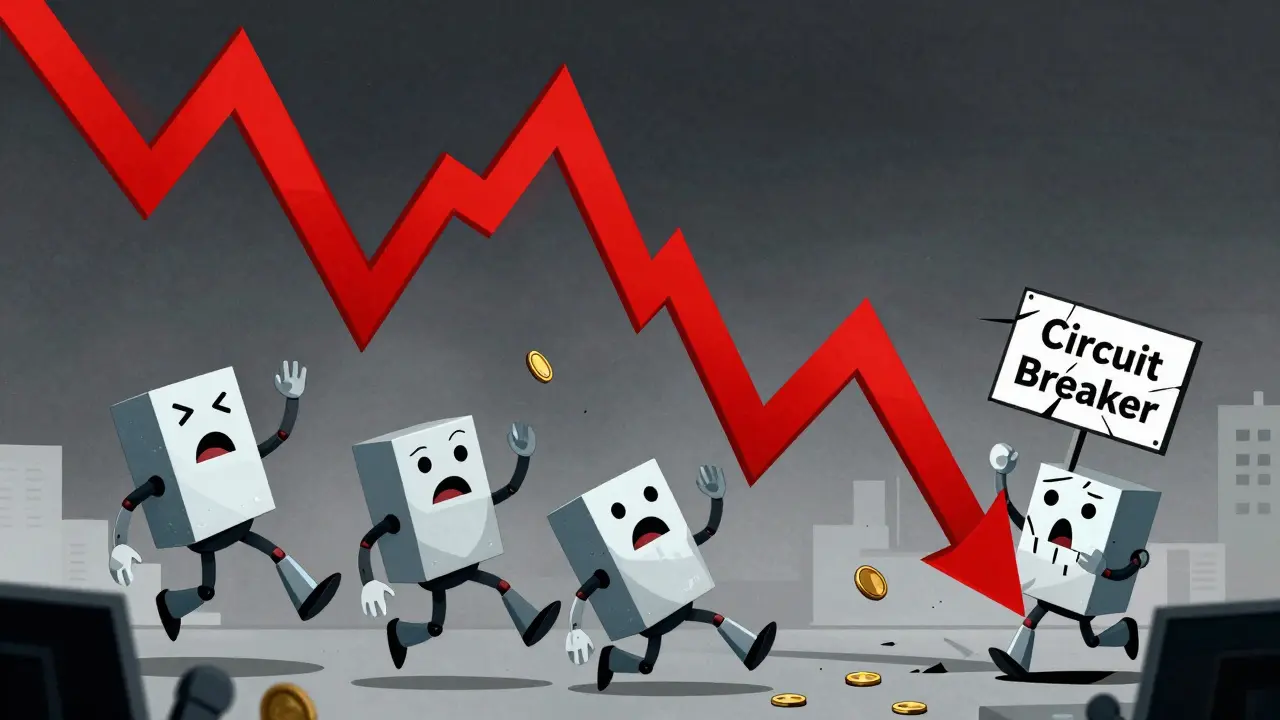
- Set Circuit Breakers: Configure your bot to stop trading if it loses more than 5% in a single day. This prevents a bad algorithm from draining your entire portfolio overnight.
- Monitor Weekly: "Set and forget" is a myth. Markets change. Parameters that worked last month may be dangerous today. Review your bot’s performance weekly and adjust take-profit levels or stop-losses accordingly.
Security and Regulatory Risks
Security is non-negotiable. In 2025, audits revealed that 38% of reviewed bot platforms had critical vulnerabilities in their key management systems. Always use two-factor authentication (2FA) on both your exchange account and your bot platform. Better yet, use hardware keys like YubiKey.
Regulation is tightening. The SEC issued guidance in late 2025 stating that AI bots providing investment advice may require registration as investment advisors. This has already caused some platforms, like Coinrule, to restrict features for US users. Keep an eye on local laws, especially if you are running large volumes. The days of wild west crypto trading are ending.
Who Should Actually Use These Bots?
AI trading bots are not for everyone. They are best suited for:
- Busy Professionals: People who understand crypto but don’t have time to watch charts all day.
- Data-Driven Traders: Individuals who enjoy tweaking parameters, analyzing metrics, and optimizing systems.
- Risk Managers: Those who view trading as a business with strict loss limits, not a lottery ticket.
If you are looking for quick riches with no effort, delete this page. You will lose money. If you are willing to put in the work to learn, test, and manage risk, these tools can add significant value to your portfolio.
Can AI trading bots guarantee profits?
No. No trading system guarantees profits. AI bots remove emotion and increase speed, but they still operate in unpredictable markets. Historical performance does not guarantee future results. Many bots lose money during high volatility or black swan events.
Is it safe to connect my exchange to a bot platform?
It is generally safe if you follow security best practices. Generate API keys with only "Spot Trading" permissions enabled. Never enable "Withdrawal" permissions. This ensures the bot can trade but cannot move your funds off the exchange. Always use strong passwords and 2FA.
Which bot is best for beginners?
Pionex is often recommended for beginners because it offers free, built-in grid trading bots that require minimal setup. Since the bots are integrated into the exchange, you avoid complex API configurations. However, you are limited to trading only on the Pionex exchange.
Do I need coding skills to use AI trading bots?
Most modern platforms like 3Commas, Cryptohopper, and Pionex offer no-code interfaces. You can set up strategies using visual builders. However, advanced platforms like HaasOnline require Python programming skills to create custom scripts. Coding gives you more control but has a steeper learning curve.
What happens if the internet goes down?
If your connection drops, the bot will pause trading. Most cloud-based bots resume automatically when connectivity is restored. However, rapid price movements during the outage could trigger unexpected entries or exits. It is wise to check your positions immediately after any extended downtime.
Are AI trading bots legal?
Yes, using trading bots is legal in most jurisdictions. However, regulations are evolving. In the US, the SEC has indicated that bots offering investment advice may need to register as advisors. Always check local laws regarding automated trading and tax reporting requirements for crypto gains.