How Venezuela Uses Crypto to Evade Sanctions
Explore how Venezuela built a crypto ecosystem-PETRO, state exchanges, and USDT stablecoins-to sidestep sanctions, the compliance red flags, and what the future may hold.
When working with PETRO, the Venezuelan oil‑backed cryptocurrency launched in 2018. Also known as Venezuelan Petro, it aims to combine state‑controlled oil reserves with blockchain technology to create a sovereign digital asset.
The oil‑backed token, a digital asset whose value is tied to a barrel of oil model gives PETRO a unique selling point: its price floor is theoretically linked to crude prices rather than pure market speculation. This connection influences how investors view PETRO compared to typical stablecoin, a cryptocurrency designed to maintain a stable price peg which usually anchor to fiat currencies. While stablecoins focus on price stability, PETRO’s oil backing introduces commodity‑price volatility, making its risk profile distinct.
Understanding PETRO means looking at three core areas. First, the tokenomics: each PETRO is minted against a specific amount of proven oil reserves, and the government claims a 1:1 backing ratio. Second, regulatory environment: international sanctions and local financial policies heavily shape PETRO’s accessibility and legal standing. Third, market access via crypto exchange, platforms where digital assets are bought, sold, or traded listings. These exchanges determine liquidity, user trust, and the ease with which traders can move PETRO in and out of fiat or other crypto assets.
Regulatory constraints create a feedback loop: stricter sanctions push PETRO onto more decentralized venues, while broader acceptance on reputable exchanges can ease compliance checks. This dynamic shows how regulation influences PETRO’s real‑world utility. When a jurisdiction loosens its stance, exchange listings rise, boosting market depth; conversely, tighter controls can force PETRO into niche platforms, limiting exposure.
From a practical standpoint, traders care about fees, withdrawal limits, and KYC requirements on the exchanges that host PETRO. Reviews of platforms like DigiFinex or Bexplus often mention PETRO’s presence as a factor in their overall rating. The availability of PETRO on a reputable crypto exchange also signals a level of vetting that can sway institutional interest, even though many investors remain cautious due to geopolitical risk.
Another angle is the token’s role in the broader DeFi ecosystem. Some developers experiment with PETRO as collateral in lending protocols, treating the oil‑backed nature as a hedge against fiat inflation. This experimentation links PETRO to DeFi concepts like over‑collateralization, similar to what we see with other commodity‑linked assets. However, the scarcity of audited data on reserve verification limits widespread adoption, reinforcing the importance of transparent audits for any future growth.
When you combine the oil‑backed model, regulatory pressure, and exchange dynamics, you get a clear picture: PETRO sits at the intersection of sovereign finance and crypto innovation. It offers a case study on how governments can attempt to leverage blockchain for national assets, while also highlighting the challenges of achieving global trust.
Below you’ll find a curated set of articles that dive deeper into each of these facets—exchange reviews, airdrop opportunities, stablecoin comparisons, and regulatory analyses—giving you a fuller view of how PETRO fits into today’s crypto landscape.
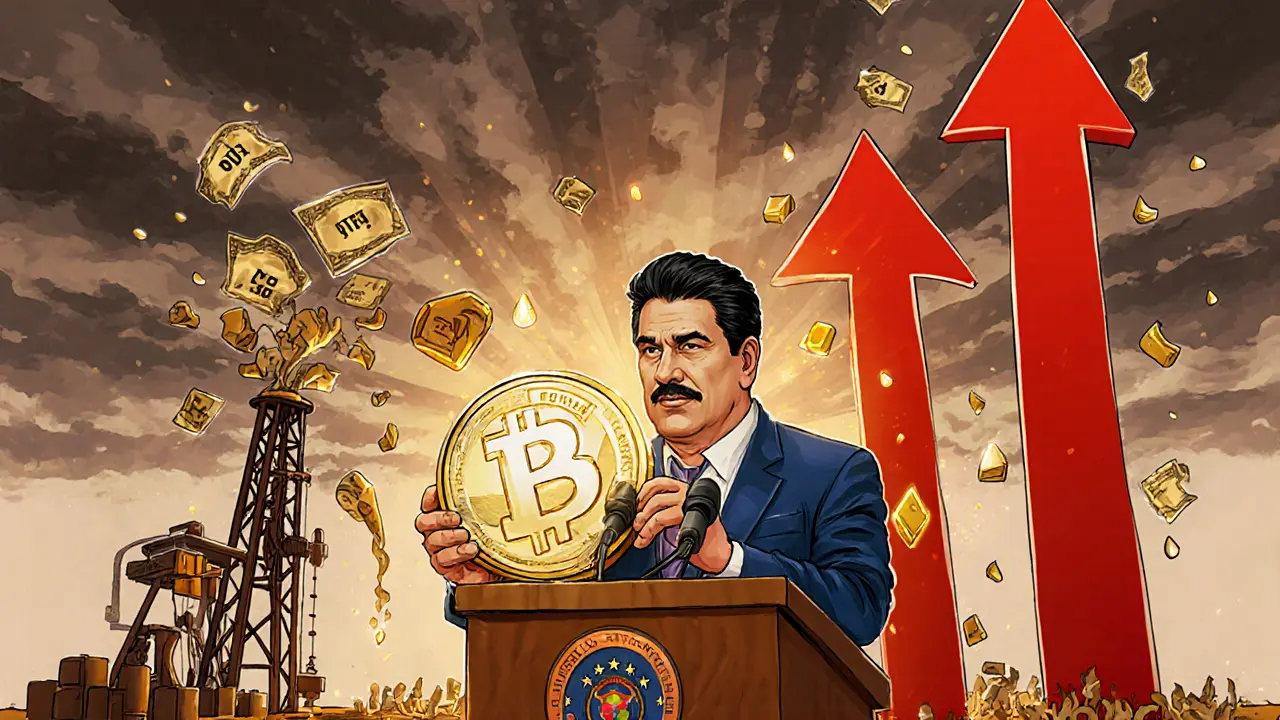
Explore how Venezuela built a crypto ecosystem-PETRO, state exchanges, and USDT stablecoins-to sidestep sanctions, the compliance red flags, and what the future may hold.