Liquidation Process in Crypto: What Happens When Your Position Gets Closed
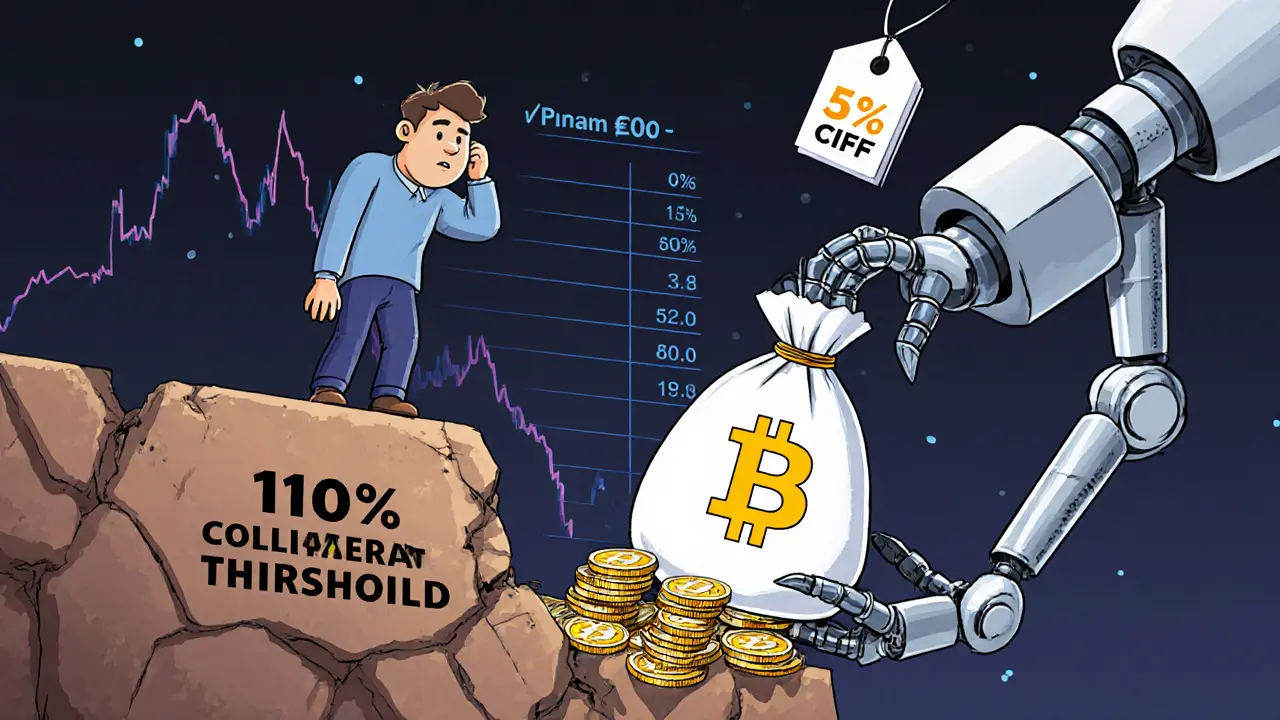
When you trade crypto with leverage, the liquidation process, the automatic closing of a leveraged position when losses hit a critical threshold can wipe out your entire stake in seconds. It’s not a penalty—it’s a safety mechanism built into every exchange that allows margin trading. If your account equity drops below the maintenance margin, the system sells your position to cover the loan. No warning. No second chance. This isn’t theoretical. Thousands of traders lost everything in 2022 when Bitcoin dropped 50% in a week, and their leveraged trades got liquidated before they could react.
The liquidation price, the exact market price at which your position will be automatically closed is calculated based on your leverage, entry price, and collateral. Higher leverage means a liquidation price closer to your entry. For example, a 10x leveraged long on BTC at $60,000 might get liquidated at $54,000. A 50x leveraged trade? Liquidation at $58,800. That’s a 2% move from your entry. Most retail traders don’t realize how thin the buffer is. Platforms like EasiCoin, Nomiswap, and OEX don’t make this clear—until it’s too late. And when exchanges like Binance or Coinbase liquidate you, they don’t ask. They just execute.
The margin trading, the practice of borrowing funds to increase your trading position size is what makes liquidation possible. It’s not inherently bad. Many pros use it to scale into positions. But without proper risk management, it’s a one-way ticket to zero. The leveraged positions, trades amplified by borrowed capital that increase both gains and losses on platforms without strong risk controls are especially dangerous. Vietnam’s new rules, India’s exchange bans, and EU’s MiCA compliance all touch on this—because regulators know how many people get burned by liquidations they didn’t understand.
What you’ll find below aren’t just articles about crypto. They’re real-world case studies of what happens when the liquidation process hits. From the RGAME token that vanished overnight to the ANTIX airdrop that rewards careful participants, every post here shows how control, awareness, and timing separate those who survive from those who get erased. You’ll see how exchanges like EasiCoin and Nomiswap operate without safeguards, how regulatory moves like Directive 05/CT-TTg force traders into safer behaviors, and how even meme coins like Ratscoin can trigger cascading liquidations if you’re not watching your exposure. This isn’t about getting rich quick. It’s about not losing everything before you even get started.