Brokoli Network Token: What It Is, How It Works, and Why It Matters
When you hear about the Brokoli Network token, a cryptocurrency asset tied to a blockchain-based network, often promoted for DeFi or gaming use cases. Also known as BROK token, it’s one of hundreds of new tokens launched each month with promises of high returns and community power. But most never deliver. The real question isn’t what it claims to be—it’s whether it has any real users, liquidity, or team behind it.
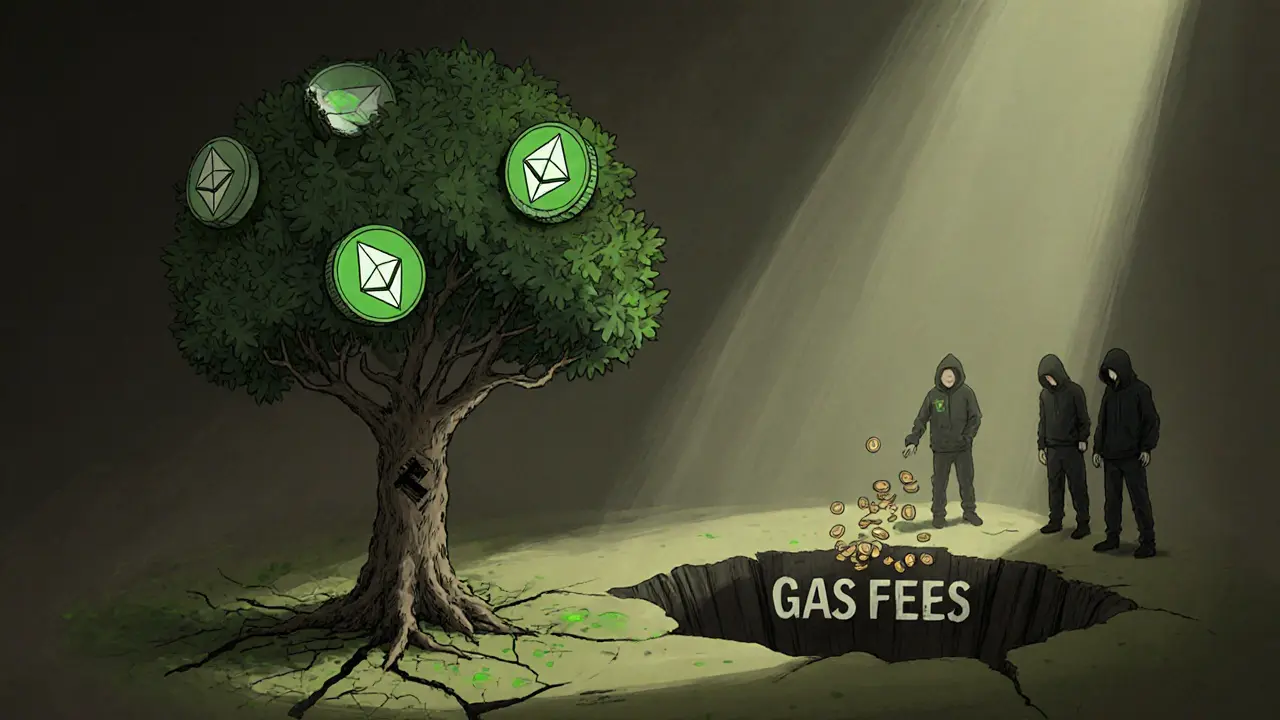
Token projects like Brokoli Network rarely stand alone. They rely on blockchain token, a digital asset issued on a blockchain that represents value, access, or utility within a network infrastructure, often built on Ethereum, BSC, or Solana. But without tokenomics, the economic model that governs how a token is created, distributed, and used over time, even the best tech fails. Look at projects like OmniCat or RGAMES—both had flashy websites and big claims, but zero trading volume and no updates. That’s the pattern. If you can’t find a single real transaction, a live team, or a public roadmap, it’s not a project—it’s a gamble.
Most tokens like this are built to attract early buyers, not to solve problems. They use buzzwords like "decentralized," "community-owned," or "next-gen DeFi" to sound legitimate. But real value comes from DeFi token, a crypto asset used within decentralized finance protocols for lending, staking, or governance functionality that people actually use—like earning interest, voting on upgrades, or accessing services. If Brokoli Network doesn’t let you do any of that, then its token is just a digital collectible with no utility.
What you’ll find in the posts below isn’t a glowing review or a hype guide. It’s a collection of real cases—projects that looked promising but collapsed, exchanges that vanished, and tokens that vanished with them. You’ll see how scams hide in plain sight, how trading volume lies, and why a whitepaper means nothing without action. This isn’t about predicting the next big coin. It’s about learning how to spot what’s real before you put money in.