Blockchain Music: How Crypto and NFTs Are Changing How Artists Get Paid
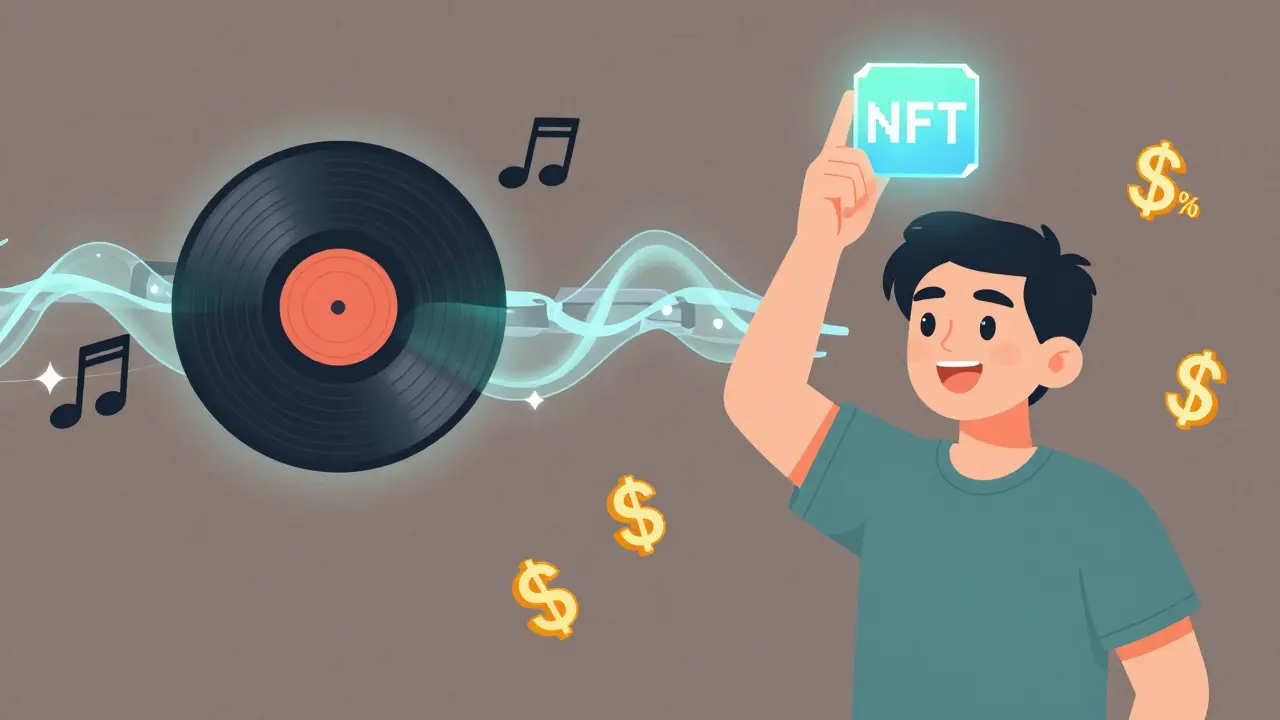
When you think of blockchain music, a system where songs are tied to digital ownership records on decentralized ledgers, enabling direct artist payments and transparent royalty tracking. Also known as tokenized music, it’s not just about selling tracks online—it’s about giving artists control over how their work is used, shared, and paid for. For years, musicians have been stuck in a broken system: streaming platforms take 70% or more of revenue, labels hold the rights, and fans rarely know where their money goes. Blockchain music changes that by recording every play, sale, and license on a public ledger. No middlemen. No hidden fees. Just clear, automatic payments straight to the creator.
This shift doesn’t just affect how artists earn—it changes how fans engage. NFT music, unique digital certificates tied to songs or albums that prove ownership and unlock special access lets fans own a piece of history: a limited-edition track, a behind-the-scenes demo, or even a share of future royalties. Projects like Audius and Royal have already let artists raise money directly from fans by selling these NFTs, bypassing traditional labels entirely. And it’s not just for big names—indie artists in Indonesia, Sweden, and beyond are using blockchain music tools to build loyal communities without needing a record deal.
But not everything labeled as blockchain music is real. Some projects promise royalties that never materialize, or NFTs that have no legal backing. That’s why you’ll find real breakdowns here—like how crypto artists, musicians who issue tokens or NFTs to monetize their work directly on blockchain networks navigate scams, verify platforms, and track actual income. You’ll also see how music royalties blockchain, the automated payment system that splits earnings among producers, songwriters, and performers based on smart contracts works in practice, and why most platforms still fail to deliver on their promises.
What you’ll find below isn’t theory—it’s what’s actually happening in 2025. From artists using Bitcoin wallets to receive direct payments, to fans buying NFTs that unlock concert access, to warning signs that expose fake music tokens, these posts cut through the noise. No fluff. No hype. Just clear, real-world examples of who’s winning, who’s getting ripped off, and how you can be part of the change—if you know where to look.