Blockchain Loans: How They Work, Risks, and Real Uses
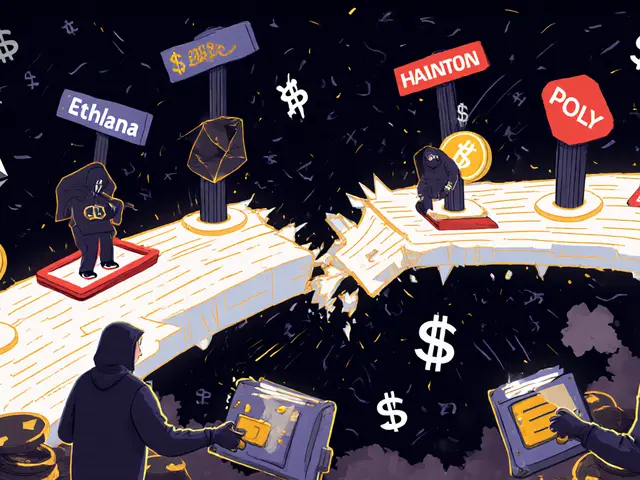
When you think of loans, you probably picture banks, paperwork, and credit scores. But blockchain loans, a type of peer-to-peer lending powered by smart contracts on public blockchains. Also known as DeFi lending, it lets you borrow cash or stablecoins by locking up crypto like Bitcoin or Ethereum as collateral—no bank account needed. This isn’t theory. People in Nigeria, Argentina, and even the U.S. are using it right now to get liquidity without selling their crypto holdings.
How does it actually work? You deposit your crypto into a smart contract, a self-executing program on a blockchain that automatically enforces loan terms. The contract holds your asset, releases funds based on your loan amount, and automatically liquidates your collateral if the value drops too far. No human approves your application. No one calls to check your income. The code does it all. That’s the power—and the danger. If you don’t understand how liquidation thresholds work, you can lose your crypto even if the market only dips 10%.
Not all blockchain loans are the same. Some platforms, like Aave or Compound, are well-audited and used by millions. Others? They’re wild west. Look at the posts below: you’ll find examples of platforms that vanished overnight, tokens that collapsed after a single loan cycle, and users who lost everything because they didn’t realize their collateral was being used in a risky pool. There’s also the legal side—countries like Vietnam and Tunisia are cracking down hard on DeFi lending, making it risky even if the tech works. And while stablecoins like MAI (MIMATIC) make borrowing easier, they’re not risk-free either. If the peg breaks, your loan could suddenly be underwater.
What you’ll find here isn’t a sales pitch. It’s a collection of real cases: platforms that failed, users who got burned, and a few who walked away smart. You’ll see how crypto collateral, the digital assets used to secure blockchain loans can be both a lifeline and a trap. You’ll learn why some DeFi projects offer 20% APY but hide insane risks in their fine print. And you’ll see how the same tech that lets someone in Pakistan borrow $5,000 against their Bitcoin also lets scammers build fake lending pools that vanish in hours.
Blockchain loans aren’t magic. They’re code. And like any tool, they’re only as good as the person using them. If you’re thinking about borrowing against your crypto, you need to know what’s really happening behind the screen. The posts below give you the unfiltered truth—no fluff, no hype, just what works, what doesn’t, and who’s still standing in 2025.