

For years, Malta was the undisputed king of crypto taxation. Influencers promised a life of zero taxes, sunny beaches, and unlimited blockchain freedom. But if you moved there last year expecting that exact scenario, you might have hit a wall. The "Blockchain Island" hype has cooled into something much more serious, structured, and compliant.
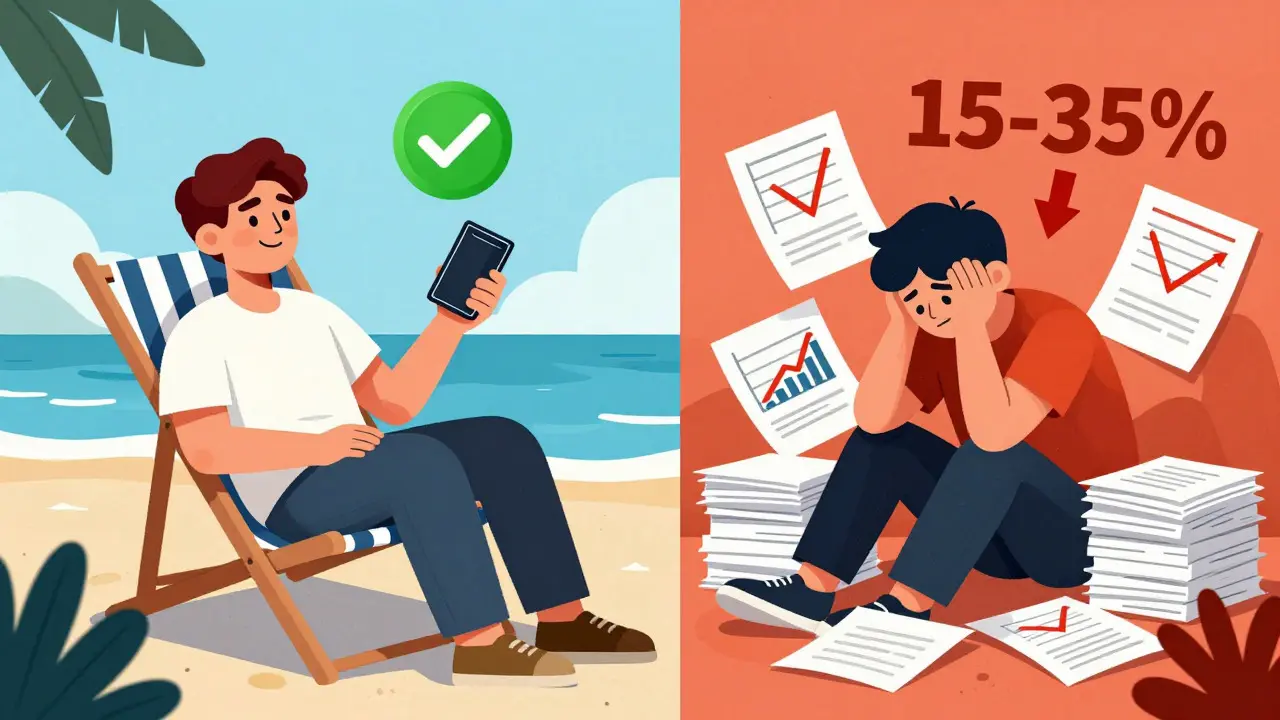
In 2026, Malta remains one of the few places where you can legally pay zero percent tax on cryptocurrency profits. However, it is no longer a loophole for casual investors. It is a sophisticated financial strategy reserved for those who understand the difference between being a tourist and being a tax resident under the non-domiciled (non-dom) regime. If you get the details wrong, the Commissioner for Revenue will not care about your YouTube tutorials; they will apply standard rates that can eat up to 35% of your income.
The Core Mechanism: Non-Domiciled Residency
To unlock the favorable crypto tax framework in Malta, you must qualify as a non-domiciled individual. This is not just a fancy title; it is a specific legal status defined by Maltese law. Most people from outside Europe already qualify because their "domicile"-their permanent home country-remains elsewhere, even if they live in Malta for work or investment.
Under this status, Malta uses a remittance-based taxation system. This means the government only cares about money that physically enters Malta. Here is how it breaks down:
- Income earned in Malta: Taxed at progressive rates up to 35%.
- Foreign income remitted to Malta: Taxed at a flat rate of 15%.
- Foreign income NOT remitted to Malta: Taxed at 0%.
If you are a long-term holder of Bitcoin or Ethereum, and you sell them for a profit while living in Malta, but you keep that profit in an offshore bank account or a cold wallet and never transfer it to a Maltese bank account, that gain is technically tax-free. You do not declare it. You do not pay on it. This is the golden rule of the Maltese crypto tax strategy.
Who Pays What? Investors vs. Traders
The tax treatment depends entirely on how you interact with the market. The Malta Financial Services Authority (MFSA) and local tax authorities distinguish between passive investment and active trading.
| Activity Type | Tax Treatment | Estimated Rate (Non-Dom) |
|---|---|---|
| Long-term Holding (HODLing) | Capital Gain | 0% (if not remitted) |
| Active Trading (Frequent buys/sells) | Business Income | 15% - 35% |
| Mining & Staking | Business Income | 15% - 35% |
| Airdrops & ICOs | Income/Gain | 15% - 35% |
If you buy Bitcoin once a year and hold it, you are an investor. Your gains are capital gains. If you trade five times a day using leverage, you are likely considered a trader. The MFSA views frequent trading as a business activity. Business income is subject to corporate or personal income tax rules, which removes the 0% benefit unless you structure your entity carefully.
Mining and staking fall into the same bucket as trading. They are viewed as providing a service to the network, generating revenue. Therefore, every coin mined or staked reward received is taxable income. You must keep meticulous records of your electricity costs, hardware depreciation, and transaction dates to offset these liabilities.
The Cost of Entry: More Than Just Taxes
You cannot simply fly to Malta, open a Binance account, and claim tax residency. To become a tax resident, you must spend at least 183 days per year in the country. This is a hard requirement. There is no workaround.
Beyond time, there is money. To obtain the necessary residence permit, you must make a financial commitment. As of 2026, the options generally include:
- Rental Option: Renting a property for a minimum of €8,750 per year.
- Purchase Option: Buying a property for at least €220,000.
These figures cover the housing requirement. You also need to budget for administrative fees, health insurance, and professional advisory costs. Many beginners forget that maintaining this status requires ongoing compliance. You need a local accountant familiar with crypto assets. Expect to pay several thousand euros annually for proper bookkeeping and tax filing services.
Regulatory Landscape: MiCA and FIAU
Malta does not operate in a vacuum. It is part of the European Union, which means it adheres to the Markets in Crypto-Assets Regulation (MiCA). MiCA is the EU’s comprehensive rulebook for digital assets. It brings clarity but also strict oversight.
All crypto businesses operating in Malta must be licensed by the MFSA. For individuals, this means your exchanges and wallets must be compliant with Anti-Money Laundering (AML) directives enforced by the Financial Intelligence Analysis Unit (FIAU). The days of anonymous crypto transactions are over. Every significant movement of funds is tracked.
This regulatory maturity is actually a benefit. It provides legal certainty. Unlike jurisdictions that change laws overnight, Malta’s framework is stable and aligned with global standards like the Crypto-Asset Reporting Framework (CARF). CARF ensures automatic exchange of information between countries, meaning tax evasion is nearly impossible. Transparency is the price you pay for legitimacy.

Common Pitfalls to Avoid
Even with a clear framework, mistakes are expensive. Based on current enforcement trends, here are the most common errors:
- Remitting Funds Carelessly: Transferring crypto profits to a Maltese bank account triggers the 15% tax rate. Many investors accidentally trigger this by paying for local expenses directly from their trading accounts.
- Ignoring Domicile Rules: If you cut all ties with your home country and establish your permanent domicile in Malta, you lose the non-dom status. You then become fully taxed on worldwide income, regardless of remittance.
- Poor Record Keeping: Without detailed logs of every transaction, mining output, and staking reward, auditors may assume worst-case scenarios regarding your income classification.
- Confusing Residency with Citizenship: A residence permit allows you to live and work. It does not grant EU citizenship rights automatically. Plan your visa strategy accordingly.
Is Malta Right for You?
Malta is not for everyone. If you want a simple, low-effort tax solution, look elsewhere. Dubai offers 0% income tax without the 183-day physical presence requirement. Portugal has tightened its rules but may still offer benefits for certain expats depending on bilateral treaties.
However, if you value access to the European Single Market, EU banking systems, and a stable legal environment, Malta is unmatched. It is ideal for:
- High-net-worth individuals who can afford the setup costs.
- Crypto entrepreneurs building regulated businesses.
- Remote workers who can structure their foreign income to avoid remittance.
The key is preparation. Do not move first and ask questions later. Consult with a specialist tax advisor before signing any lease or buying any property. The 0% tax rate is real, but it belongs to those who respect the complexity of the system.
Do I have to live in Malta full-time to pay 0% crypto tax?
Yes, you must spend at least 183 days per year in Malta to qualify as a tax resident. Without this physical presence, you cannot claim the non-domiciled tax benefits.
What happens if I transfer my crypto profits to a Maltese bank account?
If you are a non-domiciled resident, transferring foreign-sourced crypto profits to Malta triggers a 15% tax rate on that amount. To maintain the 0% rate, keep the funds outside of Malta.
Is staking income taxable in Malta?
Yes, staking is considered a business activity or trade. The rewards you receive are treated as taxable income, subject to rates between 15% and 35% depending on your total income and residency status.
How much does it cost to get a residence permit in Malta?
The minimum financial requirement is either renting a property for €8,750 per year or purchasing one for €220,000. Additional costs include administrative fees, health insurance, and professional advisory services.
Does Malta tax crypto-to-crypto swaps?
Currently, crypto-to-crypto trades are in a gray area, but recent legislative updates aim to clarify this. Generally, if the swap results in a realized gain, it may be taxable. Professional advice is essential to navigate this specific nuance.
Can I keep my domicile in my home country while living in Malta?
Yes, this is crucial for the non-dom status. You must maintain strong ties to your home country (such as family, property, or social connections) to prove that Malta is not your permanent domicile.