


Understanding the Basics of Token Burns
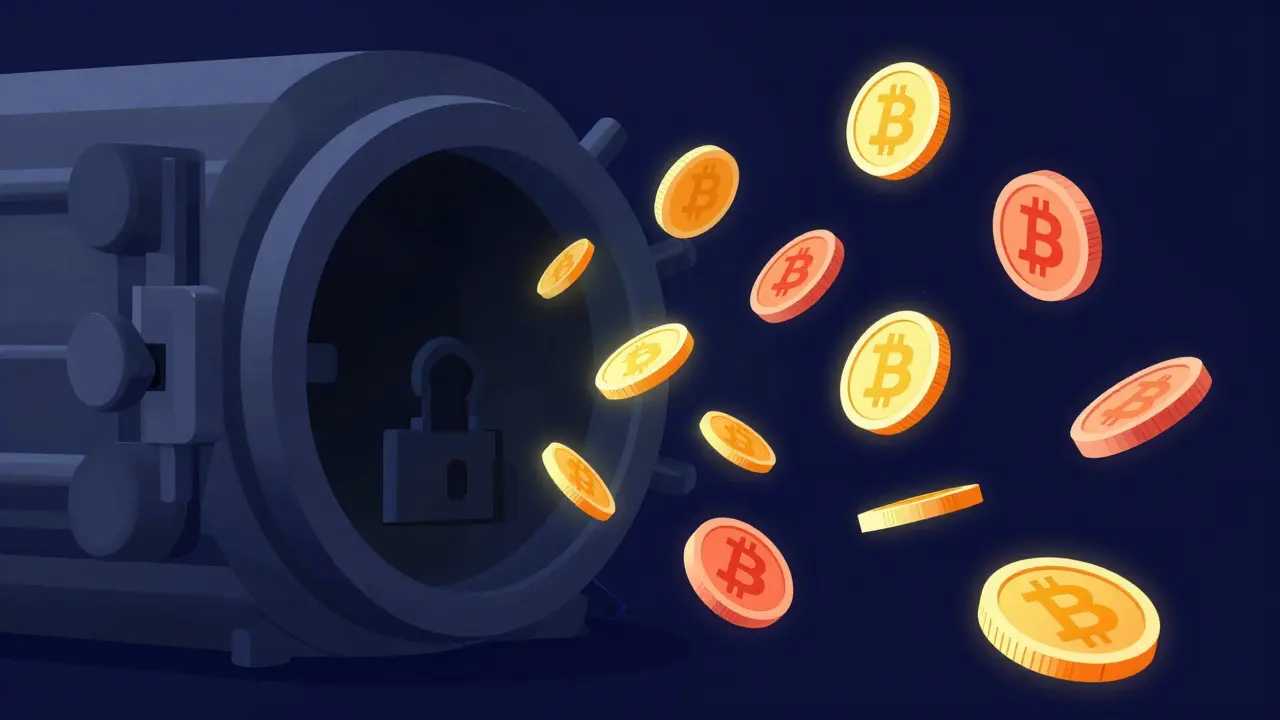
When you hold cryptocurrency, you might hear about tokens being "burned." It sounds dramatic, but it's actually a routine part of how many blockchain projects manage their supply. Essentially, burning means sending tokens to an address that no one can access. Once those tokens arrive there, they are gone forever. This reduces the total supply, which can theoretically increase the value of the remaining tokens if demand stays the same.
Token Burns are transactions where cryptocurrency tokens are permanently removed from circulation to reduce total supply. This practice became standard after Ethereum implemented EIP-1559 in 2021. Before that, most burns were manual events, but now many networks handle it automatically. Understanding this mechanism is the first step in analyzing a project's long-term health.
Why does this matter to you? If you are investing in a project, knowing how many tokens are being destroyed helps you gauge scarcity. It's like a company buying back its own shares, but on a blockchain, you can verify every single transaction yourself. You don't have to trust a press release; you can look at the code.
Why Tracking Burns Matters for Investors
Tracking these events isn't just for technical geeks. It's a vital part of Tracking Token Burns for any serious investor. When a project burns tokens, they are signaling confidence. They are saying, "We don't need this supply, and we want to make the remaining tokens more valuable." However, not all burns are created equal.
Some projects burn a tiny fraction of their supply every day, while others do massive quarterly burns. The impact on price varies wildly. According to data from 2024, about 78% of the top 100 cryptocurrencies use some form of burning mechanism. This makes it a standard metric, much like market cap or trading volume. If you ignore it, you might miss a key signal about the project's economics.
Consider the difference between automatic and manual burns. Automatic burns happen with every transaction, like on Ethereum. Manual burns are decided by the team, like with Binance Coin. The former is transparent and constant; the latter depends on the team's discretion. Tracking both helps you understand the commitment level of the developers.
Tools and Platforms for Verification
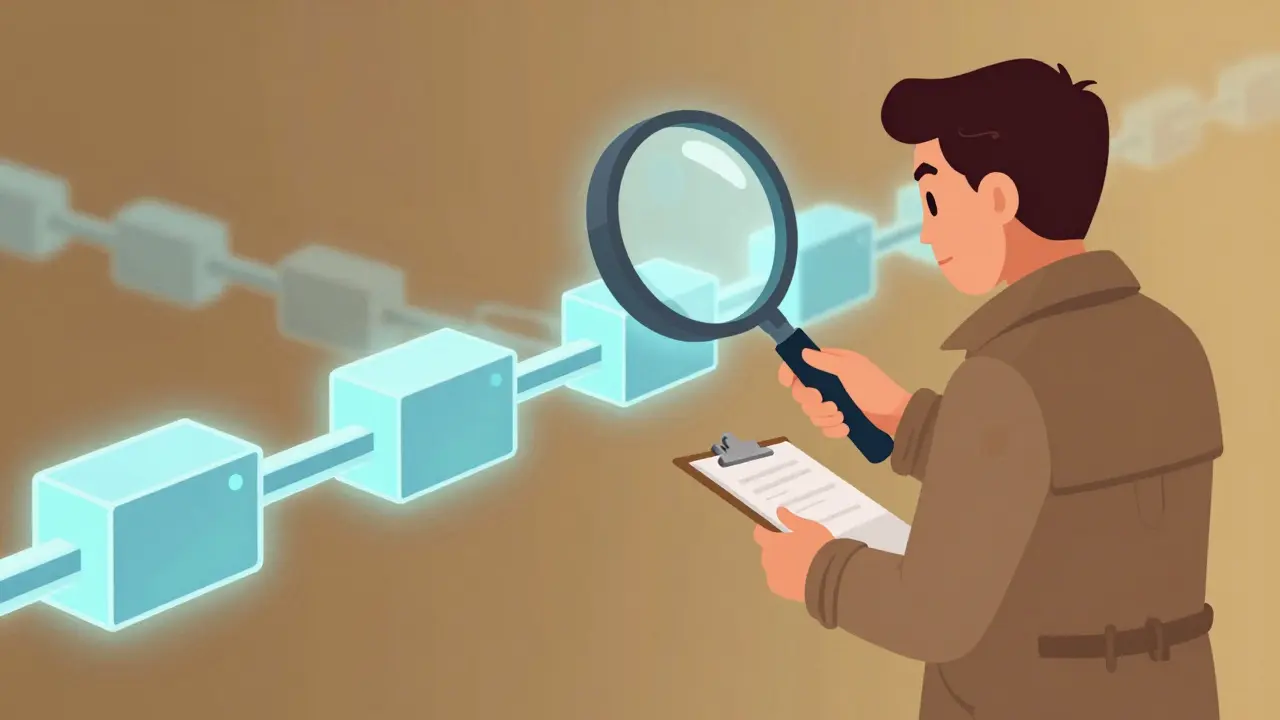
You don't need to be a programmer to verify a burn. Several tools have been built specifically for this purpose. The most common method is using a blockchain explorer. These are websites that show every transaction on a specific network. For Ethereum, Etherscan is the industry standard. It processes millions of queries daily and allows you to search for specific addresses.
There are also specialized platforms. Burned.to aggregates data across multiple chains, tracking over 450 tokens as of 2024. This is useful if you hold assets on different networks and don't want to check each explorer individually. Another option is CoinGecko, which includes burn metrics in its token profiles for many major coins.
| Platform | Best For | Update Speed | Cost |
|---|---|---|---|
| Etherscan | Ethereum & ERC-20 Tokens | Real-time | Free |
| Burned.to | Multi-chain Aggregation | Near Real-time | Free |
| CoinGecko | Market Data & Burns | Hourly | Free |
| BscScan | Binance Smart Chain | Real-time | Free |
Each tool has its strengths. If you are focused on one chain, a dedicated explorer is usually faster. If you manage a portfolio across many chains, an aggregator saves time. The key is consistency. Pick a tool and stick with it so you can build a history of your own observations.
Step-by-Step Guide to Verifying a Burn
Let's walk through how to verify a burn manually. This ensures you aren't relying on third-party claims. First, you need the burn address. Most networks have a standard one. For Ethereum, it is 0x0000000000000000000000000000000000000000. For Binance Smart Chain, it is often 0x000000000000000000000000000000000000dead.
- Go to your preferred blockchain explorer.
- Paste the burn address into the search bar.
- Look at the "Transactions" tab. You will see a list of incoming transfers.
- Check the "Value" column to see how much was sent.
- Verify the "To" address matches the burn address exactly.
If you see a transaction where tokens are sent to this address, and the transaction status is "Success," the tokens are burned. You can click on the transaction hash to see more details, like the sender's address and the timestamp. This level of detail helps you confirm if the burn was done by the project team or by a community member.
Some projects use custom burn addresses instead of the standard zero address. In these cases, you need to check the project's official documentation or GitHub repository. They should publish the public key or address they use for burning. If they don't, be cautious. Transparency is the whole point of this exercise.
Common Pitfalls and Risks
Tracking burns is powerful, but it's not foolproof. One major risk is false positives. Sometimes, users send tokens to a burn address by mistake. They might think they are sending funds to a different wallet but type the wrong characters. These look like burns on the blockchain but aren't intentional supply reductions.
Another issue is privacy blockchains. Networks like Monero hide transaction details. You cannot track burns on these chains using standard explorers because the data is encrypted. This limits the utility of burn tracking for privacy-focused coins. You have to rely on the project's word, which defeats the purpose of on-chain verification.
Then there is the "burn fatigue" phenomenon. Some projects burn tokens constantly to hype up the price, but the fundamental value of the project doesn't improve. As of 2024, research suggested that 67% of burns had negligible price impact beyond 48 hours. Don't fall for the hype. Look at the burn in the context of overall usage and utility.
Scammers also use fake burn claims. They might announce a massive burn but send the tokens to a wallet they control, pretending it's a burn address. This is why you must verify the address yourself. Never trust a screenshot or a news article alone. Always check the blockchain directly.
The Future of Burn Tracking in 2026
As we move through 2026, the tools for tracking burns are getting smarter. In 2024, Ethereum updated its protocol to include better burn verification with beacon chain withdrawals. Now, in 2026, real-time data is standard across most major exchanges and analytics platforms.
Machine learning is starting to play a role. Algorithms can now predict the price impact of a burn based on historical data. This helps traders make faster decisions. However, human oversight is still crucial. Automation can miss context, like a burn happening during a market crash versus a bull run.
Standardization is also improving. Proposals like ERC-6812 aim to create a universal format for burn addresses. This will make it easier for tools to track burns across different chains without needing custom configurations. For now, you still need to know which address to look for on each network.
Institutional investors are also paying more attention. By 2026, nearly 90% of crypto trading algorithms incorporate burn data. This means retail investors who ignore burns might be at a disadvantage. The information is public and free, so using it is a smart way to level the playing field.
Questions About Tracking Token Burns
What is a burn address?
A burn address is a public wallet address where the private key is unknown or inaccessible. When tokens are sent there, they cannot be retrieved, effectively removing them from circulation permanently.
How do I know if a token burn is real?
You verify a burn by checking the blockchain explorer. Look for a transaction sending tokens to the known burn address with a "Success" status. Never rely solely on social media announcements.
Do token burns always increase price?
No. While reducing supply can increase scarcity, price is also driven by demand. If demand drops, the price can fall even with burns. Historical data shows many burns have little immediate price impact.
Can I track burns on privacy coins?
Generally, no. Privacy-focused blockchains like Monero hide transaction details to protect user anonymity, making it impossible to verify burns on-chain.
What is the difference between manual and automatic burns?
Automatic burns happen with every transaction based on code rules, like Ethereum's EIP-1559. Manual burns are decided by the project team and occur at specific intervals, like Binance Coin's quarterly burns.
Next Steps for Your Analysis
If you are ready to start tracking burns, begin with the projects you already hold. Check their documentation to find their burn address. Then, bookmark the relevant blockchain explorer. Make it a habit to check this data before making new investment decisions.
Consider using a spreadsheet to log burn events. Record the date, amount burned, and price at the time. Over time, you will see patterns that help you understand how the market reacts to these events. This data is yours to keep and analyze.
Finally, join communities that discuss tokenomics. Forums and Discord channels often have dedicated channels for burn tracking. Sharing findings with others can help you spot anomalies or confirm trends you might have missed. The more eyes on the data, the better the insights will be.

People Comments
This guide is exactly what I needed to verify my portfolio holdings.
burning tokens is just a trick to make prices go up fake
look at the chain it tells you everything you need to know about the supply dynamics without the noise
lol really :) most people dont know this stuff
Tokenomics require deep dives into the mempool data for accurate assessment.
Too much reading for me.
greaat info thanks for sharing this
The on-chain metrics align with the current market cap adjustments.
It is essential to understand the mechanics behind supply reduction. Many investors overlook the significance of permanent removal. The data is available on the public ledger for everyone. One should verify the address before assuming intent. Scammers often create false narratives about destruction events. Transparency is the only metric that holds weight here. Automated scripts can help aggregate this information efficiently. Manual checks provide a layer of security against errors. The standard zero address is common across many networks. Some chains utilize a dead address for similar purposes. Consistency in tracking allows for better trend analysis. Price action does not always correlate with burn events. Market sentiment plays a larger role in valuation. Long term holders benefit from reduced inflation rates. Due diligence remains the primary responsibility of the investor. You must not trust social media claims alone. Always cross reference with the blockchain explorer directly.
sure and the moon is made of cheese
cool stuff just checking the explorer myself
Verification is mandatory for due diligence.
Ensure you check the transaction status before concluding.
The implications for scarcity are profound and terrifying.
I use a spreadsheet to track the burn events manually.
I understand why this is confusing for new investors.
burns dont matter if the utility is trash
they are watching every transaction you make
This is all just noise in the market.
the hash rate is affecting the burn rate too
people always overhype these burn events for no reason