

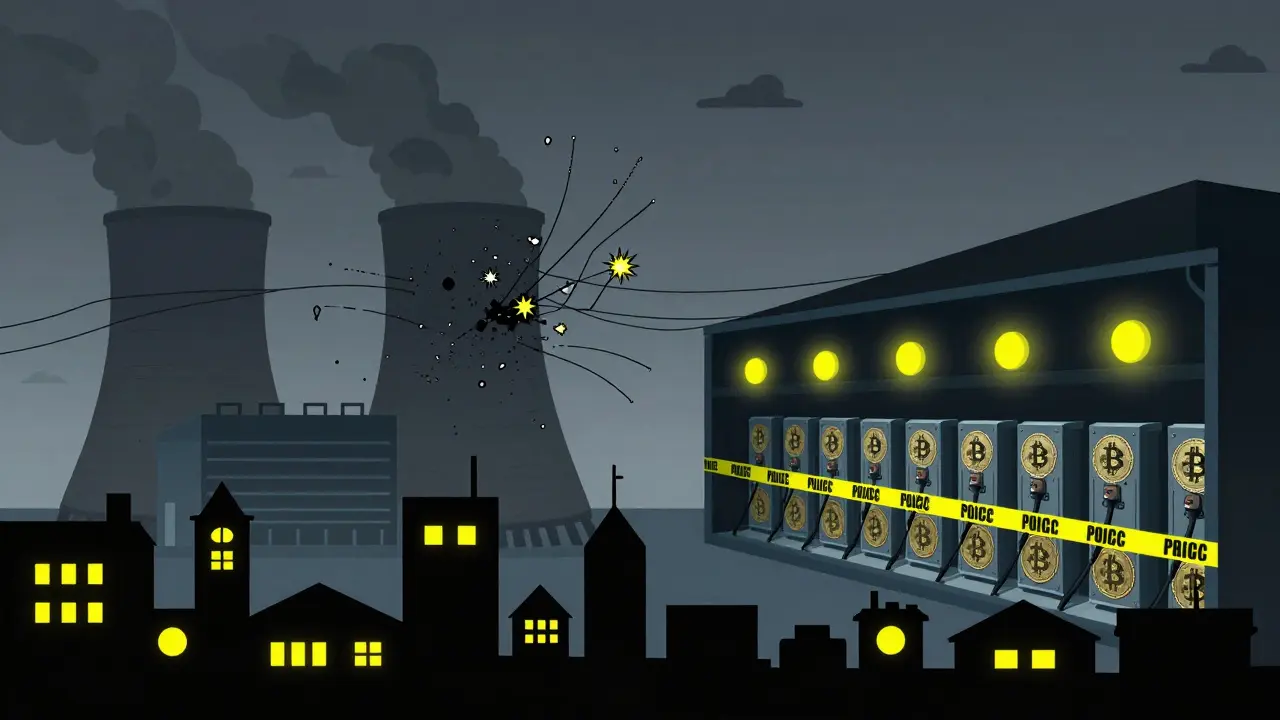
Imagine running a business where your biggest expense-electricity-is practically free. That was the reality for many cryptocurrency miners in Kosovo before 2022. But when the lights started flickering across the country, that free ride came to an abrupt halt. If you are tracking global crypto regulations or wondering why mining operations shifted out of Southeast Europe, the story of Kosovo’s ban is the key case study.
In January 2022, the government didn't just raise prices; they pulled the plug entirely. This wasn't a gradual policy shift. It was an emergency response to a national power collapse. Today, in 2026, the rules have evolved from a blunt ban into a complex regulatory framework. Understanding this shift helps you see how energy security trumps digital profit margins when the grid is on the brink.
The Spark: Why Kosovo Banned Mining Overnight
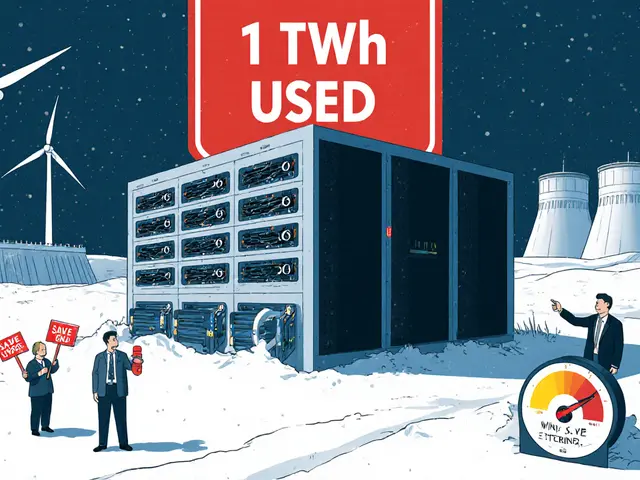
To understand the ban, you have to look at the state of the grid in late 2021. Kosovo relies heavily on coal-fired power plants. When one of the two main plants shut down for repairs, the entire country faced a severe deficit. The government declared a 60-day state of emergency. People were rationing electricity. Hospitals and schools were prioritized. Meanwhile, data centers and home setups were burning through megawatts to mine Bitcoin.
Acting Economy Minister Artane Rizvanolli acted fast. On January 4, 2022, she issued a decree banning all cryptocurrency mining across the republic. The logic was simple arithmetic: the grid couldn't handle the load. Miners were consuming a disproportionate amount of the available supply, often without paying fair market rates for that power. In some northern enclaves, miners were reportedly earning up to €2,000 a month while paying little to nothing for electricity. That disparity fueled public anger.
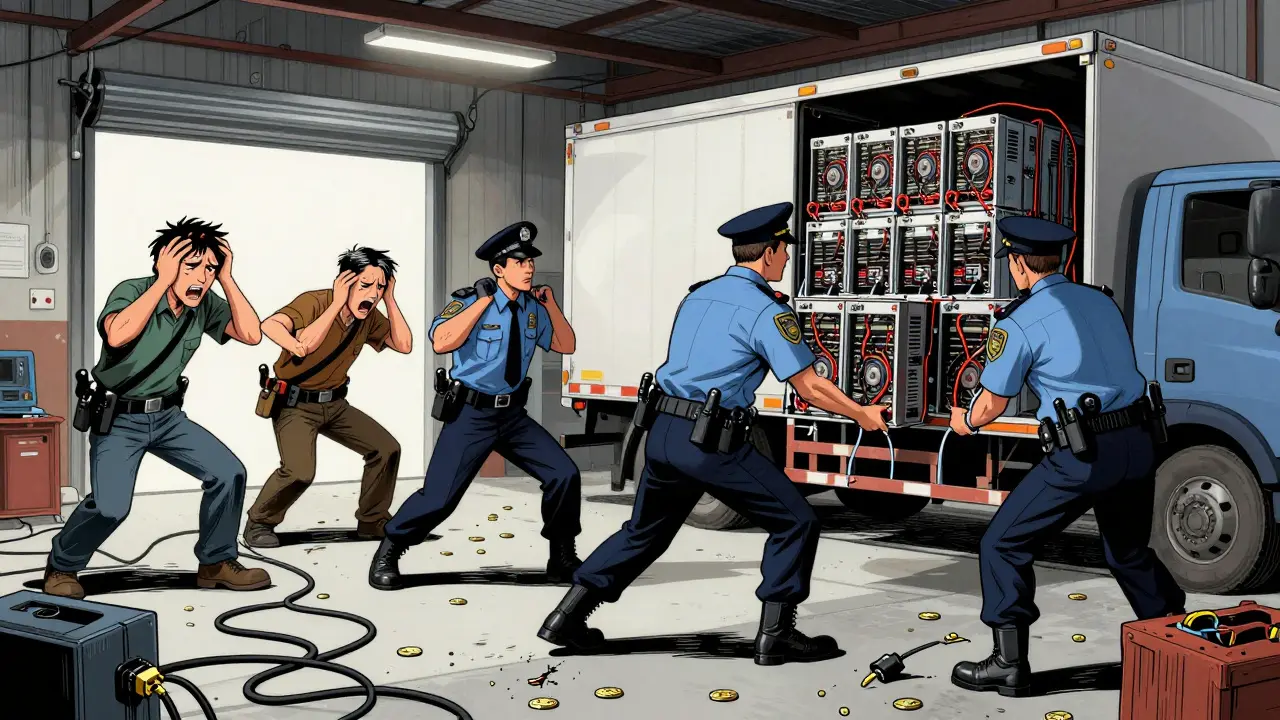
The enforcement was immediate and aggressive. Police raided homes and warehouses, confiscating hundreds of ASIC miners. These devices, worth between €20,000 and €30,000 each, were seized on the spot. For the local community, it was devastating. Many had invested their life savings into hardware, banking on cheap energy. For the state, it was a necessary triage to keep the lights on for essential services.
From Ban to Regulation: The 2026 Legal Landscape
If you think the ban is still total, you might be operating on outdated information. By 2025 and into 2026, the approach has softened but tightened in different ways. The absolute prohibition remains for anyone drawing power from the universal public grid. You cannot plug a miner into the wall if that wall is connected to Kosovo’s national network.
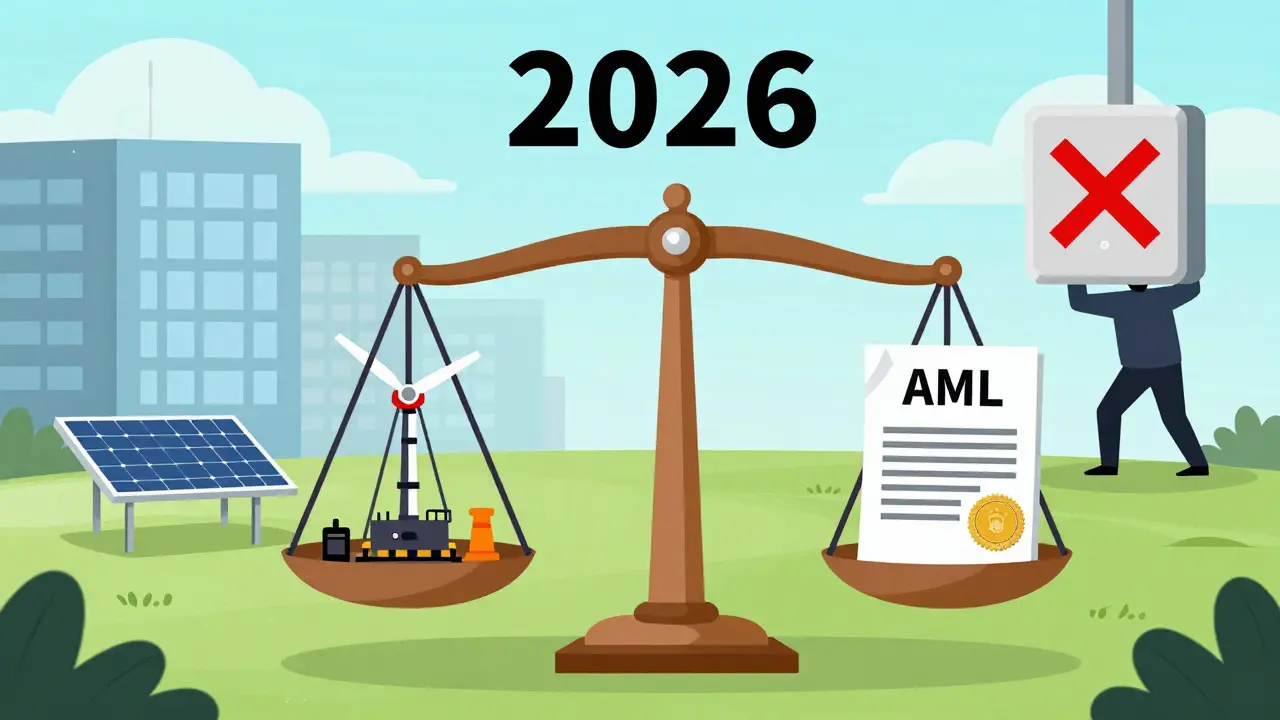
However, a new door has opened. Mining is now permitted if you use alternative energy sources. This means solar panels, wind turbines, or private generators that do not draw from the strained public infrastructure. This shift reflects the advice of Mimoza Kusari-Lila, who led the parliamentary working group on digital assets. The goal isn't to kill the industry, but to decouple it from the national energy crisis.
| Aspect | January 2022 (Emergency) | 2026 (Current Framework) |
|---|---|---|
| Status | Total Ban | Conditional Permit |
| Power Source | All sources prohibited | Public grid banned; Alternative energy allowed |
| Enforcement | Police raids, asset seizure | Regulatory compliance, taxation checks |
| Legislation | Executive Decree | Draft Law (90% complete, EU review) |
This nuance matters for investors. It signals that Kosovo wants the tax revenue and economic activity of crypto, but only if it doesn't cost them blackouts. The draft law, which has been in development since 2021, aims to formalize this. It requires verification of imported equipment and strict monitoring of transactions to prevent money laundering.
The Money Laundering Hurdle
You can't talk about Kosovo's crypto future without mentioning the European Commission. The draft legislation has hit delays because Brussels stepped in. Two advisers were sent to Pristina to ensure the laws meet international anti-money laundering (AML) standards. This is critical because Kosovo seeks closer ties with the EU, including potential visa liberalization and trade benefits.
Jeta Statovci, vice-president of the relevant parliamentary committee, noted the law was nearly finished, but these AML clauses are non-negotiable. For miners, this means more paperwork. It’s no longer enough to just have solar panels. You need to prove your funds are clean, your equipment is registered, and your taxes are paid. This raises the barrier to entry. The days of anonymous basement miners are over. The future belongs to compliant, commercial entities.
Global Context: Is Kosovo Alone?
Kosovo isn't acting in a vacuum. Its move mirrors a global trend where energy security clashes with Proof of Work (PoW) consensus mechanisms. China banned mining in 2021 after hosting nearly 75% of the world's hash rate. Other countries like Algeria, Iran, and Ecuador have implemented similar restrictions.
The environmental argument is strong here. Studies from the University of Cambridge show that only 39% of Bitcoin mining uses renewable energy. The rest comes from fossil fuels. In Kosovo, where coal dominates the grid, mining was essentially amplifying carbon emissions during a climate-vulnerable period. The ban was as much an environmental statement as an economic one.
For the global crypto community, Kosovo serves as a warning. Regulatory risk is real. Governments will prioritize physical infrastructure stability over digital asset speculation. If your operation depends on subsidized or unstable power, you are vulnerable to sudden policy shifts.
What This Means for Miners and Investors
If you are considering setting up operations in Kosovo or the Balkans, the message is clear: self-sufficiency is mandatory. You cannot rely on the grid. Investing in solar arrays or hydroelectric access is now part of the core business model. Additionally, expect rigorous scrutiny on financial flows. The government is watching for illicit activities, so transparency is your best defense.
For existing holders of mining hardware in the region, the window for casual mining has closed. You either upgrade to independent energy systems and navigate the new tax regime, or you exit. The economic disruption of 2022 forced many to sell off equipment at a loss. Those who stayed and adapted are now positioning themselves in a more mature, albeit stricter, market.
The evolution from a panic-driven ban to a structured regulatory framework shows resilience. Kosovo recognized the economic value of crypto but refused to let it destabilize the nation's power supply. This balance act continues in 2026, with the final passage of the comprehensive law pending. Until then, operate cautiously, verify your energy source, and stay compliant with emerging AML rules.
Is cryptocurrency mining completely illegal in Kosovo in 2026?
No, it is not completely illegal. However, it is strictly prohibited if you use electricity from the public national grid. Mining is permitted only if you utilize alternative energy sources such as solar, wind, or private generators that do not draw from the state infrastructure.
Why did Kosovo ban crypto mining in 2022?
The ban was an emergency measure due to a severe energy crisis. One of the country's main coal power plants shut down, causing widespread shortages. Miners were consuming excessive amounts of subsidized electricity, straining the grid further. The government prioritized essential services like hospitals and homes over crypto operations.
What happens if I mine using the public grid in Kosovo?
If you are caught mining using the public grid, your equipment will likely be confiscated by police, and you may face legal penalties. The regulation is enforced strictly to protect the national energy supply. Authorities conduct raids and monitor consumption patterns to identify unauthorized mining activities.
How does the European Commission influence Kosovo's crypto laws?
The European Commission is reviewing Kosovo's draft cryptocurrency legislation to ensure it meets international anti-money laundering (AML) standards. This oversight is crucial for Kosovo's broader goals of EU integration. Delays in passing the law are partly due to ensuring these compliance measures are robust enough to satisfy Brussels.
Can I import mining equipment into Kosovo legally?
Yes, but the upcoming legislation will require verification and registration of imported mining equipment. The goal is to bring the industry under governmental control, ensuring that all hardware is accounted for and taxed appropriately. Always check the latest customs and regulatory guidelines before importing high-value electronics.