


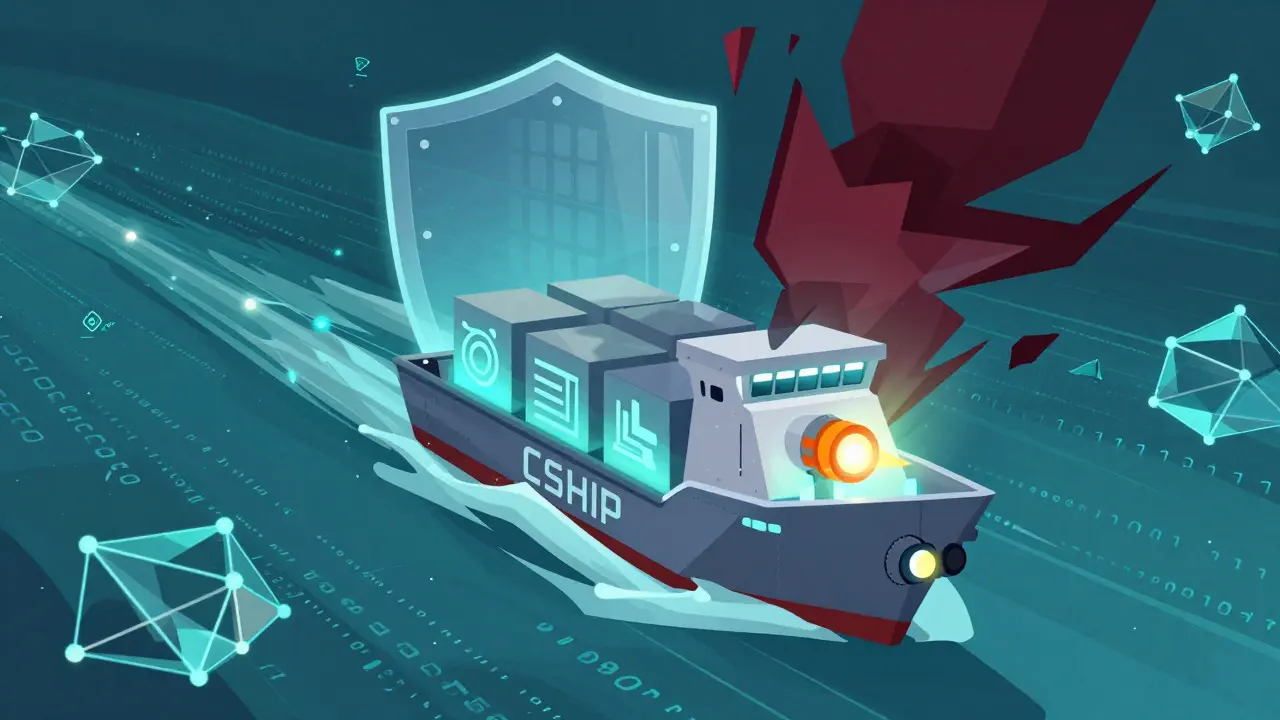
Waiting for a specific token drop can be frustrating when the official channels stay quiet. If you are looking for concrete details on the CSHIP airdrop from the CryptoShips campaign, you might have hit a wall of silence or conflicting rumors. The reality is that as of August 2026, verified public data regarding this specific distribution event remains sparse in major financial databases and search indexes. This guide breaks down what we know, how to verify if the project is legitimate, and what steps you should take right now to protect your wallet while staying in the game.
Understanding the CSHIP Token and Project Context
To understand the airdrop, you first need to grasp what the underlying asset is. CryptoShips appears to be a decentralized project focused on logistics or shipping within the blockchain space, utilizing its native token, CSHIP, for utility and governance. In the broader ecosystem, tokens like these often serve as fuel for smart contracts or rewards for early community members. Unlike stablecoins which peg to fiat currency, CSHIP likely operates as a volatile growth asset tied to the success of the platform's adoption.
The term "Campaign" in the title suggests this isn't just a random giveaway. It implies a structured marketing effort designed to drive liquidity, user acquisition, or brand awareness. Typically, such campaigns involve tiered rewards based on social media engagement, testnet usage, or holding other compatible assets. However, because detailed whitepapers or official announcements are currently limited in public search results, caution is advised. Always cross-reference any claim with the project's official Discord or Telegram channels before acting.
How to Verify Legitimacy Before Participating
One of the biggest risks in the current crypto landscape is falling victim to fake airdrops. Since information on CSHIP is not yet widely indexed by major aggregators, you must do your own detective work. Here is a practical checklist to ensure you aren't interacting with a scam contract:
- Check the Contract Address: Never enter a seed phrase into a website. Instead, find the official CSHIP contract address on a trusted explorer like Etherscan (if Ethereum-based) or BscScan. Compare it with what is posted in the official community chat.
- Verify Social Proof: Look at the activity on their Twitter and Discord. Are real developers posting updates, or is it just bots? Check the follower count growth rate; sudden spikes without content usually indicate paid promotion or scams.
- Look for Audit Reports: Reputable projects undergo security audits by firms like CertiK or Hacken. Search for an audit report specifically for the CSHIP smart contract. If none exists, assume higher risk.
- Community Sentiment: Join the official Discord server. Read the last 50 messages. If everyone is asking "when is the TGE?" but no admin replies, that's a red flag. Healthy projects have active moderators answering questions.
Typical Eligibility Criteria for Campaign Airdrops
While specific rules for the CryptoShips campaign are still emerging, most successful airdrops in 2025-2026 follow similar patterns. You can use these common criteria to prepare your wallet and profile:
- Testnet Participation: Many projects reward users who helped stress-test their network before mainnet launch. If CryptoShips had a testnet phase, check if you interacted with their dApp during that period.
- Social Task Completion: Platforms like Galxe or Zealy often host these tasks. Common requirements include following the project on X (Twitter), joining the Discord, and retweeting key announcements.
- Holding Requirements: Some campaigns require you to hold a minimum amount of the project's partner token or a stablecoin (like USDC) for a specific duration, known as a lock-up period.
- Snapshot Date: There is almost always a specific block height or date when the team takes a snapshot of eligible wallets. Missing this date means missing the airdrop entirely.

Step-by-Step Guide to Claiming Your Allocation
Once the official claim window opens, speed matters. Here is how to execute the process safely and efficiently:
- Connect Wallet Securely: Use a hardware wallet if possible, or a dedicated software wallet that you haven't used for high-value transactions. Avoid using your main hot wallet for initial claims if the project is unproven.
- Approve Transaction Carefully: When you click "Claim," your wallet will ask for approval. Check the gas fees. If the fee is unusually high (e.g., over $50 on Ethereum mainnet for a simple transfer), double-check the recipient address.
- Wait for Confirmation: Do not close the browser tab immediately after signing. Wait for the transaction hash to appear on the blockchain explorer. Copy this hash for your records.
- Verify Receipt: Go to the token tracker on your preferred exchange or portfolio app. Ensure the CSHIP tokens appear in your balance. If they don't show up immediately, wait 10-15 minutes for the indexers to update.
Tax Implications and Record Keeping
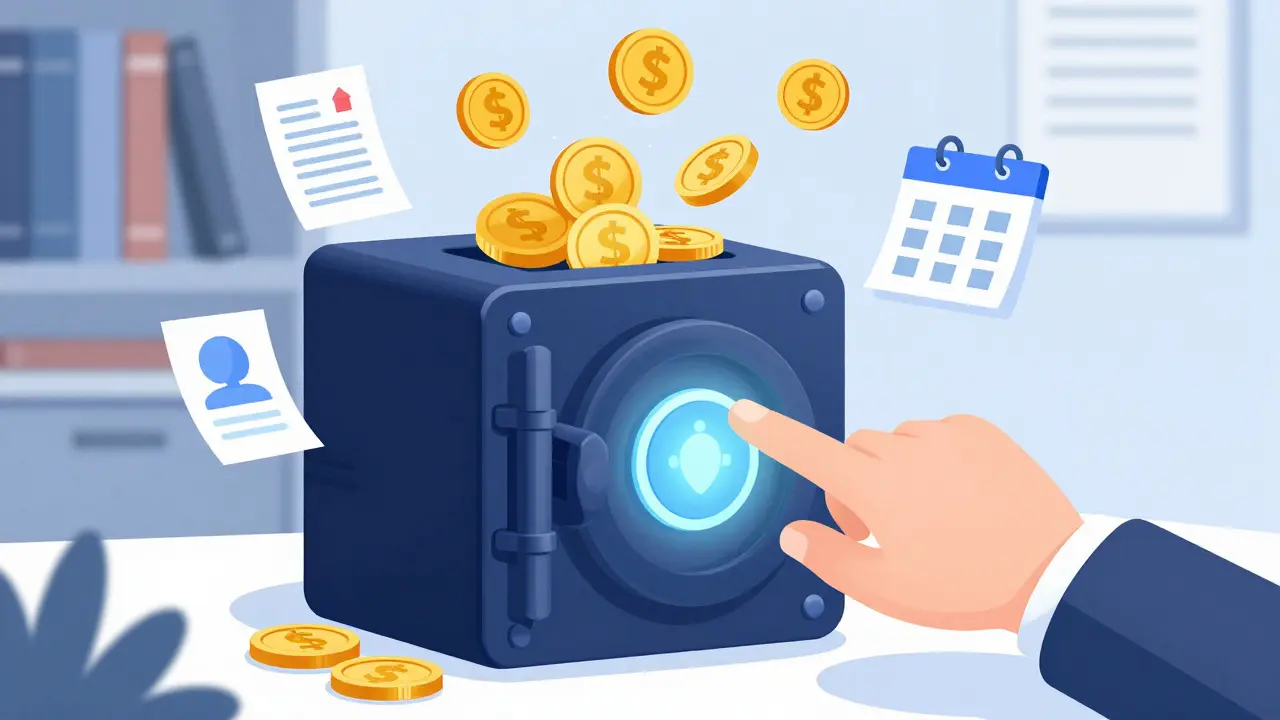
Many people forget that airdrops are taxable events in many jurisdictions, including New Zealand and the US. Under general tax principles, the fair market value of the token at the time of receipt is considered income. Keep a record of the exact date and time you claimed the tokens, along with the price per token at that moment. This data is crucial for calculating capital gains later when you sell. Failure to report airdrop income can lead to penalties during an audit. Consult with a local tax professional who specializes in digital assets to ensure compliance.
Common Pitfalls to Avoid
Even experienced investors make mistakes during airdrop seasons. Avoid these traps:
- Re-entering Seed Phrases: A legitimate airdrop site will never ask for your 12 or 24-word recovery phrase. If a popup asks for it, close the tab immediately.
- Ignoring Gas Limits: Set a reasonable gas limit to prevent front-running bots from squeezing your transaction out of the block, especially during high congestion periods.
- Assuming Instant Liquidity: Newly launched tokens often have trading locks or vesting schedules. Don't expect to sell everything at the top minute unless the project explicitly states otherwise.
What to Do If Information Remains Scarce
If you cannot find definitive proof of the CSHIP campaign's legitimacy after checking the sources above, consider taking a passive approach. Monitor the project's official social media accounts for a "TGE" (Token Generation Event) announcement. Often, the final details, including the exact claim link and eligibility snapshot, are released 24-48 hours before the live event. Setting up alerts for keywords like "CryptoShips" and "CSHIP" on crypto news aggregators can help you catch breaking news faster than manual searching.
Is the CSHIP airdrop guaranteed?
No airdrop is guaranteed until the team publishes a final snapshot and claim link. Until then, treat all rumors as speculative. Verify every step through official project channels to avoid scams.
Do I need to pay gas fees to claim CSHIP?
Yes, typically you need to pay the network gas fee to move the tokens from the project's contract to your wallet. The cost depends on the network (Ethereum, BNB Chain, etc.) and current congestion levels.
Where can I trade CSHIP after claiming?
Initially, you may need to swap it on a Decentralized Exchange (DEX) like Uniswap or PancakeSwap. Later, it might list on Centralized Exchanges (CEXs) like Binance or Coinbase, depending on its performance and regulatory approval.
What happens if I miss the snapshot date?
You generally lose eligibility for that specific round. However, some projects run multiple phases or secondary campaigns. Keep an eye on their announcements for future opportunities.
Is CSHIP available on major exchanges yet?
As of mid-2026, availability on major centralized exchanges is limited. Most trading occurs on DEXs. Check the official project website for the latest listing announcements.


People Comments
Oh, the sheer audacity of these projects to stay silent while the community burns! It is truly a moral failing that they hide behind 'technical difficulties' when it is likely just another rug pull in waiting. We are all so gullible, aren't we? Just standing there with our wallets open like lambs to the slaughter. The lack of transparency is not just annoying; it is an insult to our intelligence and our capital. I simply cannot believe anyone still falls for this 'decentralized logistics' nonsense without seeing a single audit report. It is time we stopped being so passive and started demanding accountability from every single token team that dares to touch our money. Until then, keep your seed phrases locked in a vault and your eyes wide open.
I think the best thing to do here is just wait it out. Sometimes projects need time to get their systems right. If you check the discord regularly you will see if the devs are actually posting or if it is just bots talking to themselves. I have seen too many people panic sell before the real news comes out. Just keep your wallet safe and do not click on any random links. Patience is key in crypto. It is a long game anyway.
Let’s be real, folks: the alpha here is buried under a mountain of FUD and lazy research. Most of you are looking at surface-level metrics while missing the underlying liquidity depth signals that scream 'scam'. The CSHIP contract looks like a textbook honeypot setup to my trained eye-check the tax-on-transfer flags if you haven’t already. You’re all dancing around the obvious red flags because admitting you might have been rekt feels worse than just ignoring the data. Stop pretending this is a legitimate campaign until the vesting schedule is public. The market doesn’t care about your feelings; it cares about exit liquidity. Wake up.
It is fascinating, isn’t it?, how the global crypto space operates?!, really quite chaotic! In the UK, we tend to be a bit more cautious with our investments, don’t you think?? But then again, who can blame anyone for getting excited?! The potential rewards are certainly tempting, however, the risks are undeniably high!! One must always verify the sources, yes?? Perhaps checking the official whitepaper would be a good start?! It is a delicate balance between opportunity and caution, indeed!
It seems like a reasonable approach to wait for the snapshot date before making any major moves. Historically, early claims often lead to higher gas fees and increased risk of smart contract exploits. By observing the first wave of claimants, you can gauge the stability of the network and the behavior of the team. This aligns with the broader philosophical principle of prudence in uncertain environments. It is better to miss a small gain than to lose a significant portion of your portfolio due to haste. Let us remain respectful of the process and trust that the information will clarify as the launch approaches.
You guys need to stop overthinking the social proof metrics! The real signal is in the testnet interaction data. If you were active on the beta, your wallet address is already whitelisted in the backend registry. Check your tx history for specific contract interactions during Q1. That is where the true eligibility lies, not in retweeting some bot account. Get your gas limits optimized now so you are ready to strike fast when the window opens. Do not let hesitation cost you the allocation. This is your moment to capitalize on the early adoption curve. Stay sharp and stay technical!
So, let me guess, you all checked the contract address? Or are we just gonna pretend that 'vibes' are a valid security protocol? Because last time I checked, vibes didn't pay the electric bill. If the Discord is full of people asking 'when' and no one answering, that's not a mystery, that's a ghost town. Don't be the guy who connects his main wallet to a site that looks like it was built by a drunk teenager. Use a burner wallet. It takes five minutes. Save yourself the heartbreak.
honestly i just dont get why everyone is so stressed about this. its just tokens. if its legit it will show up, if its not well you saved yourself the gas fee. i usually just set a calendar reminder and forget about it till the day comes. works for me so far. no need to stress out over something that might not even happen.
One must acknowledge, of course, that the general public is rarely equipped to handle such complex financial instruments, which is precisely why they should leave it to the professionals... but since you insist on playing, perhaps you should at least read the fine print? It is rather tedious, I know, but ignorance is truly the only sin here. I suppose you will continue to ignore the subtle warnings embedded in the tokenomics, but try not to blame the experts when the inevitable correction occurs. It is all very exhausting, watching others make mistakes that could have been easily avoided with a modicum of diligence.
In the grand scheme of digital asset distribution, this particular instance appears somewhat... underwhelming. One observes a lack of rigorous academic backing for the utility claims, which is rather disappointing for a project claiming such sophistication. Nevertheless, for those inclined towards speculative ventures, the risk-reward ratio remains theoretically intact, provided one exercises adequate due diligence. It is, after all, a matter of personal preference and risk tolerance. Do feel free to proceed, but do so with the understanding that the market is inherently unpredictable and often unforgiving of the unprepared.
It is a moral imperative to ensure that these 'campaigns' are not merely vehicles for insider enrichment at the expense of the retail investor. The silence from the developers is deafening, and one must ask: where is the accountability? Where is the clear communication? Until these questions are answered, participation should be viewed with extreme skepticism. We have a duty to protect ourselves from predation in this wild west of finance. Do not let greed cloud your judgment. Verify everything. Trust nothing. Act accordingly.
This is exactly what I meant when I said the global elites are using crypto to bypass US regulations! Look at this 'shipping' project, clearly a front for moving value off-chain. They want to drain our wallets while we argue about gas fees. The government knows, they just don't tell us. Keep your eyes on the DEX volume, it's all fake liquidity pumped by insiders. America needs to wake up and realize that unless it's listed on Coinbase, it's a trap. Don't let them fool you with this tech jargon. It's all about control.
The path to wealth is paved with discipline, not speculation. Many fail because they lack the mental fortitude to wait for certainty. Observe the pattern. Wait for the signal. Then act. There is no room for emotion in trading. Only logic. Only patience. Those who rush will be left behind. Those who wait will prevail. Remember this.
Just wanted to chime in to say that the step-by-step guide in the post is super helpful! I was worried about the gas fees part, but knowing to check the recipient address carefully gives me peace of mind. Also, keeping a record of the timestamp for taxes is something I totally forgot about. Thanks for the reminder! 😊
THE DRAMA IS REAL! Who else is tired of these 'silent' campaigns? It is an insult to our time! We deserve better than vague promises and empty tweets! The American spirit of innovation demands clarity, not confusion! If they want our capital, they better show up and deliver! No more games! Let's hold them accountable! The future of shipping is here, but only if we force them to perform! Stand tall and demand results!
It’s interesting to consider how much of this uncertainty stems from the inherent opacity of blockchain networks. While the data is there, interpreting it requires a certain level of technical literacy that not everyone possesses. However, as the ecosystem matures, tools for verification will become more accessible and user-friendly. For now, staying informed and patient is probably the best strategy. 🧠✨