


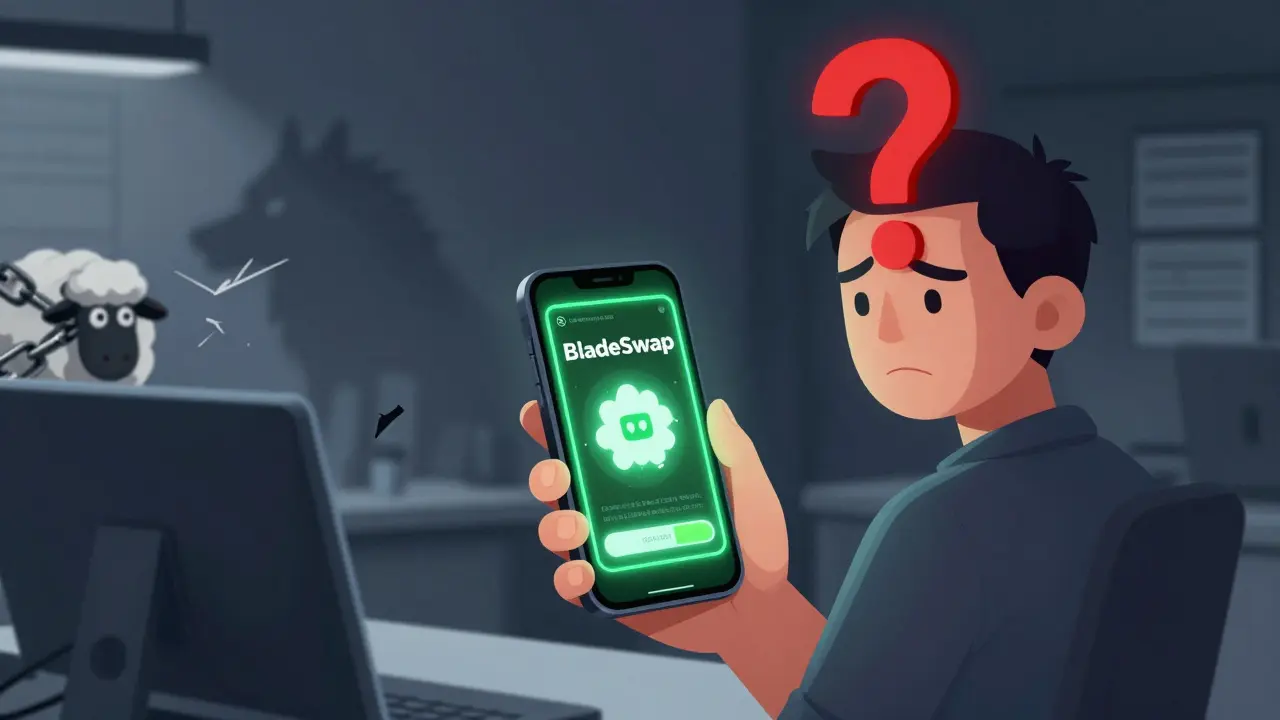
Have you seen ads for BladeSwap promising high returns on the BLADE token? Before you send any money, stop. The short answer is that BladeSwap is not a standard cryptocurrency exchange like Coinbase or Binance. It is likely a decentralized platform associated with a specific token project, and it carries significantly higher risks than established exchanges.
In this review, we break down what BladeSwap actually is, where the confusion comes from, and why you need to be extremely cautious. We will look at the available data, the red flags in user feedback, and how it compares to safe alternatives. If your goal is to trade crypto safely in 2026, understanding the difference between a regulated exchange and a speculative token platform is critical.
What Is BladeSwap? Defining the Entity
First, let’s clear up a major point of confusion. Many users search for "BladeSwap exchange" expecting a centralized platform where they can deposit fiat currency (like USD or NZD) and buy Bitcoin. That is not what BladeSwap is.
BladeSwap is primarily associated with the BLADE token, often operating within the ecosystem of decentralized finance (DeFi). Unlike centralized exchanges (CEXs) that hold your funds in custody, platforms like BladeSwap typically function as automated market makers (AMMs) or liquidity pools. This means you interact directly with smart contracts on a blockchain, usually Ethereum or a Layer-2 solution.
The lack of clear founding details, official corporate documentation, or a verifiable team behind the brand is a significant warning sign. In the world of crypto, anonymity isn't always bad, but combined with vague operational structures, it increases risk. You are not just trading a coin; you are trusting code that may not be audited by reputable firms like CertiK or OpenZeppelin.
Safety and Security: The Biggest Red Flag
When evaluating any crypto platform, security is non-negotiable. Established exchanges like Kraken or Crypto.com invest millions in cold storage, multi-signature wallets, and insurance funds. They undergo regular security audits and comply with strict regulatory standards.
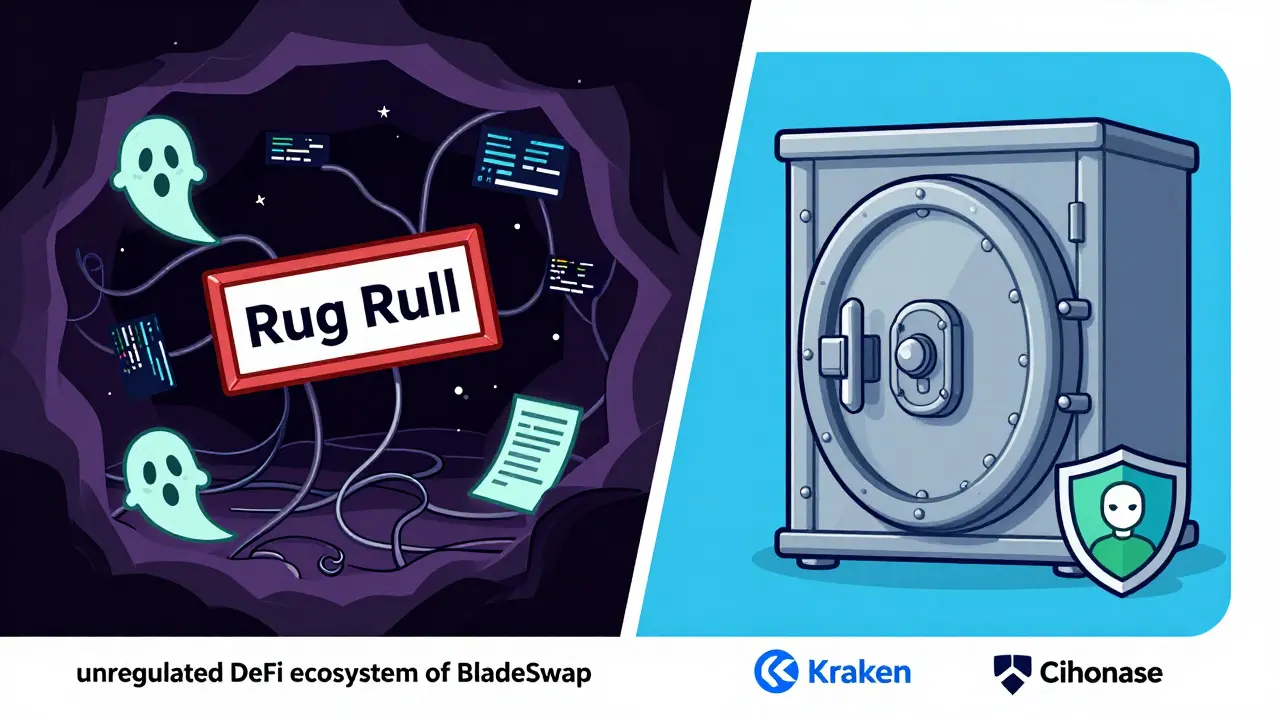
BladeSwap lacks this infrastructure. There is no public record of third-party security audits for its core smart contracts. Without an audit, there is no guarantee that the code doesn’t contain backdoors that could allow developers to drain liquidity-a common tactic in "rug pull" scams.
- No Custodial Insurance: If BladeSwap gets hacked, there is no insurance fund to reimburse you.
- Smart Contract Risk: Bugs in the code can lead to total loss of funds.
- Lack of KYC/AML: While privacy is good, the absence of Know Your Customer (KYC) procedures often means the platform operates in regulatory gray areas, making it harder to recover funds if fraud occurs.
User reviews on platforms like G2 mention a "user-friendly interface," but also note limited regional support due to legal restrictions. This suggests the platform may be actively blocking users from jurisdictions with strong financial regulations, which is another red flag for legitimacy.
Fees and Trading Costs: Hidden Costs in DeFi
If you do decide to use BladeSwap, you won’t pay traditional "trading fees" in the same way you would on Binance. Instead, you face different costs inherent to decentralized exchanges.
| Fee Type | BladeSwap (DeFi) | Kraken/Crypto.com (CEX) |
|---|---|---|
| Trading Fee | 0.3% - 1% per swap (varies by pool) | 0.1% - 0.26% maker/taker |
| Network Gas Fees | Paid in ETH (can be $5-$50+) | N/A (Included in spread) |
| Deposit Fee | Network transaction fee | $0 - $10 (depending on method) |
| Withdrawal Fee | Network transaction fee | Fixed network fee + service charge |
Notice the "Gas Fees." On BladeSwap, every interaction requires a transaction on the blockchain. During peak times, these fees can exceed the value of your trade. On a centralized exchange, these costs are absorbed by the company. For small trades, BladeSwap is economically inefficient.
Token Volatility and Price Predictions
A lot of interest in BladeSwap stems from price predictions for the BLADE token. Sources like SwapSpace and MEXC have provided conflicting forecasts. Some analysts predicted a range of $0.012 to $0.016 in 2025, while others suggested stagnation around $0.001.
This contradiction highlights the speculative nature of the asset. Unlike Bitcoin or Ethereum, which have broad institutional adoption, tokens like BLADE rely heavily on community hype and liquidity depth. If the liquidity pool dries up, the price can crash to zero instantly. There is no underlying cash flow or revenue model supporting the token’s value, only speculation.
Remember: High potential returns always come with high potential losses. Never invest more than you can afford to lose entirely.
Regulatory Compliance and Legal Risks
In 2026, regulatory scrutiny on crypto is tighter than ever. Platforms like Bitpanda in Europe or Coinbase in the US operate under strict licenses. They report taxes, prevent money laundering, and protect consumer rights.
BladeSwap appears to operate without these safeguards. User feedback indicates it "isn't supported in many regions." This is likely because the platform cannot meet local compliance requirements. Using such a platform exposes you to legal risk. If authorities crack down on unregistered exchanges, your funds could be frozen or seized. Additionally, you have no recourse to customer support if something goes wrong.
Alternatives: Safer Places to Trade Crypto
If you are looking for a reliable place to trade cryptocurrencies, consider these established alternatives:
- Kraken: Best for advanced traders. Offers low fees, high security, and supports over 410 cryptocurrencies. Ideal if you want margin trading and futures.
- Crypto.com: Best for beginners. User-friendly app, low costs, and robust security features. Great for buying major coins with ease.
- Bitpanda: Best for European users. Regulated, intuitive, and offers educational resources. Perfect for those who prioritize compliance and simplicity.
These platforms offer peace of mind that BladeSwap simply cannot match. They have transparent fee structures, responsive customer support, and proven track records.
Is BladeSwap a legitimate exchange?
BladeSwap is not a traditional centralized exchange. It is a decentralized platform associated with the BLADE token. While it may function technically, it lacks the regulatory compliance, security audits, and customer protection of legitimate exchanges like Kraken or Coinbase. Proceed with extreme caution.
Can I trust BladeSwap with my money?
You should not trust BladeSwap with significant amounts of money. Without third-party security audits and insurance, your funds are vulnerable to smart contract exploits and rug pulls. Only use it if you fully understand DeFi risks and can afford to lose everything.
What are the fees on BladeSwap?
BladeSwap charges trading fees (typically 0.3%-1%) plus blockchain gas fees. Gas fees can be expensive during network congestion, making small trades uneconomical. Centralized exchanges often have lower overall costs for average users.
Why is BladeSwap not available in my country?
BladeSwap likely restricts access in regions with strict financial regulations. This is a common practice for unregulated DeFi platforms to avoid legal liability. It indicates the platform does not comply with local consumer protection laws.
Is the BLADE token a good investment?
The BLADE token is highly speculative. Price predictions vary wildly, and there is no fundamental value driver like utility or revenue. Investing in BLADE should be considered high-risk gambling, not a stable investment strategy.
Final Verdict: Who Should Avoid BladeSwap?
If you are new to crypto, BladeSwap is not for you. The complexity of wallet management, gas fees, and smart contract risks makes it unsuitable for beginners. Even experienced traders should limit exposure to such platforms.
For most users, sticking to regulated exchanges like Kraken, Crypto.com, or Bitpanda is the smarter choice. They offer security, support, and transparency. BladeSwap remains a niche, high-risk platform best avoided unless you have a specific, advanced reason to interact with the BLADE token ecosystem.


People Comments
look i get the hype around new tokens but you really need to understand how AMMs work before touching this stuff
the article is right about the gas fees being a killer for small trades
i tried swapping on uniswap once when eth was congested and paid more in gas than the trade was worth
blade swap seems even riskier because there is no audit trail
if you are just starting out stick to kraken or coinbase
they handle the custody so you dont have to worry about smart contract bugs draining your wallet
it is not sexy but it keeps your money safe
everyone here is acting like regulated exchanges are the only way
decentralization is the point
you give up control to gain freedom
blade swap might be risky but at least you own your keys
kraken can freeze your account whenever they want
i prefer taking the risk on code i can inspect rather than trusting a corp that reports to the SEC
plus the yields on liquidity pools are insane compared to holding spot on binance
owning your keys is great until the code has a backdoor
you said you can inspect the code but most people cant read solidity
so they are just gambling anyway
and yes kraken freezes accounts but they also insure against hacks
if blade swap gets rug pulled you get nothing
there is no insurance fund
its not freedom if you lose everything to a bug
absolute nonsense
this entire post is fear mongering designed to keep you in the fiat cage
blade swap is perfectly fine for those who know what they are doing
the fact that it lacks KYC is a feature not a bug
why should you need permission to trade
the regulators are just trying to stifle innovation
i have made ten times my investment on similar platforms
stop whining about risks and take action
i feel like we are all missing the main point here which is safety
please please do not put money into something you do not fully understand
i lost money on a meme coin last year and it took me months to recover emotionally
blade swap sounds too complicated for me
i just want to buy some bitcoin and hold it
maybe try crypto.com instead
it feels much safer and the app is easy to use
your peace of mind is worth more than potential high returns
lol look at these bots defending the establishment 😂
blade swap is literally the future
you guys are so scared of losing a little bit of money
i already deposited five hundred dollars and im waiting for the moon 🚀
see you all when blade hits one dollar
don't forget to thank me later
please be careful with your money
i am worried about you
five hundred dollars is a lot to risk on an unaudited platform
i hope you are okay
but please consider pulling out if things look shaky
no one wants to see you hurt financially
waste of time reading this garbage
crypto is dead anyway
these scammers will take your money and run
stay away from blade swap
it is obvious trash
from a technical perspective the lack of certik audit is concerning
usually reputable projects get audited by multiple firms
the slippage on blade swap pools seems high too
i checked the pool depth and it is quite shallow
that means large orders will crash the price
also the tokenomics are not clear
who holds the majority of the supply
if the team dumps their tokens retail investors get wrecked
defi requires due diligence not just hype
indian users should definitely avoid this
we have enough problems with local regulations
adding an offshore unregulated exchange is asking for trouble
just use wazirx or coin dcx
they support inr deposits properly
blade swap does not care about our tax laws
you could face legal issues later
stick to compliant platforms
the nature of trust in decentralized systems is often misunderstood by the general public
when we say trustless we mean we trust the mathematics and the consensus mechanism rather than a central authority
however this does not eliminate risk entirely as smart contracts can contain logical errors that exploiters will find
blade swap operates in a gray area where regulatory oversight is minimal which increases the likelihood of malicious behavior going unchecked
for the average user who does not possess the technical expertise to verify code integrity relying on established centralized exchanges remains the rational choice
the convenience and security guarantees provided by entities like kraken outweigh the ideological purity of decentralization for most portfolios
one must weigh the philosophical benefits against the practical financial risks involved
i think its important to listen to ur inner voice when trading
if u feel uneasy then dont do it
blade swap seems sketchy to me
i prefer keeping my funds in a hardware wallet
maybe try buying gold instead
it is less volatile
hope everyone stays safe out there
love and light