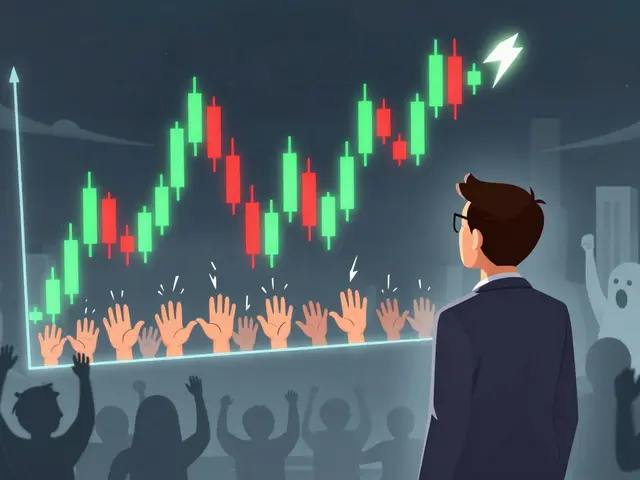


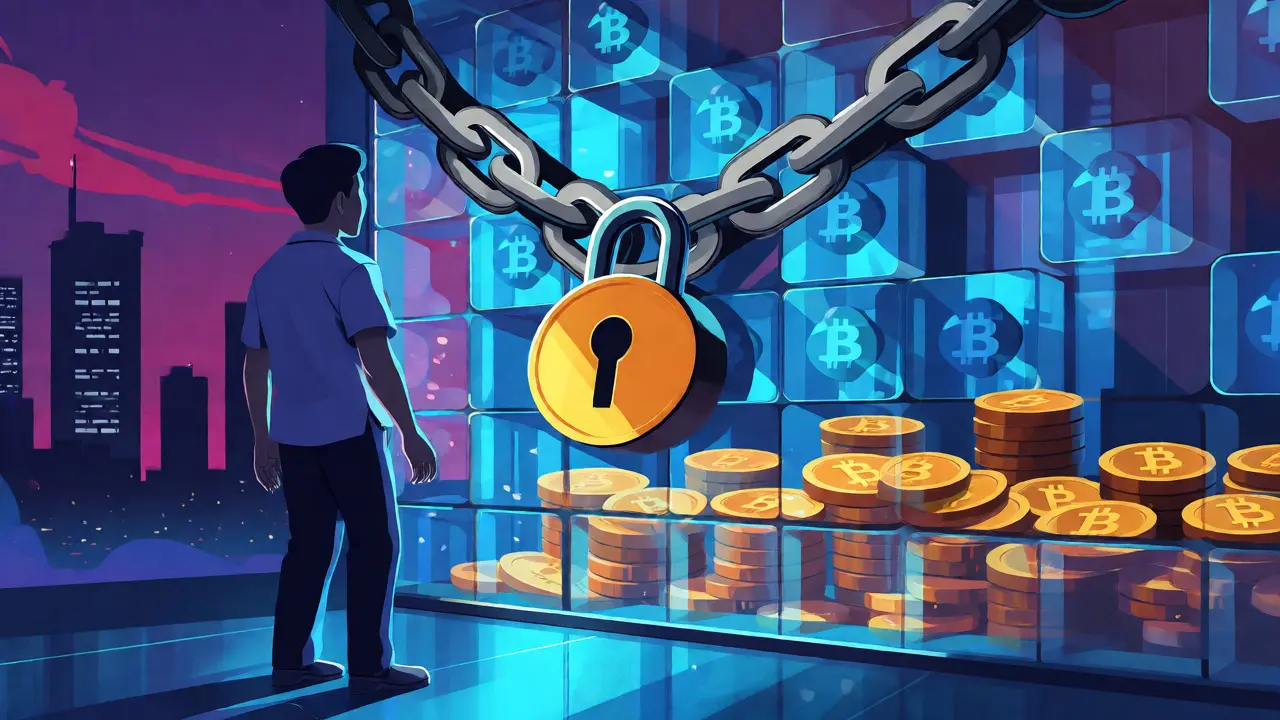
Imagine waking up to find your hard-earned savings locked behind a digital wall you can't climb. That's the reality for thousands of Filipino crypto users right now. The Securities and Exchange Commission (SEC) of the Philippines froze $150 million in digital assets linked to unlicensed cryptocurrency exchanges. This isn't just a bureaucratic hiccup; it's a massive enforcement action that has left many wondering if their money is gone forever or just stuck in regulatory limbo.
If you hold crypto in the Philippines, this situation hits close to home. The country ranks 8th globally in crypto adoption, with over ₱6 trillion invested in digital assets by early 2025. Yet, despite this enthusiasm, a significant chunk of the market operated in the shadows. The SEC stepped in to clean house, blacklisting 20 platforms that failed to meet new compliance standards. But what does this mean for the average user? Let's break down exactly what happened, why it matters, and how you can navigate these choppy waters.
The Crackdown on Unlicensed Exchanges
At the heart of this issue is a simple rule: you need a license to operate. In January 2025, the SEC issued Memorandum Circulars No. 4-2025 and 5-2025, which formally defined Crypto-Asset Service Providers (CASPs) as entities offering crypto services as a business. These rules demanded strict registration, transparency about the assets offered, and solid investor protection measures. Many popular platforms ignored these requirements, operating under the assumption that the previous three-year moratorium on licenses from the Bangko Sentral ng Pilipinas (BSP) meant they could continue business as usual.
They were wrong. The SEC didn't wait for the moratorium to expire on September 1, 2025. Instead, they took proactive steps, freezing funds on platforms that hadn't applied for or received proper authorization. The $150 million figure represents suspected illicit funds or assets held by these non-compliant entities. It’s a bold move, signaling that the era of "move fast and break things" is over for Philippine crypto. Regulators are no longer willing to tolerate gray areas when billions of pesos are at stake.
| Asset Category | Percentage of Frozen Value | Primary Blockchains Involved |
|---|---|---|
| Stablecoins (USDT, USDC) | 68% | Ethereum (45%), BSC (30%) |
| Bitcoin | 22% | Tron (15%), Others |
| Altcoins | 10% | Mixed Networks |
Why Did the SEC Freeze These Assets?
You might ask, why freeze the money instead of just shutting down the websites? The answer lies in consumer protection and anti-money laundering efforts. A large portion of the frozen assets-about 68%-consists of stablecoins like USDT and USDC. These are often used for quick transfers and trading pairs. If an exchange goes bust or turns out to be fraudulent, users lose access to these liquid assets instantly. By freezing them, the SEC prevents bad actors from draining the accounts before regulators can sort out who owns what.
This action also aligns with global trends. While the US Office of Foreign Assets Control (OFAC) froze similar amounts in 2024 due to sanctions, the Philippine approach targets domestic compliance failures. The goal is to stop the country from becoming a haven for financial crimes. Chainalysis reported that $2.17 billion was stolen from crypto services globally in the first half of 2025 alone. Without strict enforcement, the Philippines risked losing its reputation as a safe hub for digital finance, especially given its high adoption rate among retail investors.
How Affected Users Can Recover Funds
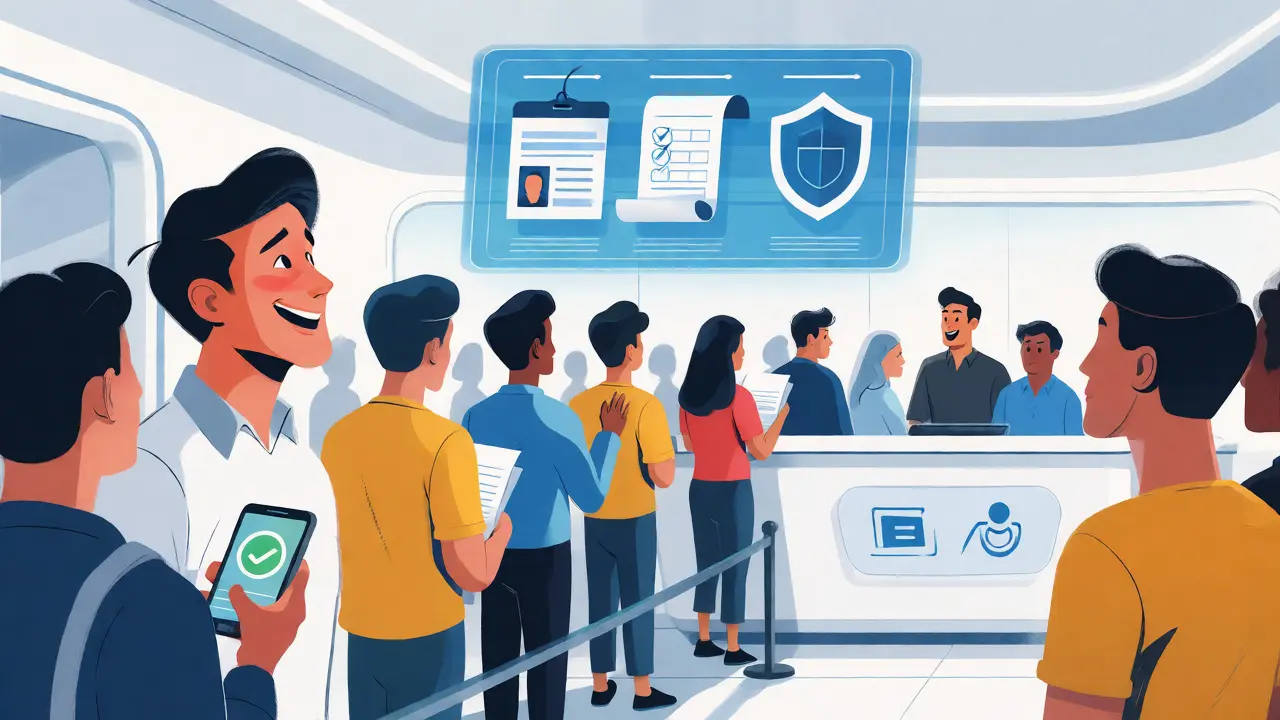
If your funds are caught in this net, don't panic yet. The SEC established the Crypto Asset Recovery Unit (CARU) to handle verification and potential release of legitimate funds. However, the process isn't instant. As of July 2025, only 12% of affected users had successfully completed the verification process. Why so low? Because the requirements are strict.
To get your money back, you generally need to prove three things:
- Your identity (government-issued ID).
- Your transaction history on the blocked platform.
- Evidence that your funds weren't derived from illegal activities.
This creates a barrier for less tech-savvy users. Reports indicate that 34% of applications were rejected due to incomplete documentation. If you're older or not familiar with blockchain explorers, gathering proof of transactions can feel overwhelming. The average processing time is currently 47 days per application, but legal challenges from exchanges like Bitget and Bybit could extend this timeline significantly.
Market Impact and User Sentiment
The psychological impact on the market has been severe. Trustpilot ratings for the affected exchanges plummeted from an average of 4.2 stars to 1.3 stars between May and June 2025. Common complaints included "funds frozen without warning" and "no clear recovery process." On social media, frustration is palpable. A Reddit thread titled "My $15k frozen in Bitget PH - What now?" gathered over 1,200 upvotes, reflecting the anxiety of individual investors.
Interestingly, public opinion is split. A survey by the Association of Cryptocurrency Enthusiasts of the Philippines (ACEP) found that 62% of users support the enforcement, believing it makes the market safer long-term. However, 78% admitted they were unaware of the specific licensing requirements that led to the freeze. This communication gap highlights a critical failure in regulatory outreach. People want safety, but they also want clarity and fair treatment.

The Road Ahead: Licensing and Sandboxes
Is this the end of crypto in the Philippines? Far from it. In fact, it marks the beginning of a more mature market. The BSP's moratorium on Virtual Asset Service Provider (VASP) licenses lifted on September 1, 2025. This opens the door for legitimate exchanges to apply for full licenses starting mid-September. Additionally, the SEC launched a "Regulatory Sandbox" program on September 15, 2025, allowing ten pre-vetted platforms to operate under temporary licenses while final rules are drafted.
House Bill No. 4792, proposed by Rep. Edgar Erice, aims to create the National Council on Digital Assets and Tokenized Investments (NCDATI). If passed, this body would provide a unified framework for regulating digital assets, reducing the current confusion between SEC and BSP jurisdictions. For investors, this means better protection and clearer rules. For businesses, it means higher compliance costs but a more stable operating environment.
Practical Steps for Filipino Crypto Holders
So, what should you do today? Here is a checklist to protect yourself:
- Check Your Platform: Verify if your exchange is licensed by the SEC or BSP. If it's on the blacklist, act fast.
- Gather Documents: Download your transaction history and save screenshots of your balance. Do this before the platform restricts access further.
- Submit to CARU: Follow the official SEC advisory guidelines to submit your verification claim. Don't rely on third-party agents who promise quick fixes for a fee.
- Diversify Storage: Consider moving future investments to self-custody wallets (like MetaMask or Trust Wallet) where you control the private keys. This reduces reliance on centralized exchanges.
- Stay Updated: Monitor official SEC announcements rather than relying solely on social media rumors.
The $150 million freeze is a painful lesson, but it serves as a wake-up call. The Philippines is transitioning from a wild-west crypto market to a regulated financial ecosystem. While the short-term pain is real, the long-term gain is a safer, more trustworthy environment for digital finance.
Will I get all my money back from the frozen crypto assets?
It depends on whether your funds are deemed legitimate. The SEC plans to release verified funds starting November 1, 2025. However, if your account is flagged for suspicious activity, recovery may take longer or require legal intervention. Only about 12% of initial claims have been processed successfully so far.
Which exchanges were blacklisted by the SEC Philippines?
The SEC blacklisted 20 unlicensed exchanges in the first half of 2025. Notable names include Bitget and Bybit, whose access was blocked in the region. Always check the latest list on the official SEC website, as it is updated regularly.
What is the Crypto Asset Recovery Unit (CARU)?
CARU is a dedicated unit within the SEC established to handle the verification and recovery of funds from frozen accounts. They assess user claims to determine if the assets were acquired through legitimate means before authorizing their release.
Can I still trade crypto in the Philippines?
Yes, trading continues on licensed platforms like Coins.ph and others approved by the BSP and SEC. The freeze specifically targets unlicensed operators. Ensure you use a compliant exchange to avoid similar issues in the future.
Why were stablecoins mostly affected?
Stablecoins like USDT and USDC make up 68% of the frozen assets because they are the primary medium for trading and liquidity in crypto markets. Their widespread use on unlicensed platforms made them the most exposed category during the crackdown.