


Imagine handing your life savings to a stranger who refuses to show their ID, tell you where they live, or explain how they plan to keep your money safe. You probably wouldn't do it. Yet, when we look at the ZZEX Digital Asset Trading Platform is a centralized cryptocurrency exchange reportedly based in Asia that facilitates the trading of digital assets, we find a platform that operates with a similar level of mystery. In a market where trust is the only real currency, ZZEX is currently a ghost.
The Red Flags of a "Ghost" Exchange
When you evaluate a crypto exchange safety profile, transparency is the first thing you look for. Legitimate platforms aren't shy about who runs the show. They publish team bios, LinkedIn profiles of their executives, and clear corporate registrations. With ZZEX, there is a complete void. We don't know who founded it, which company owns it, or even which country's laws it follows.
This lack of basic corporate identity is a massive red flag. If a platform disappears tomorrow, you have no legal entity to sue and no jurisdiction to appeal to. Most reputable exchanges are open about their operational headquarters to prove they aren't just a website running on a hidden server in a tax haven. ZZEX, however, remains opaque, claiming vague Asian roots without providing a single registered address.
Centralized Exchange Risks and the Custody Problem
To understand why this opacity matters, we have to look at how a Centralized Exchange (CEX) works. A CEX acts as a middleman. When you deposit funds, you aren't holding the keys to your coins; the exchange is. You are essentially giving them an IOU.
For this model to work, the exchange must have ironclad security and a verifiable track record. High-tier platforms use a combination of hot wallets for liquidity and Cold Storage an offline method of storing cryptocurrency keys to prevent hacking for the bulk of user assets. ZZEX provides zero documentation on its security architecture. There is no mention of multi-signature wallets, third-party security audits, or insurance funds to cover potential hacks. Without this data, depositing funds is effectively a gamble.
| Feature | Industry Standard (e.g., Coinbase, Kraken) | ZZEX Platform |
|---|---|---|
| Regulatory Licenses | Publicly listed (FinCEN, FCA, etc.) | Unknown / Undisclosed |
| Team Transparency | Public leadership and bios | Anonymous |
| Security Audits | Regular third-party reports | No available data |
| User Reviews | Thousands across Trustpilot/Reddit | Virtually non-existent |
| Fee Schedule | Transparent and documented | Unknown |
The Silence of the Community
In the world of crypto, the community is the best filter. Whether it's a heated debate on Reddit or a detailed complaint on Trustpilot, a real platform leaves a digital footprint. If a platform is gaining traction, users talk about the withdrawal speeds, the slippage on trades, or the quality of customer support.
ZZEX is strangely silent. There are no meaningful user testimonials, no community forums, and no professional reviews from blockchain research firms. This absence is telling. While some might argue the platform is simply "new," even the smallest emerging exchanges usually have a core group of early adopters screaming about their experience. A total lack of feedback often suggests a platform that has either failed to attract any real users or is intentionally hiding its presence to avoid scrutiny.
Regulatory Void and Legal Hazards
Trading digital assets is no longer the "Wild West" it once was. Most countries now require exchanges to implement KYC Know Your Customer process used by financial institutions to verify the identity of their clients and AML Anti-Money Laundering laws designed to stop the practice of generating income through illegal actions protocols. This isn't just about government overreach; it's about protecting users from fraud and money laundering.
Comparing ZZEX to a regulated entity like Gemini-which is overseen by the New York State Department of Financial Services-shows a staggering gap. Regulated exchanges provide a safety net; they have charters, banking licenses, and oversight committees. ZZEX operates in a regulatory vacuum. If your account is frozen or your funds are "lost" due to a technical glitch, you have no regulatory body to report to. You are essentially trusting a nameless entity with your financial future.
Technical Specs: The Great Unknown
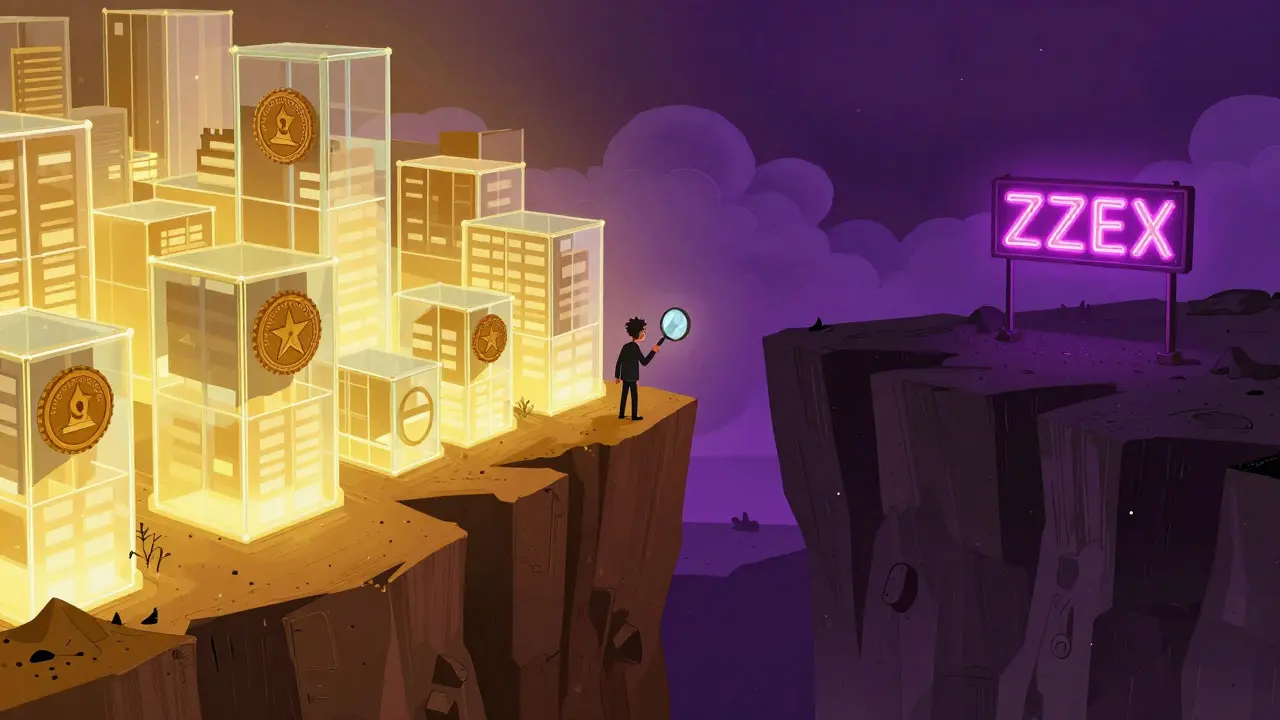
For a trader, the technical side is everything. You need to know about the order book depth, the types of orders supported (limit, market, stop-loss), and the API stability for those using algorithmic trading. You want to see benchmarks for transaction processing speeds so you don't get "rekt" during a period of high volatility.
Regarding ZZEX, there is no technical documentation. We don't know what their matching engine is built on or how they handle liquidity. If an exchange doesn't publish its trading volume or the pairs it supports, it's impossible to determine if you'll experience massive slippage-where the execution price of a trade differs significantly from the expected price. This makes ZZEX a black box that no professional trader would touch.
Final Verdict: Proceed with Extreme Caution
When you add up the missing pieces-no team, no regulatory license, no security audits, and no user history-the picture becomes clear. ZZEX fails every basic test of a trustworthy financial platform. In the crypto space, if you can't verify the safety of your funds, the only logical move is to stay away.
For those looking for a reliable place to trade, sticking to platforms with a proven track record and clear legal standing is the only way to mitigate risk. Don't be lured by the promise of high returns or exclusive tokens on a platform that won't even tell you who they are.
Is ZZEX Digital Asset Trading Platform a scam?
While there is no definitive proof of a scam, the platform displays several "red flags" typical of fraudulent sites, including a total lack of transparency regarding ownership, regulatory status, and security practices. The absence of any verified user reviews or professional audits makes it extremely high-risk.
Can I trust ZZEX with my cryptocurrency?
It is not recommended to trust this platform with your assets. Unlike established exchanges that use cold storage and third-party audits, ZZEX provides no evidence of how user funds are secured. In a centralized exchange, you lose control of your private keys, and without transparency, there is no way to ensure your funds are safe.
What are the risks of using an unregulated exchange?
Using an unregulated exchange means you have no legal protection if the platform shuts down, steals your funds, or suffers a hack. There is no insurance, no government oversight, and no legal recourse in the event of a dispute.
Does ZZEX have any known licenses?
No. There is no publicly available information indicating that ZZEX holds any financial licenses or is registered with any regulatory body in Asia or elsewhere.
How does ZZEX compare to Binance or Coinbase?
Binance and Coinbase are industry leaders with massive trading volumes, known leadership, and extensive (though varying) regulatory frameworks. ZZEX lacks all these attributes, making it an entirely different and much riskier tier of service.
Next Steps for Safe Trading
- Prioritize Transparency: Only use exchanges that list their founding team and corporate headquarters.
- Check Regulatory Status: Look for registrations with bodies like FinCEN in the US or the FCA in the UK.
- Verify Security: Ensure the platform uses cold storage and undergoes regular independent security audits.
- Use Hardware Wallets: Never keep large amounts of crypto on any exchange. Move your assets to a hardware wallet for maximum security.
- Research Community Sentiment: Check independent forums and aggregators to see real user experiences regarding withdrawals and support.





People Comments
Typical setup. It is blindingly obvious that this is just a front for some larger geopolitical shell game to siphon liquidity out of Western markets. They keep the ownership vague because the moment you dig, you'll find it's linked to a network of bots and puppet accounts designed to manipulate the retail trader. It's the same playbook every single time. 🙄
Oh, honey, you act like this is some shocking revelation. Anyone with half a brain knows that if a platform doesn't have a physical address, it's basically a digital piggy bank for the founders to rob. It's almost cute that people still need a detailed guide to realize they're being scammed. Just a little tip: if it looks like a duck and quacks like a scam, it's probably a scam. 💅
Absolute catastrophe. The sheer audacity of these platforms to exist without a single shred of transparency is an affront to basic financial intelligence. I am utterly appalled that such an entity could even be indexed on the web. It is a tragedy of the modern age that we have normalized this level of risk.
This is exactly why we need to stop dependin on these foreign platforms and bring everything back under US reglation where we can actually hold these crooks accountable!! Its a god damn disgrace that americans are riskin their hard earned money on some asian ghost site that probably doesnt even have a real server but just a guy in a basement with a laptop and a dream of stealng our wealth while our own govment lets it happen thru the back door of the internet!!
Thanks for sharing this! It's always better to be safe than sorry. For anyone just starting out, remember that taking things slow and doing your research is the best way to grow. We can all help each other out by sharing the red flags we find!
I've seen this pattern many times before. The lack of a documented fee schedule is particularly concerning because that's usually where they hide the 'exit fees' that prevent you from ever withdrawing your initial deposit. If you're unsure about your current setup, I'm happy to explain how to move assets to a non-custodial wallet.
It's very important to guide new investors towards these warning signs. A little bit of caution today saves a lot of tears tomorrow.
Spot on! 💯 Always check those licenses before hitting deposit! Let's keep the community safe and educated! 🚀🛡️
Wait, so you're telling me the 'Asian roots' thing is a lie?? I KNEW IT!! This is literally a movie plot at this point! How is nobody talking about how this is clearly a massive coordinate effort to fleece us all!! I'm actually shakin right now because this is just so wild!! 😱
How quaint that you think a 'review' is enough to warn the masses. The sheer incompetence of the average retail trader is a masterpiece of comedy. Perhaps if you spent less time reading blogs and more time understanding actual market dynamics, you wouldn't be so terrified of a little mystery. Honestly, it's pathetic.
Seems sketchy.
Maybe they just want privacy.
its all a trap... the anonymity is just to hide who is actually runing the shadow gov money launderin ops. they want our data and our coins to fuel the next great reset. typical.
The level of negligence displayed by the operators of such a platform is simply intolerable. It is a profound insult to the intelligence of the investing public to present such an opaque structure as a legitimate trading venue. One must wonder if there is any shred of ethics remaining in the digital asset sector when such entities are permitted to exist without scrutiny.
Let's shake off the fear and turn it into fuel for better research! Use this as a catalyst to master the art of the deep dive. Knowledge is the most vibrant currency we have, so let's get loud about the truth and keep our portfolios sparkling and safe!
Yeah, definitely passing on this one.
Lol imagine actually thinking this place was legit. But hey, some people just love losing money, right? I'm just here for the chaos. Who knew being a 'ghost' was the new trend in finance? 😂
I believe we can all agree that transparency is the cornerstone of trust in any financial endeavor. It would be most beneficial if we could collectively encourage these platforms to adopt a more open framework for the betterment of the global investing community.
I'm sure there are some great, honest platforms out there that are just starting and don't have the marketing budget yet, but this one just feels wrong. Let's hope people see this before they put their money in.
i dont rly get why people trust any of these sites tbh. its all just numbers on a screen and then boom your money is gone lol. just keep it simple and dont trust anyone with your keys.