

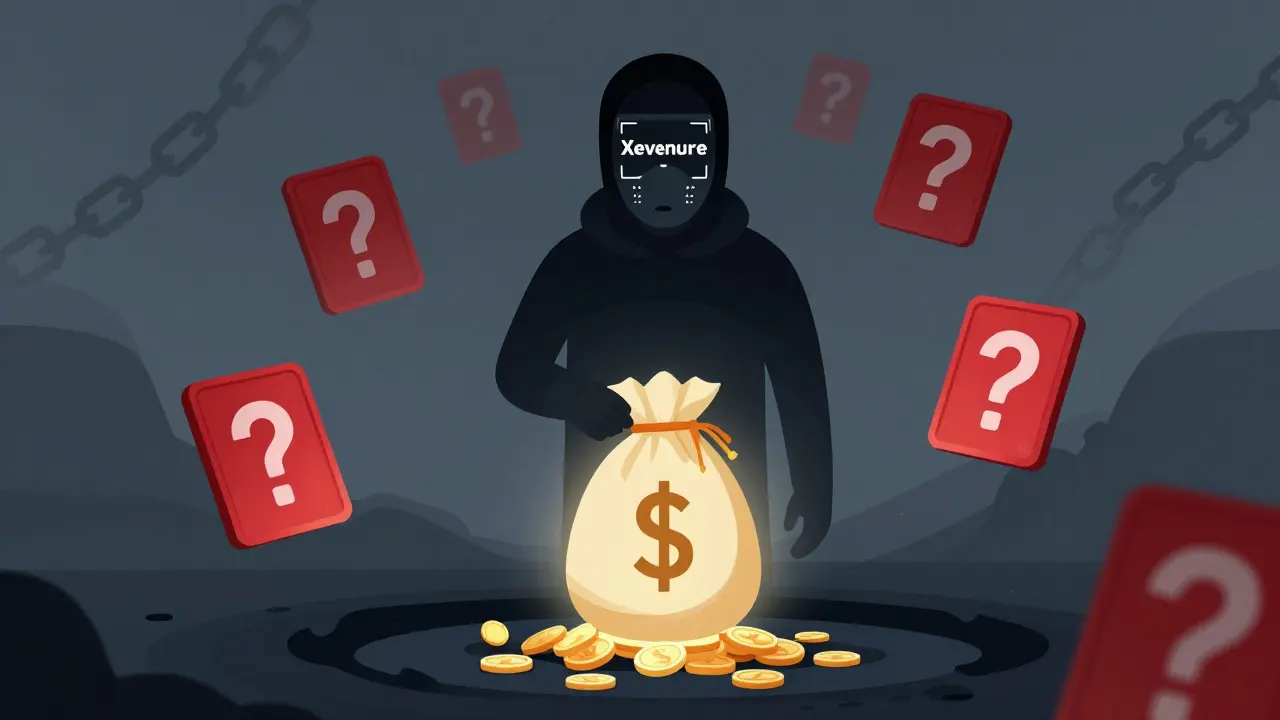
You’ve probably stumbled upon an ad for Xevenue is a cryptocurrency trading platform that has recently appeared in online searches and social media promotions. The promises are usually the same: high returns, low fees, and easy access to Bitcoin and Ethereum. But here’s the hard truth you won’t find in their flashy ads-there is almost zero credible information about this platform from any authoritative source.
As of mid-2026, Xevenue does not appear on major cryptocurrency tracking sites like CoinMarketCap or CoinGecko. It is not listed on regulatory databases from bodies like the SEC (U.S.), FCA (UK), or ASIC (Australia). When a crypto exchange lacks these basic footprints, it raises immediate red flags. This article breaks down what we know-or more accurately, what we don’t know-about Xevenue, compares it to legitimate industry standards, and helps you decide whether your money is safe there.
The Silence Speaks Volumes: Why Xevenue Is Hard to Find
In the world of cryptocurrency, visibility is often tied to legitimacy. Legitimate exchanges work hard to be found by regulators, auditors, and users. They publish security reports, list their team members, and maintain active community channels. Xevenue fails on all these counts.
I spent hours digging through search results, regulatory filings, and user forums. Here is what I found:
- No Regulatory Licenses: There is no record of Xevenue holding a license from any major financial authority. In 2026, operating without some form of registration is a massive risk factor.
- Absence from Tracking Sites: Platforms like CoinMarketCap require rigorous verification before listing an exchange. Xevenue is nowhere to be seen.
- Lack of User Reviews: Trustpilot, Reddit, and Bitcointalk have no significant discussion threads about Xevenue. Genuine platforms have thousands of reviews, both good and bad. Silence is suspicious.
This lack of digital footprint suggests that Xevenue might be a new, unverified entity, or worse, a scam operation designed to disappear once it collects enough deposits. Always remember: if you can’t verify who runs the exchange, you shouldn’t trust them with your funds.
What Legitimate Exchanges Do Differently
To understand why Xevenue is risky, you need to know what a safe exchange looks like. Established platforms like Coinbase, Kraken, and Binance follow strict security and compliance protocols. Let’s look at the key differences.
| Feature | Xevenue | Top-Tier Exchanges (e.g., Coinbase, Kraken) |
|---|---|---|
| Regulatory Compliance | Unknown / None Found | Registered with global authorities (SEC, FCA, etc.) |
| Cold Storage | Not Disclosed | 95-98% of funds stored offline in cold wallets |
| Proof of Reserves | None Provided | Regular third-party audits (Merkle Tree proofs) |
| Two-Factor Authentication (2FA) | Unclear Implementation | Hardware-backed 2FA (YubiKey) and TOTP supported |
| Insurance Coverage | Not Mentioned | Partial to full coverage for digital assets held in custody |
The gap between Xevenue and established players is huge. For example, top-tier exchanges store nearly all customer funds in cold storage is offline digital wallets that are not connected to the internet, making them immune to online hacking attempts. This means even if the exchange’s website is hacked, the majority of funds remain safe. Xevenue provides no information on how they store your assets. Without this transparency, you have no way of knowing if your Bitcoin is actually secure.
Red Flags to Watch Out For
If you are considering using Xevenue, look closely for these common signs of fraudulent platforms:
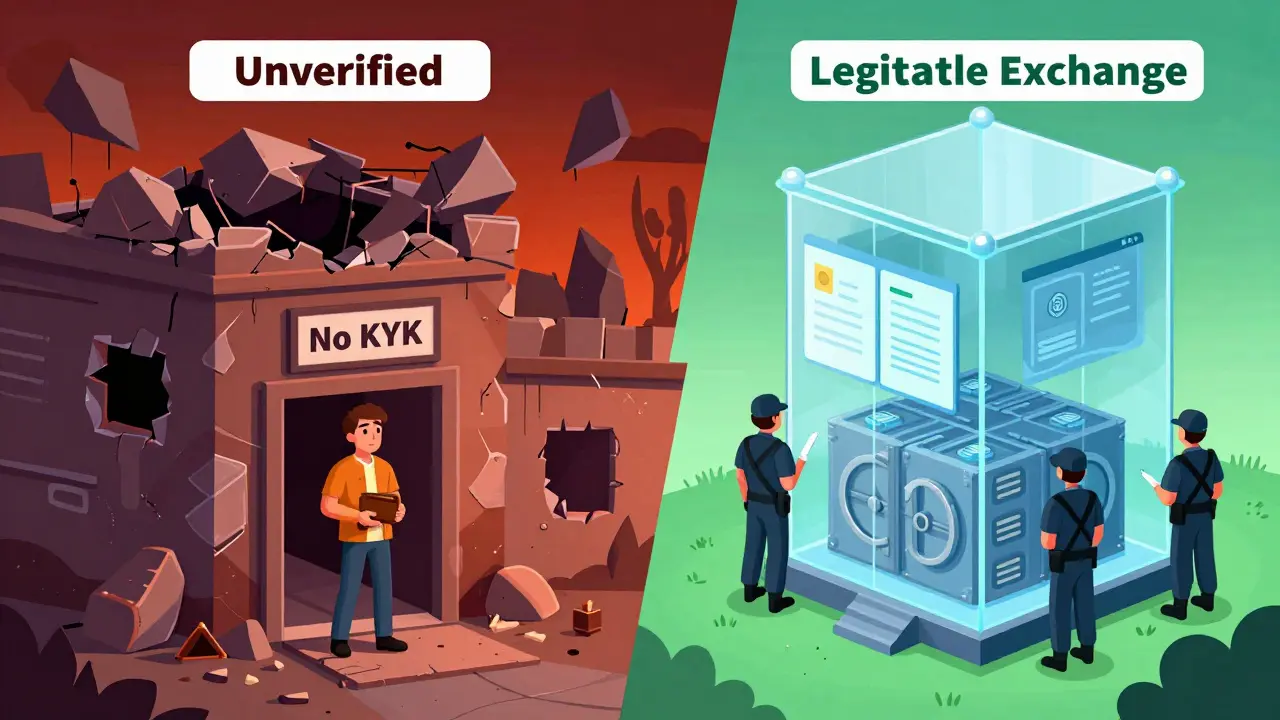
- Guaranteed Returns: No legitimate investment guarantees profit. If Xevenue promises fixed daily returns, it is likely a Ponzi scheme.
- Pressure to Deposit Quickly: Scammers often use urgency tactics, claiming bonuses expire in hours. Legitimate exchanges never rush you.
- Poor Website Quality: Check for spelling errors, broken links, and generic stock photos. Professional platforms invest heavily in clear, professional design.
- Hidden Fees: Look for withdrawal fees that seem excessively high or change without notice. This is a common tactic to trap your funds.
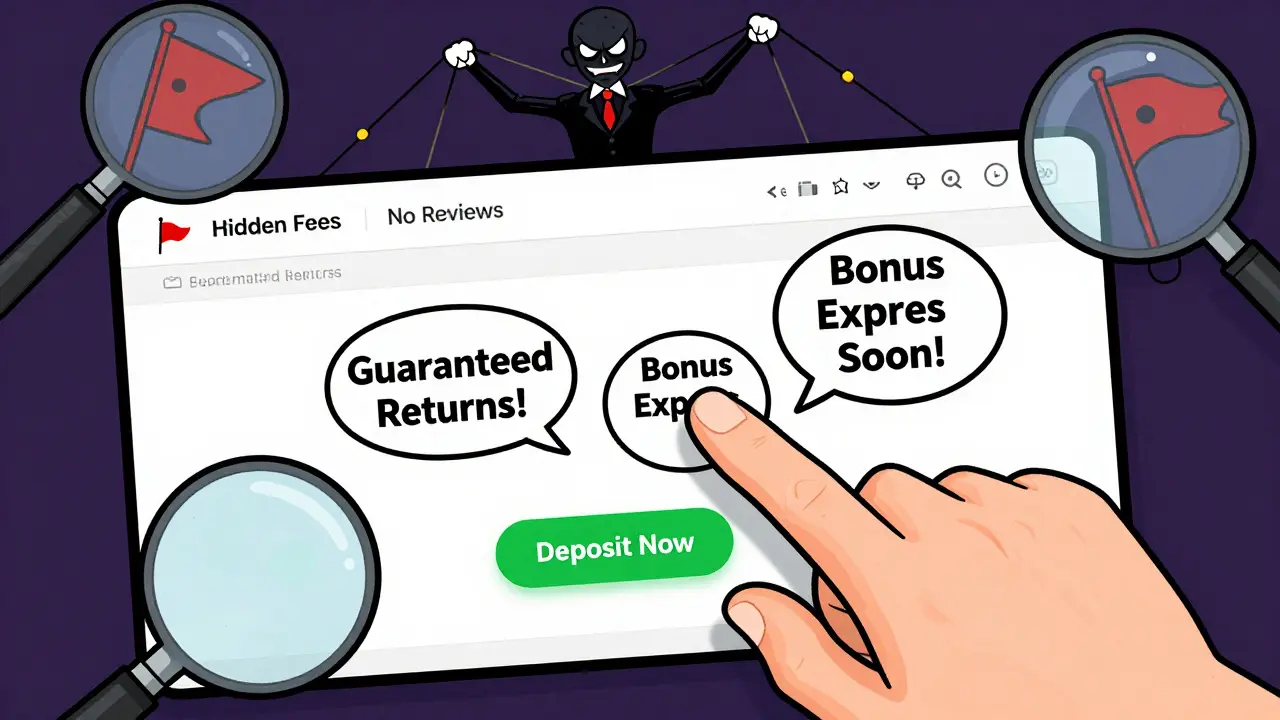
One specific detail to check is their KYC process is Know Your Customer verification, which requires users to provide government ID and proof of address to prevent fraud and money laundering. While privacy is important, a complete lack of KYC can indicate a platform trying to avoid legal scrutiny. Conversely, overly aggressive data collection without clear privacy policies is also a warning sign.
How to Verify Any Crypto Exchange
Before depositing a single dollar into any platform, including Xevenue, follow this checklist:
- Check Regulatory Status: Visit the websites of financial regulators in your country. Search for the exchange name. If they aren’t listed, proceed with extreme caution.
- Look for Proof of Reserves: Reputable exchanges publish monthly or quarterly audits showing they hold enough assets to cover user balances. Xevenue does not offer this.
- Test Customer Support: Send a detailed question via live chat or email. Note the response time and quality. Slow or generic responses suggest poor infrastructure.
- Read Independent Reviews: Avoid reviews posted on the exchange’s own website. Look for discussions on Reddit, Twitter, and specialized crypto forums.
For instance, when evaluating Binance is one of the largest cryptocurrency exchanges globally, known for its wide range of trading pairs and advanced features, you can easily find years of user feedback and regulatory updates. With Xevenue, you find nothing. This absence is not neutral; it is a negative indicator.
Safer Alternatives for Trading Crypto
If you want to trade cryptocurrency safely, consider sticking to well-established platforms. These exchanges have survived market crashes, regulatory scrutiny, and cyber attacks because they prioritize security and compliance.
Coinbase is ideal for beginners due to its user-friendly interface and strong U.S. regulatory compliance. It offers insured custodial services and clear fee structures.
Kraken is known for its robust security track record. They have never been successfully hacked since their founding and offer advanced trading tools for experienced users.
Binance provides the widest selection of cryptocurrencies and high liquidity, though users should be aware of its complex regulatory landscape across different countries.
These platforms may not offer the "easy money" promises of obscure sites like Xevenue, but they offer something far more valuable: peace of mind. Your capital is protected by industry-standard security measures, including multi-signature wallets and regular penetration testing.
Conclusion: Proceed with Extreme Caution
Based on the available evidence, Xevenue crypto exchange does not meet the basic criteria for a trustworthy platform. The lack of regulatory information, absence from major tracking sites, and zero independent user reviews make it a high-risk option. In the crypto world, anonymity is not a feature; it is a liability.
Do not deposit funds into Xevenue until you can verify its legitimacy through official channels. Instead, choose a regulated exchange that prioritizes transparency and security. Your financial safety is worth more than any potential bonus offered by an unknown platform.
Is Xevenue a scam?
While there is no definitive proof that Xevenue is a scam, the lack of regulatory licenses, absence from major crypto tracking sites, and zero independent reviews strongly suggest it is unsafe. Treat it as high-risk until proven otherwise.
Can I withdraw my money from Xevenue?
There are no verified reports of successful withdrawals from Xevenue. Many similar unregulated platforms impose hidden fees or delay withdrawals indefinitely. Assume you may lose access to your funds.
Where is Xevenue registered?
Xevenue does not appear to be registered with any major financial regulatory body such as the SEC, FCA, or ASIC. This lack of registration makes it difficult to seek legal recourse if issues arise.
What are safer alternatives to Xevenue?
Safer alternatives include Coinbase, Kraken, and Binance. These platforms are regulated, offer proof of reserves, and have established track records of security and customer support.
Does Xevenue offer two-factor authentication?
It is unclear if Xevenue offers proper two-factor authentication (2FA). Legitimate exchanges always provide hardware-backed 2FA options like YubiKey or authenticator apps. Without this, your account is vulnerable to hacking.