



Imagine logging into a digital wallet without memorizing twelve random words, paying transaction fees in a currency you don't hold, or losing everything forever because you misplaced a single phrase. This nightmare scenario has defined the cryptocurrency experience for most users since the early days of Bitcoin and Ethereum. However, a significant shift is underway that promises to change the landscape entirely. It revolves around a concept called Account Abstraction, which is a technology upgrade that transforms blockchain accounts from static addresses into programmable smart contracts. By 2026, this isn't just theory; it is the infrastructure reshaping how people interact with decentralized applications.
The Problem with Traditional Crypto Accounts
To understand why this matters, you have to look at what everyone was stuck with before. For years, blockchains like Ethereum is a decentralized network platform relied on something called an Externally Owned Account, or EOA. You probably know these as the standard accounts managed by popular tools like MetaMask is a popular browser extension wallet.
These traditional accounts have three fatal flaws for regular users. First, they are rigid. An EOA cannot do anything except sign transactions with a private key. It doesn't know who its owner is, doesn't know what kind of security measures are allowed, and definitely cannot accept payments in different ways. Second, the gas fee situation is brutal. To send any transaction, you must own the native token (like ETH) specifically for the fee. If you hold only USDC stablecoins, you can't move them until you somehow buy ETH. Third, and perhaps worst, is the backup method. One wrong character in your seed phrase means your funds are gone forever. There is no "forgot password" button on a blockchain.
What Exactly Is Account Abstraction?
Account Abstraction changes the fundamental nature of ownership on a blockchain. Instead of treating your wallet as a simple public-private key pair, it treats your wallet as a piece of code-a smart contract. This might sound technical, but think of it as the difference between a flip phone and a smartphone. A flip phone does one thing: makes calls. A smartphone runs apps, manages contacts, allows logins via FaceID, and handles complex tasks automatically.
In technical terms, this shift moves users from an EOA to a Smart Contract Account. These accounts allow for customizable logic within the wallet itself. The most critical standard enabling this without changing the core blockchain protocol is EIP-4337 is a Ethereum Improvement Proposal defining account abstraction standards. Introduced officially in the Ethereum ecosystem recently, EIP-4337 provides a mempool for UserOperations rather than standard transactions. This allows developers to create custom authentication flows without asking the entire network to upgrade its consensus rules immediately.
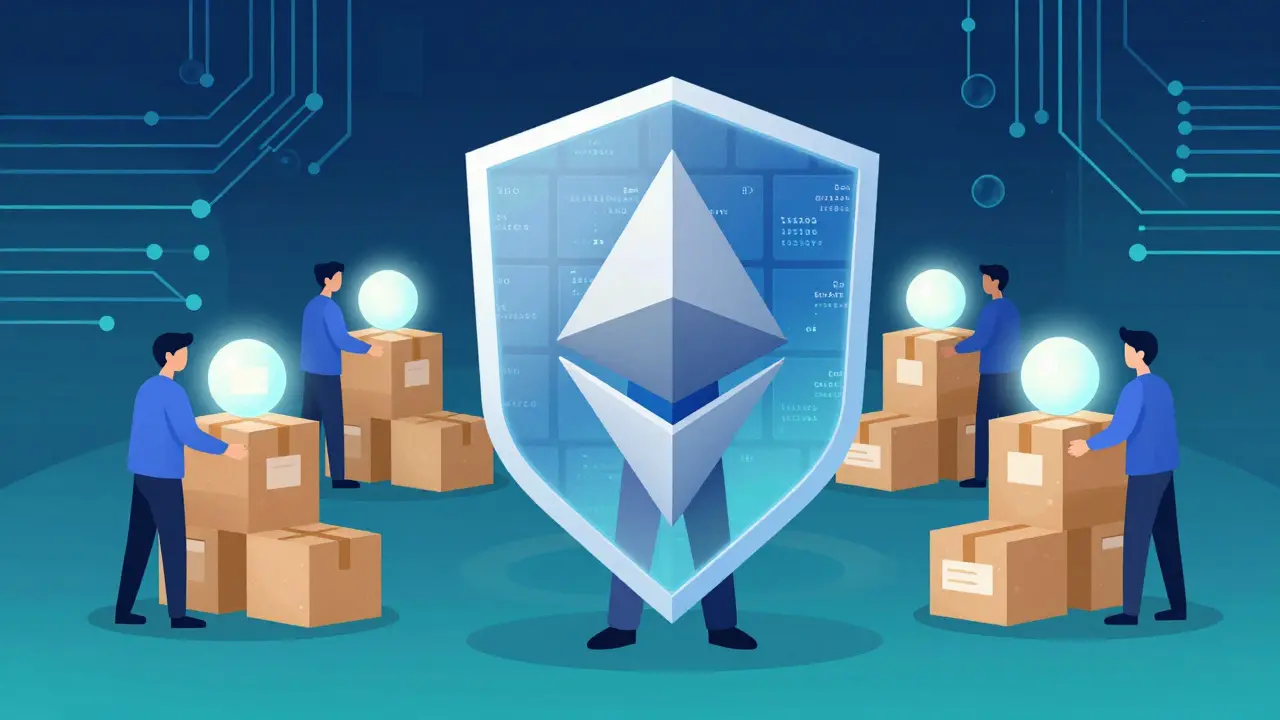
The magic happens through two components: the Account Contract and the Bundler. Your wallet acts as the Account Contract, holding your funds and rules. When you click "send," your wallet creates a UserOperation, which is basically a request describing what you want to happen. Special nodes called Bundlers collect these requests, bundle them together, and submit them to the blockchain as a standard transaction. This backend complexity is invisible to you, making the process seamless.
Gasless Transactions and Fee Sponsorship
One of the most immediate benefits users notice is how fees work. In a standard setup, if you want to swap a token, pay a subscription, or transfer money, you need ETH in your wallet just to pay the network. With Account Abstraction, this requirement vanishes. Developers can choose to sponsor your gas fees. Imagine logging into a dApp (decentralized application) and completing a trade without needing to hold the base currency.
This feature solves the "chicken and egg" problem for new users. Previously, newbies had to figure out how to buy ETH, store it safely, find the exact address of the exchange, and then swap for their desired token. Now, a wallet provider or a dApp can subsidize that first interaction. You pay nothing upfront. Even better, some implementations allow you to pay gas using any token you hold, not just the native one. So if you have USDC or a governance token, you can use that to cover the transaction cost instead of hunting down ETH.
Social Recovery and Safety Mechanisms
The security aspect of modern cryptography is robust, but it is unforgiving regarding human error. Account Abstraction introduces a much more humane approach to access control known as social recovery. Instead of relying on a secret string of numbers kept in a paper notebook, your account recovery relies on trusted guardians.
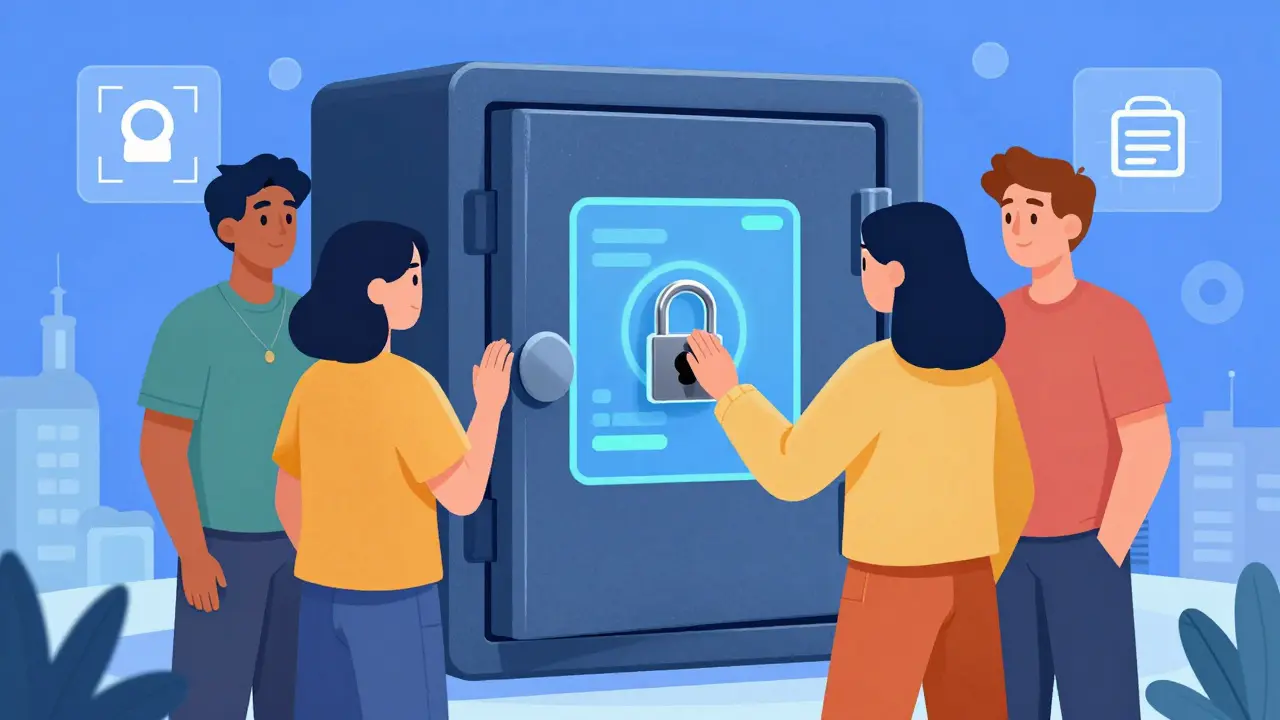
You can set up a rule saying, "If I lose my device, three friends and my partner can come together to recover access." These guardians sign a recovery transaction. If you lose your phone, your friend doesn't give you the keys directly; they help approve the restoration of a new device. This brings web3 security closer to how Facebook or Google handle account recovery, but without giving a centralized company control over your assets. Additionally, advanced features like session keys allow you to grant temporary access to games or marketplaces. You could say, "This game app can spend $10 from my wallet during this weekend," rather than signing off a potentially unlimited transaction every time you play.
| Feature | Traditional Wallet (EIP-4337 Pre-AA) | Account Abstraction Wallet |
|---|---|---|
| Identity Basis | Public/Private Key Pair | Smart Contract Code |
| Authentication | Seed Phrase (12-24 Words) | Bio, Passkeys, or Guardians |
| Gas Payment | Must use Native Token (e.g., ETH) | Fees sponsored or paid with Any Token |
| Loss Recovery | Impossible without Seed Phrase | Guardian-based Social Recovery |
| Multisig Logic | Requires External Service (e.g., Gnosis Safe) | Built into the Core Account |
The table highlights the structural differences. Notice the column regarding Multisig Logic. In the old world, if you wanted high security, you used a service like Gnosis Safe is a multisig wallet solution for enterprises. While secure, Gnosis Safe often required cumbersome setup steps unsuitable for daily coffee purchases. Account Abstraction integrates that safety natively, meaning a retail consumer gets enterprise-grade protection without the friction of setting up a committee.
Real-World Adoption by Major Wallets
We are seeing these technologies roll out across multiple providers. Leading the charge is Argent is a smart contract wallet provider implementing account abstraction. Their Xverse wallet has been refining these experiences, allowing users to manage cross-chain assets from one view. Other industry giants are integrating support for EIP-4337 natively. This includes updates to familiar interfaces where the user doesn't necessarily need to know they are interacting with a smart contract.
The impact extends beyond consumer wallets. Layer 2 solutions like Polygon and Arbitrum are also optimizing their stacks for Account Abstraction. Because these networks handle scalability, reducing the overhead of transactions is vital. By supporting AA natively, they reduce the gas burden even further, often making transaction costs negligible. This synergy suggests a future where blockchain interactions are indistinguishable from standard API calls in web development.
Challenges and Considerations
While the benefits are clear, the transition isn't without hurdles. For developers, writing smart contract wallets requires deeper knowledge of Solidity or similar languages compared to generating basic keys. This raises the entry barrier for building wallets, though tools are improving rapidly. Furthermore, there is a philosophical debate within the community regarding censorship resistance. Since AA relies on smart contracts and potentially third-party bundlers, there is a risk that these middle layers could become points of failure or censorship, unlike the pure permissionless nature of raw EOAs.
However, the trend is heavily weighted towards convenience driving adoption. As seen in recent data, projects utilizing AA see significantly higher retention rates among casual users. The friction of managing crypto keys is a massive filter that keeps billions of potential users away. Removing that filter allows the technology to reach mainstream relevance. We are likely past the experimental phase; by late 2026, the standard expectation for a crypto wallet will include some form of abstraction features.
Do I need to migrate my existing wallet to use Account Abstraction?
Most existing wallets (EOAs) can continue to be used without changes. However, to benefit from full Account Abstraction features, you usually need to deploy a new smart contract account. Many providers offer a bridging service where you can link your old identity to a new AA wallet seamlessly.
Is Account Abstraction available on all blockchains?
It depends on the chain. Ethereum uses EIP-4337 as a standard implementation on top of the existing layer. Some newer chains like Starknet have built-in native account abstraction from the ground up, offering slightly faster execution. Most major networks are adding support rapidly.
Does social recovery compromise my privacy?
No, social recovery is designed to protect privacy. The guardians only receive a request to sign a recovery message when triggered. They do not have continuous access to your funds or transaction history unless explicitly authorized through spending limits.
Are gas-free transactions truly free?
From the user's perspective, yes. But someone must pay the network fees. Often, dApps pay for it to acquire users, or you pay using a non-native token held in the wallet. Occasionally, wallet providers absorb small costs for marketing purposes.
What happens if my smart contract wallet is hacked?
Because the wallet is programmable, you can set rules like spending limits or require multiple signatures for large withdrawals. Even if one device is compromised, unauthorized large transfers can be blocked, providing a defense layer that simple EOAs lack.

People Comments
Smart contracts are just another way to give devs control over your money without asking permission first.
Sure lets trust random guardians with our assets instead of keeping keys private because apparently security is boring now.
The centralized risk introduced by bundlers outweighs the convenience factor significantly when privacy is compromised by third parties.
So i was reading through all this stuff and honestly i am super excited about what is coming next because crypto needs to be friendly for everyone not just the techie guys who love coding all day It is crazy how much friction there has been with seed phrases and losing keys everywhere I remember helping my uncle setup his wallet last year and he got scared to death about messing up one word That is why this new system makes so much sense right now to get normal people on board We do not want anyone getting locked out forever just because they lost their phone Also paying gas with any token is huge since nobody wants to swap usdt for eth just to move funds around It saves so many steps and headaches for sure The bundlers sound kind of sketchy though i guess someone has to run the backend nodes But if big companies handle it maybe it is safe enough for daily use cases Security is still top priority even if we want convenience above all else I hope wallets make this invisible so users dont feel overwhelmed by settings Most folks just want to send money to friends without thinking about blockchains This could actually be the moment we see real mainstream adoption finally happening Just need developers to build good tools on top of this infrastructure properly Everyone keeps saying decentralization matters but usability matters more for growth I am betting on this becoming standard across all major networks soon
i cant wait for this because losing my password feels like dying a thousand deaths already
please let it work
It is nice that people can recover accounts easily without losing everything forever
hope this helps everyone stay calm during crashes
The abstraction layer adds complexity beneath the surface which undermines the transparent auditability required for trustless verification systems.
Furthermore mempool segregation creates fragmentation risks.
I totally understand the worry about hidden complexity but i think ease of use wins in the long run if implemented correctly with open standards
looks promising i like the idea of not needing gas tokens for every little thing
hope it works out smoothly
less hassle is better
You can start by checking out current smart contract wallets that offer these features today so you do not get stuck later
This technology brings blockchain closer to what normal internet users expect from online banking services
The philosophical implications shift ownership from individual secret keys to distributed consensus among social circles which changes the definition of sovereignty in digital finance permanently
We can all support each other learning these new tools as they roll out to help make the transition smoother for everyone involved
Fear of loss drives innovation sometimes but often it just leads to bad products forcing users into insecure recovery methods
I would love to see more integration examples showing how session keys work in practice for gaming applications specifically
sometimes i feel like i need to trust strangers too much now :( but maybe thats just part of growing up in web3
The theoretical underpinning of such constructs remains flawed due to implicit trust assumptions placed on off chain infrastructure providers
Everyone should take the time to understand these recovery options before deploying significant funds to protect themselves from irreversible losses