

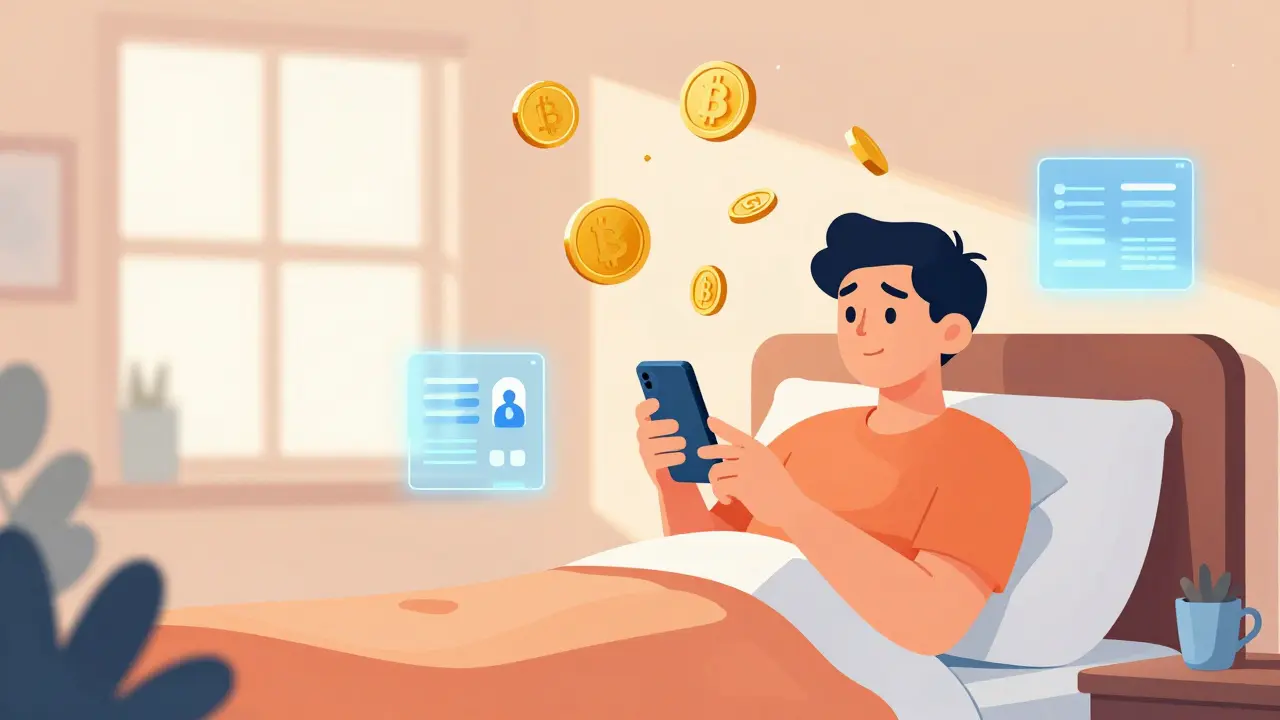
Imagine waking up every morning not to a jarring alarm, but with the promise of earning cryptocurrency. That is the pitch behind DAYSTARTER, a project that positions itself as the first "Web3 Lifestyle dApp" designed to incentivize positive morning routines. At the heart of this ecosystem is its native token, DAYSTARTER (DST). But does the concept hold water, or is it just another speculative micro-cap asset? To understand what you are getting into, we need to look past the marketing hype and examine the token’s mechanics, its market reality, and the significant risks involved.
DAYSTARTER (DST) is a governance token operating on the Polygon blockchain. It serves as the primary utility and value-capture asset for the DAYSTARTER application. The core idea is simple: users perform specific "Wake-Up Routines" within the app, earn internal points called DAYSTARTER Points (DSP), and can eventually convert these points into DST tokens. Holding DST grants you voting rights in the ecosystem and a share of protocol fees if you choose to stake your tokens. While the premise of gamifying daily habits sounds appealing, the financial reality of DST tells a different story-one of extreme volatility, low liquidity, and opaque data.
The Core Mechanics: How the Ecosystem Works
To understand DST, you first have to understand the two-token structure that drives the DAYSTARTER app. This dual-token model is common in GameFi and lifestyle apps, separating everyday rewards from high-value governance assets.
- DAYSTARTER Point (DSP): This is the internal reward currency. You earn DSP by completing wake-up routines defined by the app. Think of this like experience points in a video game. You use DSP to acquire new NFTs or level up existing ones within the platform. DSP is not directly tradable on external exchanges; it stays inside the ecosystem.
- DAYSTARTER (DST): This is the actual cryptocurrency token. It functions as the governance token. Once you meet certain criteria (which are not fully detailed in public documentation), you can request to convert your accumulated DSP into DST. Holding DST allows you to vote on ecosystem decisions and earn a portion of the platform's fees through staking.
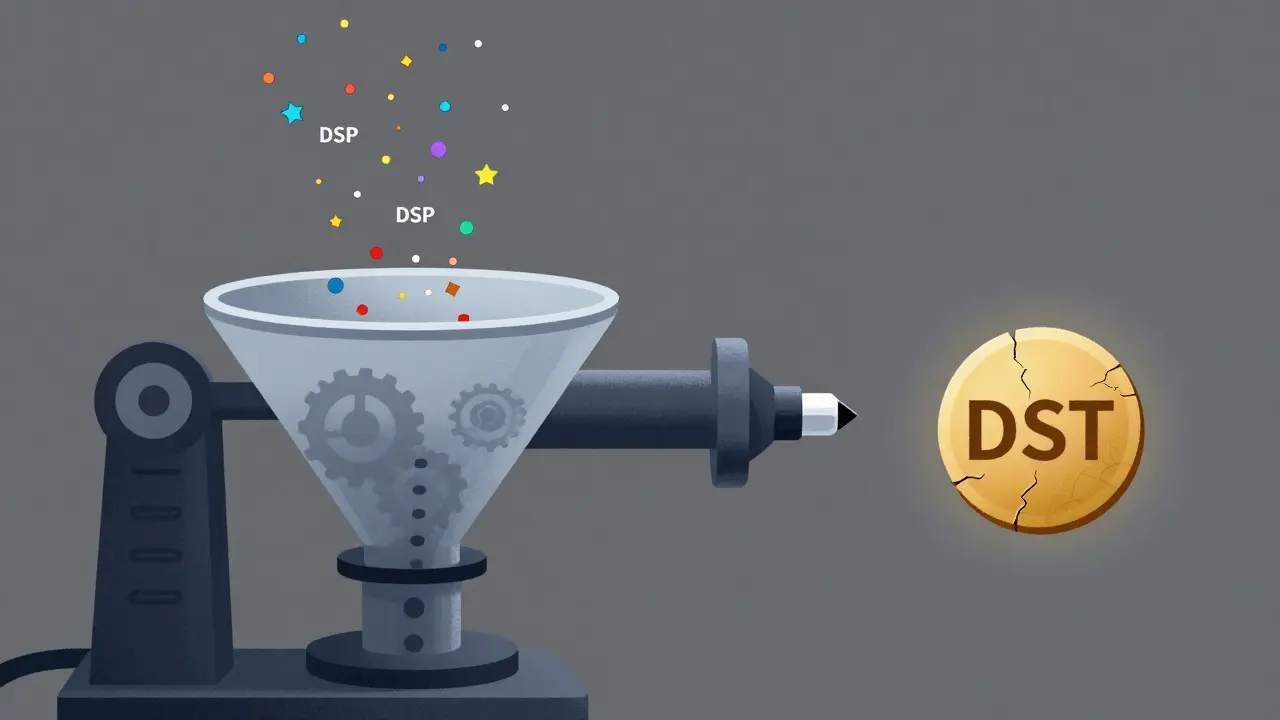
This structure creates a funnel: habit formation leads to point accumulation, which leads to token acquisition. However, the conversion ratio between DSP and DST, along with the exact conditions for conversion, remains vague. This lack of transparency makes it difficult for users to calculate potential earnings accurately.
Tokenomics and Supply Details
When evaluating any cryptocurrency, supply dynamics are crucial. For DAYSTARTER (DST), the numbers present some inconsistencies across different tracking platforms, which is a red flag for due diligence.
| Attribute | Value / Detail |
|---|---|
| Total Supply | 1,000,000,000 DST (Fixed) |
| Circulating Supply | ~52.75 million (per CoinCarp); 0 (per Coinbase/LiquidityFinder) |
| Blockchain | Polygon (EVM-compatible) |
| Contract Address | 0x82dbf4227a981211d84f59092889eadbb9c2a4d2 (CoinCarp) 0xe3A46b2Bc1d83C731D58cAb765D3b45bCe789095 (LiveCoinWatch) |
| Launch Year | 2022 |
The discrepancy in circulating supply is notable. Some aggregators report a circulating supply of around 52.75 million tokens, while others show zero. This suggests either that most tokens are locked/unreleased, or that data feeds are outdated. With a fixed total supply of 1 billion DST, the current market capitalization is extremely small, placing DST firmly in the "micro-cap" category. This means even small trades can cause significant price swings.
Market Performance and Liquidity Risks
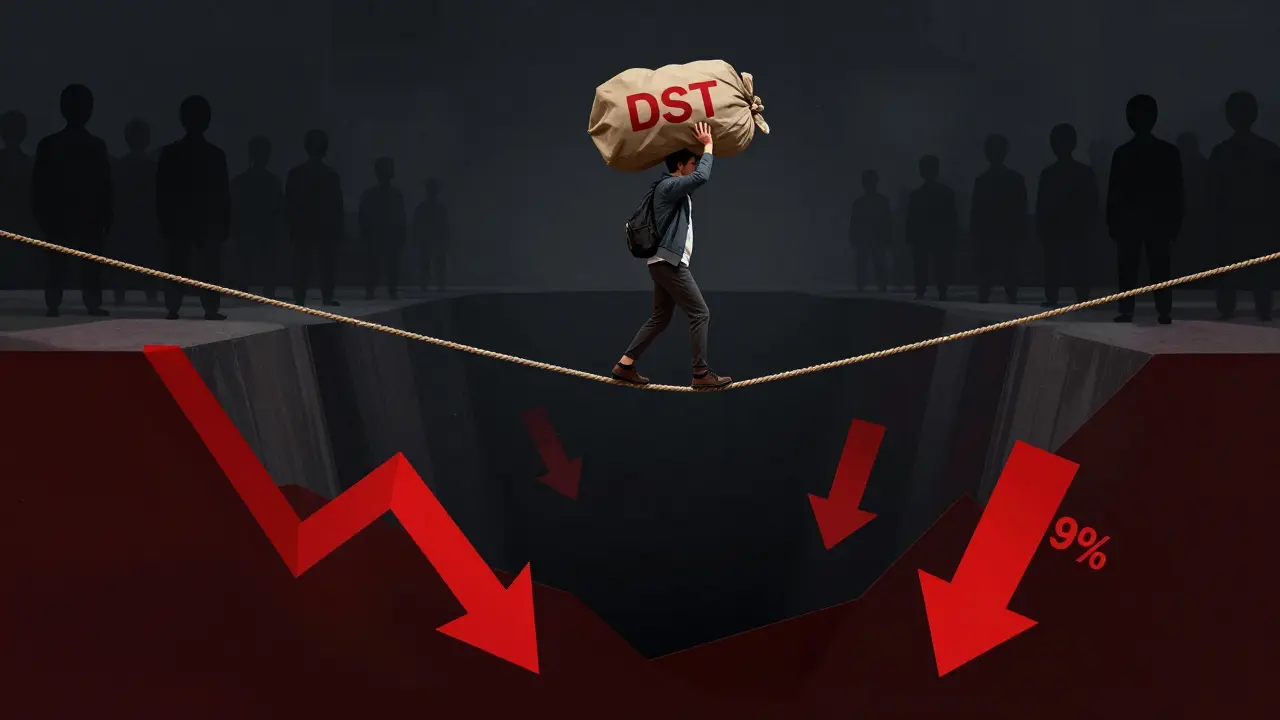
If you are considering buying DST, you need to be aware of its trading history. The token has experienced severe drawdowns. According to data from Altfins, DST reached an all-time high (ATH) of $3.731 on December 4, 2025. As of recent snapshots, the price hovers around $0.034, representing a drop of over 99% from its peak. Other sources, like LiveCoinWatch, report conflicting ATH figures and last trade dates as far back as late 2023, highlighting inconsistent data tracking.
Liquidity is another major concern. Daily trading volume is consistently reported between $7,800 and $8,600. For context, top-tier cryptocurrencies see billions in daily volume. With such low volume, selling a substantial amount of DST could result in massive slippage-meaning you might get much less than the listed price when you try to sell. Furthermore, DST is not listed on major centralized exchanges like Coinbase for spot trading, limiting accessibility for retail investors.
Security and Transparency Concerns
In the crypto world, trust is built through transparency. Unfortunately, DAYSTARTER falls short in several key areas:
- No Public Audits: None of the major market data aggregators reference third-party smart contract audits for the DST token. Without an audit, there is no independent verification that the code is secure or free from backdoors.
- Anonymous Team: There is no publicly indexed information about the founding company, legal entity, or individual developers behind DAYSTARTER. Anonymous teams increase the risk of rug pulls or abandonment.
- Multiple Contract Addresses: Different platforms list different contract addresses for DST. This could indicate a migration, but it also raises the risk of users interacting with fake or old contracts.
These factors make DST a high-risk asset. It lacks the foundational elements that typically support long-term viability in the crypto space.
Who Is DAYSTARTER (DST) For?
Given the risks, DST is not suitable for conservative investors or those seeking stable returns. It may appeal to:
- Speculative Traders: Individuals comfortable with extreme volatility and the possibility of losing their entire investment in search of high multiples.
- Niche Enthusiasts: Users who genuinely engage with the DAYSTARTER app’s lifestyle gamification and want to participate in its governance, regardless of financial gain.
For everyone else, the combination of low liquidity, anonymous development, and severe price decay suggests caution. Always conduct your own research (DYOR) and never invest more than you can afford to lose.
Is DAYSTARTER (DST) a safe investment?
No, DST is considered a high-risk, speculative asset. It has low liquidity, an anonymous team, no public security audits, and has dropped over 99% from its all-time high. Only invest funds you are prepared to lose entirely.
How do I earn DAYSTARTER (DST) tokens?
You earn DST indirectly by using the DAYSTARTER app. First, complete wake-up routines to earn DAYSTARTER Points (DSP). Then, once you meet unspecified criteria, you can convert DSP into DST. You can also buy DST on niche exchanges, though liquidity is very low.
What blockchain is DAYSTARTER built on?
DAYSTARTER (DST) operates on the Polygon blockchain, which is an Ethereum-compatible network known for low transaction fees and fast processing speeds.
Can I buy DST on Coinbase or Binance?
As of the latest data, DST is not listed for spot trading on major centralized exchanges like Coinbase or Binance. It is primarily traded on smaller, niche platforms, which limits accessibility and increases counterparty risk.
What is the difference between DSP and DST?
DSP (DAYSTARTER Point) is an internal reward point earned in-app for activities. It cannot be traded externally. DST is the actual cryptocurrency token used for governance, staking, and fee sharing. DSP can potentially be converted to DST under specific conditions.