Proof of Stake Explained: How It Powers Crypto Networks and Why It Matters
When you hear proof of stake, a consensus mechanism that lets blockchain networks validate transactions using crypto holdings instead of computational power. Also known as PoS, it's the engine behind Ethereum, Cardano, and most modern blockchains today. Unlike proof of work, which burns electricity to solve math puzzles, proof of stake picks validators based on how much crypto they lock up—called staking, the act of locking crypto to help secure a blockchain and earn rewards. No rigs, no noise, no massive energy bills. Just your coins working for you.
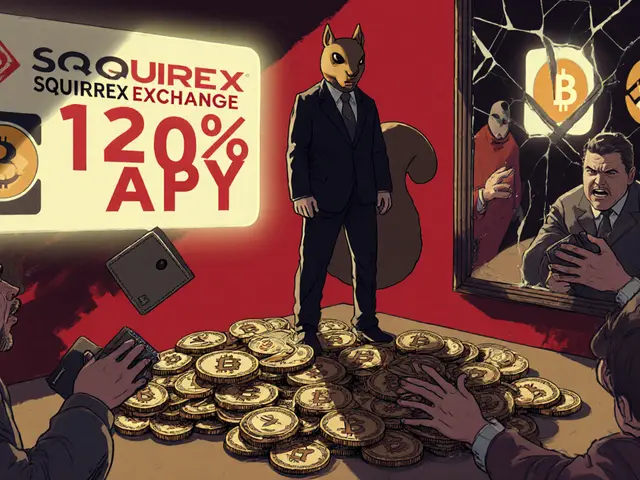
But staking isn’t magic. It comes with real risks. liquid staking, a method that lets you stake your crypto while still using it elsewhere, like trading or lending, sounds great—until your staked ETH depegs from its value or a smart contract gets hacked. That’s not theory. It happened in 2023 with stETH, and users lost millions. And if you stake on a shady DeFi platform? You might be funding a scam. Posts here cover projects like Sheesha Finance and CremePie Swap, where fake staking rewards lured people in with promises of returns that didn’t exist.
Proof of stake also changes how blockchains grow. It enables DeFi staking, staking crypto directly in decentralized finance protocols to earn yield—but that’s where things get messy. Some platforms offer 20% APY, but they have zero trading volume, no team, and no audits. Others, like Brokoli Network or OmniCat, claim to combine staking with gaming or cross-chain tech, but their tokens crashed 99% because no one actually used them. Meanwhile, big players like Ethereum moved to proof of stake to cut energy use by 99.95%. That’s real progress. But the wild west of DeFi staking? That’s where most people lose money.
So what’s the real story? Proof of stake isn’t just a tech upgrade—it’s a power shift. It gives holders influence over the network. But it also puts your money directly at risk. The posts below don’t sugarcoat it. You’ll find breakdowns of liquid staking dangers, scam platforms hiding behind staking promises, and real cases where staking led to total losses. Whether you’re new to staking or you’ve been earning rewards for years, this collection cuts through the hype. No fluff. Just what you need to know before you lock up your crypto.