
MAI (MIMATIC) Explained: The Over‑collateralized Stablecoin on Polygon
A clear, conversational guide to MAI (MIMATIC), the decentralized over‑collateralized stablecoin on Polygon-how it works, where to use it, risks, and future outlook.
When working with Polygon, a Layer 2 scaling solution for Ethereum that uses a side‑chain architecture to boost transaction speed and cut fees. Also known as Matic, it connects Ethereum’s security with its own fast network, making it a go‑to platform for DeFi apps, NFTs and token airdrops, you instantly get a more affordable way to move value. Ethereum, the original smart‑contract blockchain that Polygon extends provides the security backbone, while Polygon adds the speed layer. This relationship forms a classic “Layer 2 on top of Layer 1” model: Polygon encompasses fast settlement, requires Ethereum compatibility, and enables new use cases that would be costly on the base chain.
In the world of DeFi, decentralized finance that lets anyone lend, borrow or trade without a bank, Polygon’s low fees unlock strategies that were previously impractical. Yield farms, automated market makers and cross‑chain bridges all run smoother on its network, which explains why many projects launch their token airdrops, free token distributions used to bootstrap communities on Polygon first. The 2021 Cipher airdrop, for example, required users to migrate to Polygon to claim their rewards, highlighting how the platform fuels token incentives. NFT creators also love Polygon because minting an NFT costs pennies instead of dollars, turning art drops and gaming items into everyday experiences. These three forces—DeFi, airdrops, and NFTs—feed each other, creating a virtuous circle where cheap transactions spur more users, and more users attract new projects.
Beyond the technical benefits, Polygon integrates with major crypto exchanges, stablecoin issuers and gaming platforms, meaning you’ll see it pop up in market analysis, exchange reviews and token guides. In the articles below you’ll find deep dives on how Polygon‑based projects dodge high fees, how airdrop mechanics differ on its side‑chain, and why regulators are paying close attention to Layer 2 activity. Whether you’re hunting for the next high‑yield DeFi move, scouting a fresh NFT drop, or simply want to understand how Polygon fits into the broader Ethereum ecosystem, this collection gives you actionable insights without the jargon.
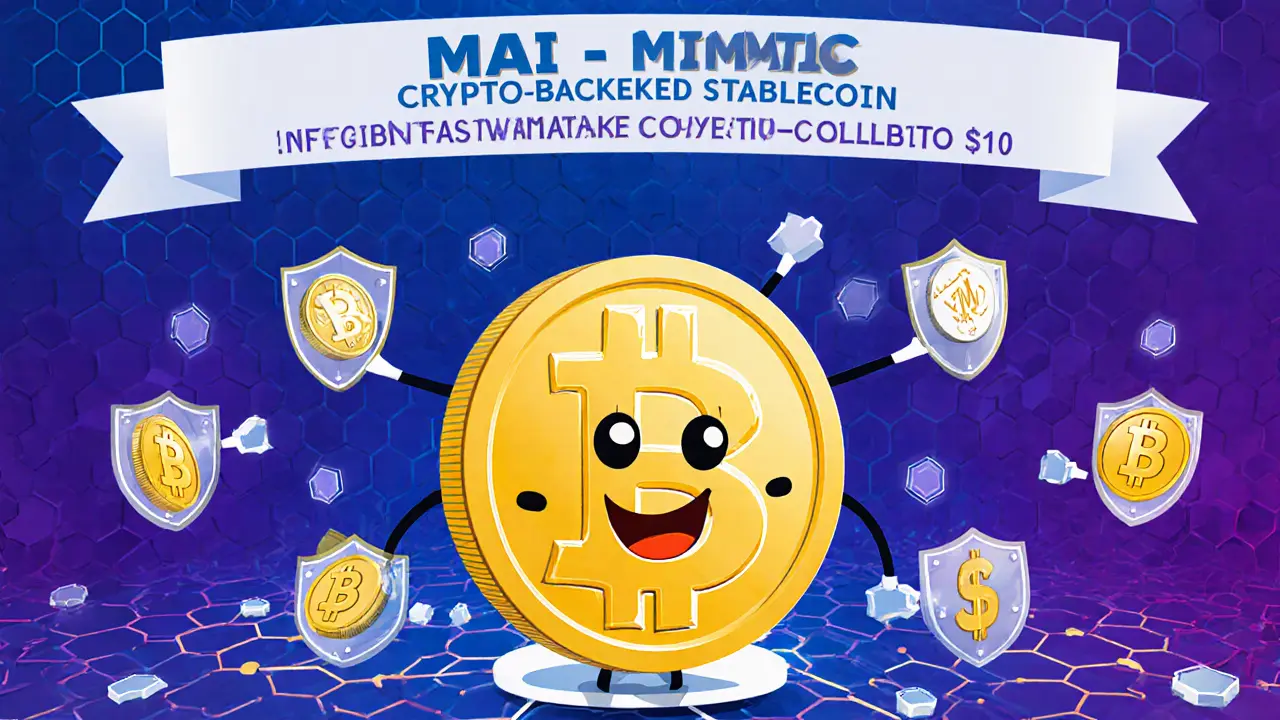
A clear, conversational guide to MAI (MIMATIC), the decentralized over‑collateralized stablecoin on Polygon-how it works, where to use it, risks, and future outlook.