How Venezuela Uses Crypto to Evade Sanctions
Explore how Venezuela built a crypto ecosystem-PETRO, state exchanges, and USDT stablecoins-to sidestep sanctions, the compliance red flags, and what the future may hold.
When working with PDVSA crypto, the digital token initiative tied to Venezuela’s state oil company, designed to tokenise oil revenues and draw global capital. Also known as Venezuela oil token, it provides a blockchain‑based way to trade oil‑related assets. This concept blends traditional commodities with modern finance, creating a bridge between oil markets and the crypto world.
If you’re wondering why PDVSA crypto matters, start with its core idea: tokenised oil assets give investors a slice of a real commodity without dealing with physical barrels. The token can be bought, sold, or held just like any other cryptocurrency, but its value is anchored to oil production figures reported by PDVSA.
A cryptocurrency exchange, platform that matches buyers and sellers of digital assets is essential for any token to gain liquidity. For PDVSA crypto, exchanges act as the marketplace where oil‑backed tokens meet traders, providing price discovery and allowing investors to enter or exit positions in real time. Without an exchange, the token would remain locked in wallets with limited utility.
Most token projects lean on a stablecoin, a crypto asset pegged to a fiat currency or commodity to reduce price volatility to smooth out daily price swings. In the case of PDVSA crypto, a stablecoin can be paired to shield investors from oil price turbulence, offering a predictable value reference point while still leveraging blockchain’s speed.
Another growth driver is the crypto airdrop, free distribution of tokens to eligible wallets to boost awareness and adoption. Early‑stage PDVSA crypto projects may use airdrops to reward community members, seed liquidity, and generate buzz among crypto enthusiasts who could become long‑term holders.
Finally, DeFi lending, protocols that let users lend or borrow assets without traditional intermediaries opens a path for token holders to earn yield. By collateralising PDVSA crypto, users can borrow stablecoins or other tokens, turning their oil‑backed assets into a source of passive income while still retaining ownership.
These five pieces fit together like a puzzle: PDVSA crypto tokenises oil, exchanges provide the market, stablecoins tame volatility, airdrops spread the word, and DeFi lending unlocks financial utility. Below you’ll find a curated list of articles that dive deeper into each of these areas, from exchange reviews to airdrop guides and stablecoin analysis, giving you the practical insights you need to navigate this emerging niche.
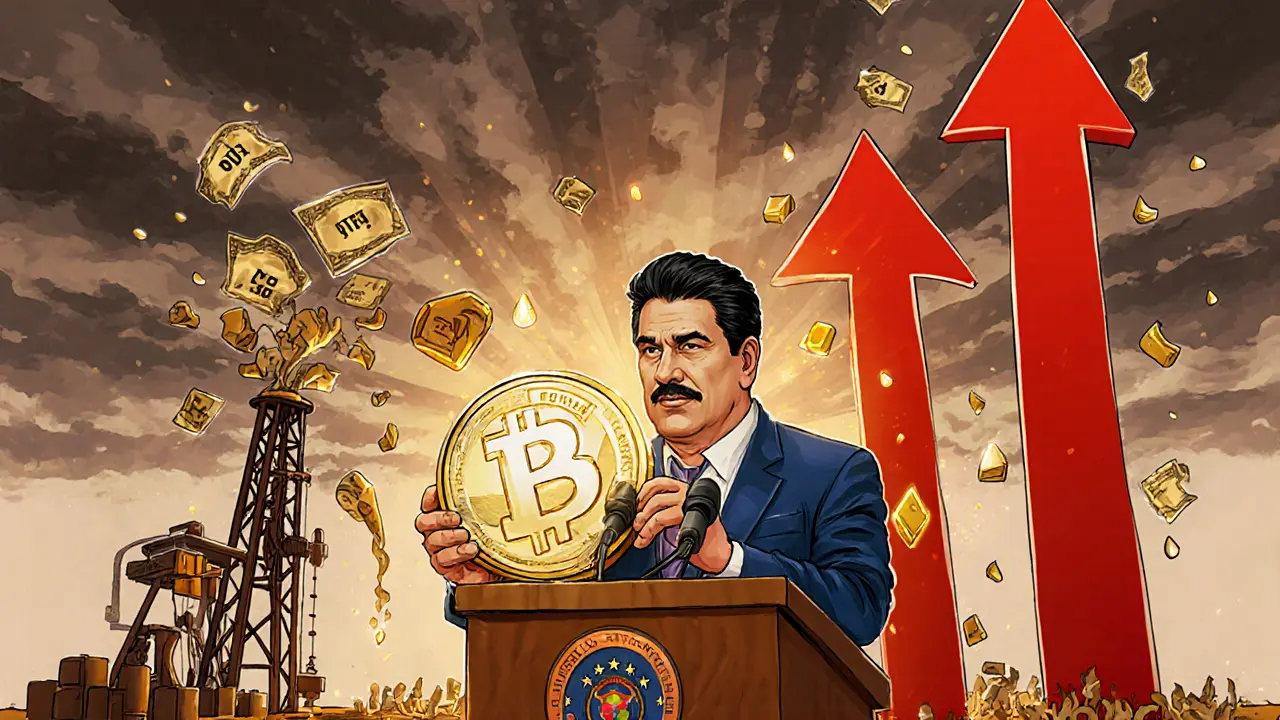
Explore how Venezuela built a crypto ecosystem-PETRO, state exchanges, and USDT stablecoins-to sidestep sanctions, the compliance red flags, and what the future may hold.