OEX Crypto Exchange Review 2025: Fees, Security, and Token Insights
A detailed 2025 review of OEX crypto exchange covering fees, security, trading features, and the OpenEX Network token's utility and risks.
When working with OpenEX token, a utility token that powers the OpenEX decentralized exchange platform. Also known as OX, it enables fee discounts, governance voting, and liquidity incentives across the ecosystem. In simple terms, the OpenEX token sits at the heart of a trading network that blends spot, derivatives, and staking features. It encompasses utility, governance, and reward functions, while requires the ERC‑20 standard to interact with wallets and smart contracts. The token’s price dynamics are influenced by activity on the OpenEX exchange, broader DeFi trends, and token‑supply mechanisms.
The OpenEX exchange, a hybrid platform offering both centralized order books and decentralized liquidity pools is the primary venue where the token is used. Because the exchange supports ERC‑20 assets, the OpenEX token inherits the security and compatibility benefits of that standard. This means any wallet that handles ERC‑20 tokens can store OpenEX without extra steps. The token also integrates tightly with the DeFi ecosystem, a network of protocols that provide lending, borrowing, and yield farming services. Through DeFi bridges, users can stake OpenEX for additional yields, participate in liquidity mining, or vote on protocol upgrades, linking token value directly to broader market participation.
First, the tokenomics, the economic design that defines supply, distribution, and utility of OpenEX are built around scarcity and community incentives. Total supply is capped at 100 million tokens, with 40 % allocated to public sale, 20 % reserved for ecosystem rewards, 15 % for the development team (vested over four years), and the remaining 25 % for strategic partners and liquidity provision. Each transaction on the exchange burns a small percentage of tokens, creating a deflationary pressure that can lift long‑term price when usage grows.
Second, the token’s utility on the OpenEX exchange is multi‑layered. Traders receive up to a 30 % discount on trading fees when they hold a minimum amount of OpenEX in their account. Stakers earn a share of the platform’s fee revenue, effectively turning the token into a passive income source. Governance rights let holders propose and vote on new features, such as adding novel derivatives contracts or tweaking fee structures, ensuring the protocol evolves with community demand.
Finally, the OpenEX token participates in regular airdrop and incentive campaigns. Recent airdrops targeted early adopters who provided liquidity on the platform’s AMM pools, rewarding them with additional tokens proportional to their contribution. These campaigns not only boost token distribution but also deepen user engagement with the ecosystem, creating a feedback loop where higher participation fuels more utility and, potentially, higher token value.
With these fundamentals in mind, you’ll find the articles below dive deeper into each angle—whether you’re curious about the token’s technical specs, its role in DeFi, or the latest exchange updates. Explore the collection to see how the OpenEX token fits into the broader crypto landscape and how you can make the most of its features.
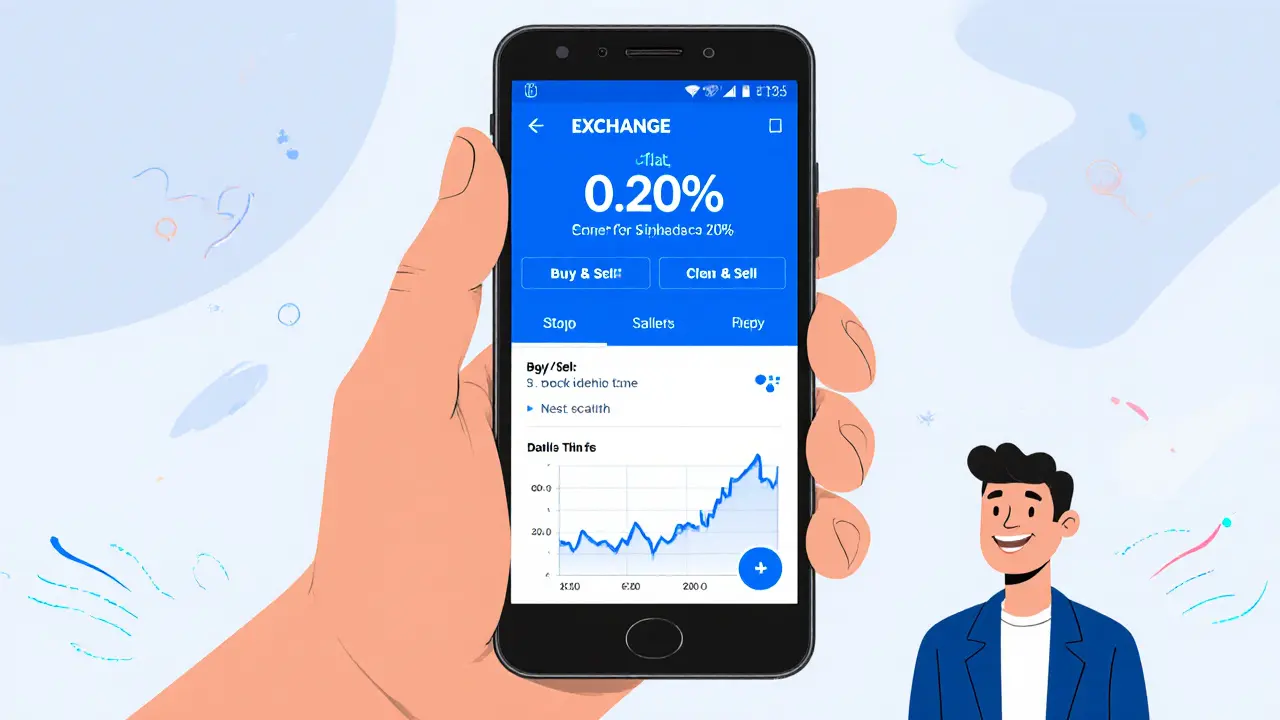
A detailed 2025 review of OEX crypto exchange covering fees, security, trading features, and the OpenEX Network token's utility and risks.