NFT Music Ownership: How Blockchain Transforms Artist Revenue and Fan Rights
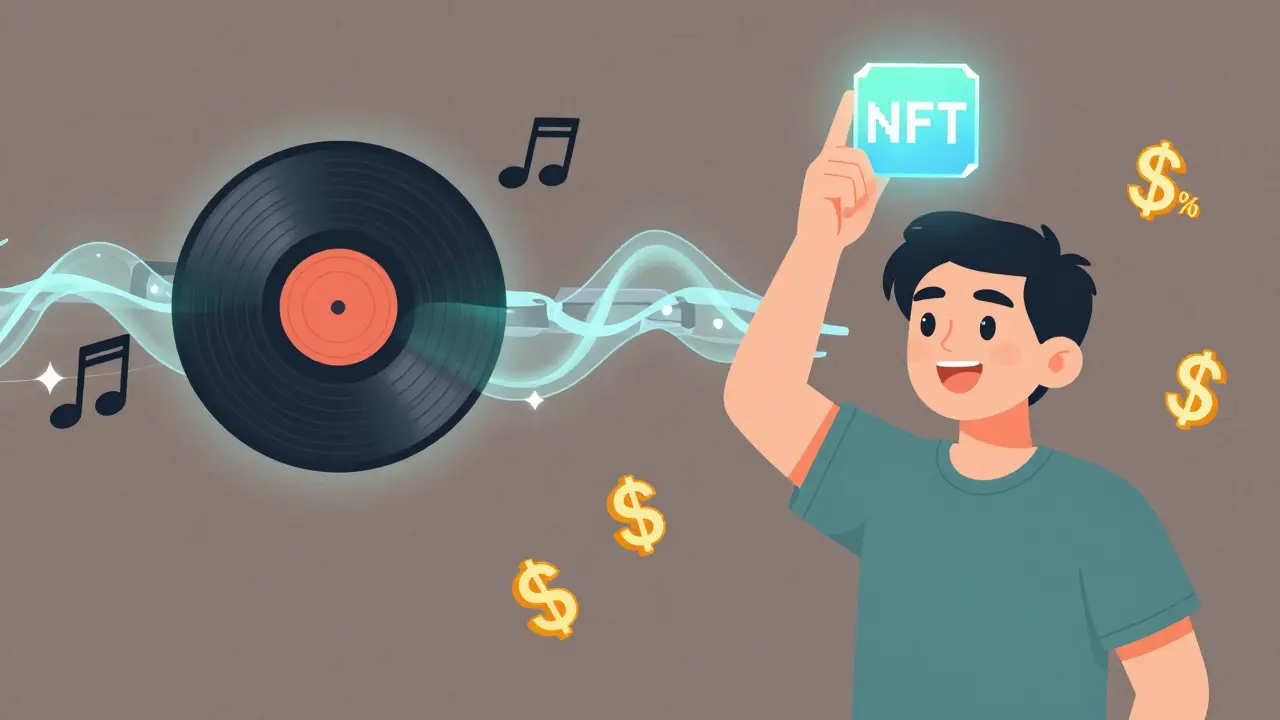
When you buy an NFT music ownership, a unique digital certificate tied to a song or album that proves you own a verified piece of that music. Also known as music NFTs, it lets fans own more than just a streaming license—they own a piece of the art, with rights that can include royalties, exclusive access, or even voting on future releases. This isn’t just about owning a file. It’s about shifting power from big labels to artists and listeners who actually care about the music.
Before NFTs, if you bought a song on iTunes, you got a license to listen—not to own, resell, or profit from it. But with NFT music ownership, artists can program smart contracts to give them a cut every time the NFT changes hands. That means a producer who drops a track as an NFT might earn 10% every time someone resells it, even years later. It’s a system that rewards creators long after the initial sale. And fans? They’re not just consumers anymore. They’re stakeholders. Some NFT music projects even let owners vote on remixes, tour setlists, or album artwork. That’s real community-driven creativity.
Related concepts like blockchain music, a system where music rights, sales, and royalties are recorded on a public ledger, make this possible. Unlike traditional platforms that take 30% or more, blockchain music cuts out middlemen. artist royalties NFT, automatic payments sent to creators each time an NFT is traded are built into the code—no delays, no disputes. And because every transaction is public and permanent, there’s no way to fake ownership or hide sales.
This isn’t theory. Artists like Kings of Leon and Grimes have sold NFT albums for millions. Even smaller creators on platforms like Audius or Royal are earning steady income from resale royalties. But it’s not just for stars. A bedroom producer can drop a 30-second loop as an NFT and still earn from every future sale. The barrier to entry is low, and the upside is real.
Of course, it’s not perfect. Some NFT music projects are hype-driven, with no real utility. Others have high gas fees or confusing ownership rules. But the core idea—giving artists control and fans real ownership—is here to stay. What you’ll find in this collection are real examples, scams to avoid, and clear breakdowns of how NFT music ownership actually works in 2025. No fluff. Just what you need to know to understand, participate, or even profit from it.