
Top 8 Countries with the Harshest Crypto Restrictions and Bans in 2025
Discover the eight nations with the toughest crypto restrictions in 2025, from full bans to heavy taxes, and learn how they affect users.
When dealing with cryptocurrency bans, government‑imposed prohibitions or strict regulations that limit the use, trade, or promotion of digital assets, investors quickly learn why staying informed is a survival skill. Also known as crypto restrictions, these bans affect everything from mining rigs to token listings. cryptocurrency bans are not just legal notices; they dictate where you can buy, sell, or even talk about a coin.
One major regulatory restriction, a rule that limits or forbids certain crypto activities in a jurisdiction is the outright ban on crypto exchanges. Countries like China and India have shut down local platforms, forcing traders to switch to offshore services. This exchange ban creates a ripple: liquidity dries up, price volatility spikes, and compliance costs rise for any platform that wants to stay legal. In turn, cross‑border monitoring, the practice of tracking crypto flows across national borders becomes essential for regulators trying to enforce those bans.
Another layer comes from geographic restriction, limitations that prevent residents of certain regions from accessing specific crypto services. These restrictions are often tied to KYC and AML laws, meaning a platform that operates in the EU might refuse service to users in a country with a ban. The result is a patchwork of access rules that traders must navigate daily. As a practical example, a user in Brazil may face higher fees or outright denial on a platform that is freely available to a European counterpart.
All these pieces fit together in a simple logical chain: cryptocurrency bans encompass regulatory restrictions, which require cross‑border monitoring, and they shape the landscape of geographic restrictions. When a government announces a new ban, exchanges scramble to adjust their compliance frameworks, miners assess the risk of continuing operations, and investors re‑balance portfolios to avoid locked assets.
From a trader’s perspective, the most actionable insight is to track the regulatory news feed of the jurisdictions you operate in. If a country tightens its crypto exchange ban, a prohibition that forces local exchanges to close or cease offering services, you’ll want a backup plan—whether that’s switching to a decentralized exchange, using a VPN, or moving assets to a jurisdiction with friendlier rules. Keeping an eye on cross‑border monitoring initiatives also helps you anticipate which transfers might be flagged or delayed.
Finally, understanding the intent behind these bans can guide your long‑term strategy. Some governments aim to protect consumers from fraud, while others view crypto as a threat to monetary sovereignty. Recognizing the motive helps you predict whether a ban is likely to be temporary, strict, or evolve into a more nuanced regulatory framework. This perspective turns a seemingly chaotic news cycle into a set of predictable patterns you can plan around.
Below you’ll find a curated list of articles that dive deeper into each of these themes—from exchange reviews that highlight how bans affect platform safety, to country‑specific guides on mining regulations and cross‑border compliance. Use them as a practical toolbox to stay ahead of the ever‑shifting regulatory tide.
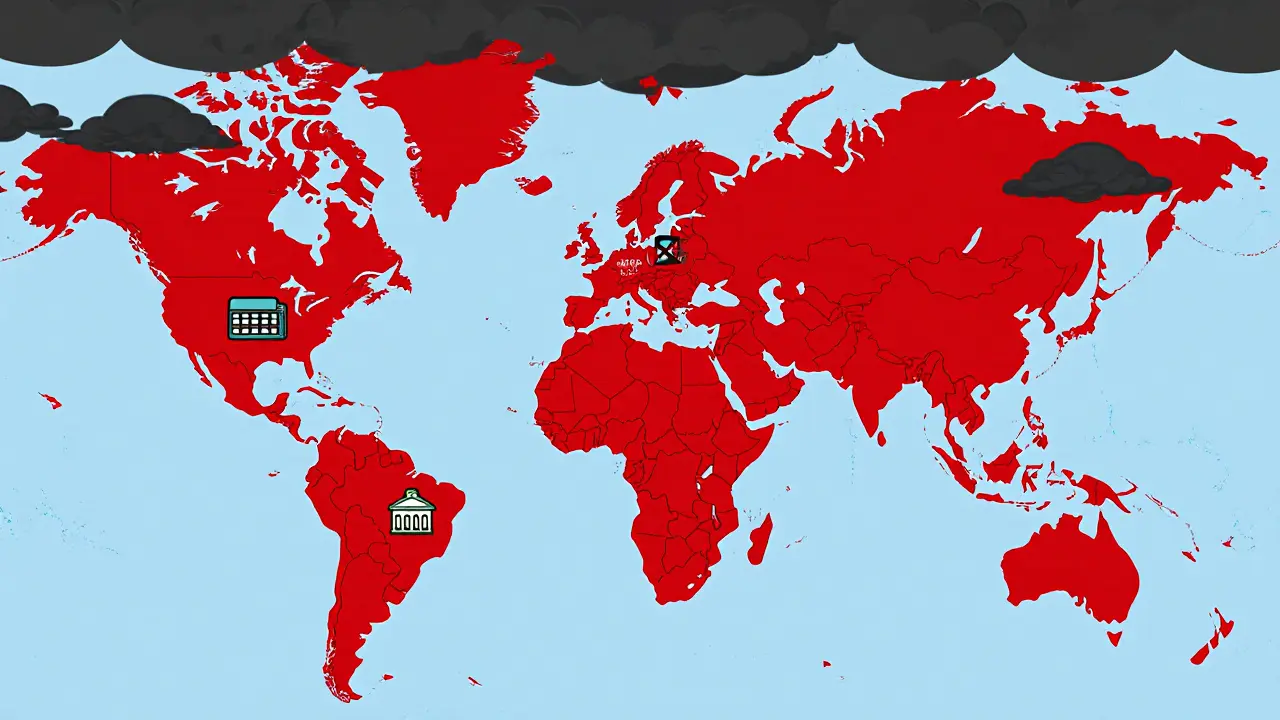
Discover the eight nations with the toughest crypto restrictions in 2025, from full bans to heavy taxes, and learn how they affect users.