
Top 8 Countries with the Harshest Crypto Restrictions and Bans in 2025
Discover the eight nations with the toughest crypto restrictions in 2025, from full bans to heavy taxes, and learn how they affect users.
When dealing with Crypto Restrictions, the set of laws, regulations, and policy measures that limit how, where, and by whom cryptocurrencies can be used, traded, or mined. Also known as cryptocurrency regulations, it shapes everything from exchange licensing to tax reporting.
One of the first things to notice is that Crypto Exchanges, platforms that let users buy, sell, or swap digital assets sit directly under the eyes of regulators. In the United States, the SEC demands strict KYC and AML checks, while in some Asian markets the same platforms operate with minimal oversight. This creates a clear semantic link: crypto restrictions encompass geographic regulations, exchange licensing, and tax rules. The rule that crypto restrictions require exchanges to verify identity means users in high‑risk jurisdictions often face extra paperwork or even a complete shutdown of service.
Geography matters a lot. Geographic Crypto Bans, governmental prohibitions that prevent residents from accessing crypto services exist in places like China, where mining and trading are outright illegal, and in parts of the Middle East, where only licensed entities may operate. These bans trigger a cascade: unlicensed exchanges are forced offline, and users must turn to decentralized alternatives, which brings its own set of risks. Meanwhile, the European Union’s MiCA framework is rolling out a unified set of rules that aim to protect investors without choking innovation. The interplay between regional bans and exchange compliance forms a key semantic triple that shapes the market.
Tax policies form another pillar of crypto restrictions. Crypto Taxation, the mandatory reporting and levy on crypto gains or income varies from a flat 30% rate in South Korea to a 0% capital gains tax for long‑term holdings in Germany. When a country adopts aggressive tax reporting, investors often look for stablecoins or privacy coins to reduce visibility. This relationship—taxation influences stablecoin adoption—is a classic semantic connection that drives user behavior.
Stablecoins themselves are not immune to restriction. Stablecoins, cryptocurrencies pegged to a fiat currency or commodity to reduce volatility can be classified as securities, money market instruments, or even payment tokens depending on the jurisdiction. In the U.S., the SEC’s recent moves to treat certain stablecoins as securities add another layer of compliance for issuers, while the EU’s regulations aim to treat them as e‑money. The rule that regulatory frameworks influence stablecoin classification adds another semantic triple to our picture.
All these pieces—exchange rules, geographic bans, tax requirements, and stablecoin treatment—combine to form a complex web that any crypto user, developer, or investor must navigate. Knowing which entity applies to your situation helps you avoid fines, keep your assets safe, and stay compliant. Below you’ll find a curated list of articles that break down specific crypto restrictions, from India’s mining bans to Mexico’s banking limits, and from DeFi lending rules to cross‑border transaction monitoring. Dive in to see how each rule affects real‑world use cases and what steps you can take right now.
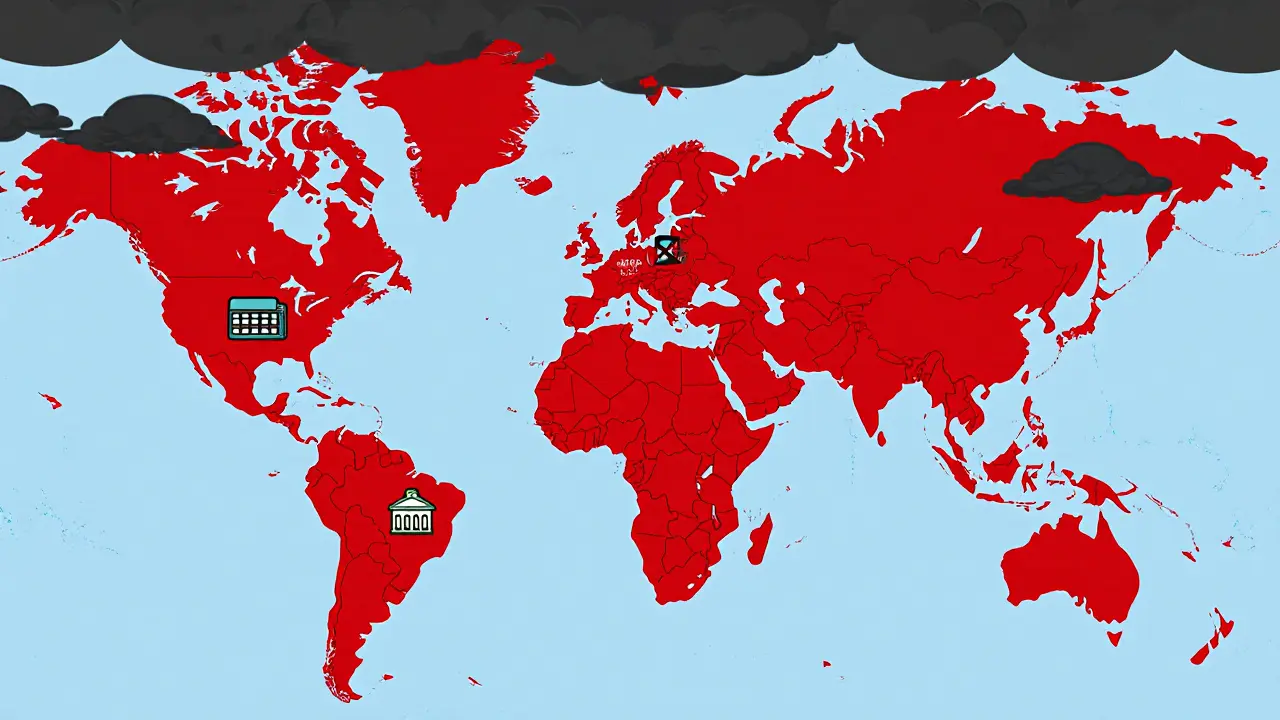
Discover the eight nations with the toughest crypto restrictions in 2025, from full bans to heavy taxes, and learn how they affect users.