Crypto Regulation UAE: What You Need to Know About Trading and Compliance in the Emirates
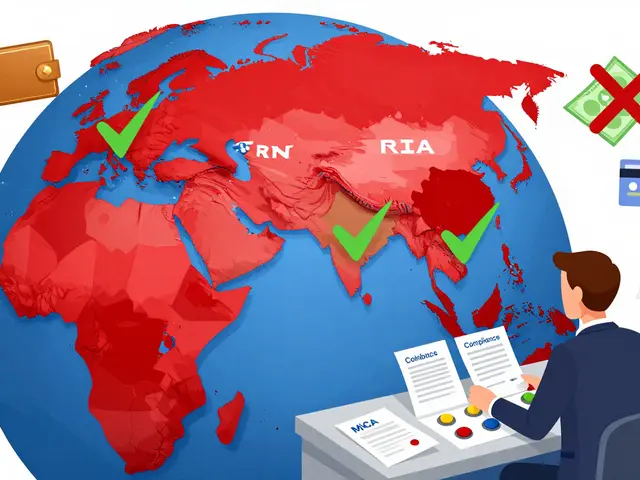
When it comes to crypto regulation UAE, the legal framework governing cryptocurrency use, trading, and taxation in the United Arab Emirates. Also known as UAE cryptocurrency laws, it’s one of the most structured systems in the Middle East—unlike outright bans in countries like China or Bangladesh. The UAE doesn’t just tolerate crypto; it’s building infrastructure around it. From Dubai’s Virtual Assets Regulatory Authority (VARA) to Abu Dhabi’s global financial free zones, the government is actively inviting blockchain businesses—on its own terms.
What does this mean for you? If you’re trading crypto in the UAE, you’re not in a legal gray area—you’re in a regulated space. Licensed exchanges like Reku, a regulated crypto and US stock exchange operating in Indonesia might not be based here, but platforms approved by VARA and the Central Bank of the UAE are. These include BitOasis, Bybit, and Kraken’s UAE operations. You can buy Bitcoin, stake Ethereum, or trade tokens legally—but only through these licensed channels. Unlicensed platforms? They’re not just risky—they’re illegal.
And then there’s crypto tax UAE, the official stance on how cryptocurrency gains are treated under UAE income and corporate tax rules. Right now, there’s no personal income tax on crypto profits. That’s a big deal. But if you’re running a business that trades or mines crypto, you’ll need to register, report, and pay corporate taxes. The rules are clear: no tax on personal holdings, but transparency is mandatory for commercial activity. This isn’t a loophole—it’s a policy designed to attract serious investors, not speculators.
Don’t assume the rules are the same across all emirates. Dubai pushes innovation hard, but Sharjah and other regions may enforce stricter oversight on advertising or wallet services. The UAE’s approach is regional, not national—so where you live or operate matters. If you’re a creator using blockchain payments, digital transactions settled on blockchain networks instead of traditional banking systems to get paid, you’re not breaking any laws. In fact, you’re using a tool the UAE wants to see grow.
But it’s not all smooth sailing. The UAE cracked down on unregistered airdrops and meme coins with zero utility—just like how it flagged projects like Sheesha Finance and CremePie Swap as high-risk. If a token has no team, no liquidity, and no real use case, regulators don’t care if it’s called a ‘meme coin’—it’s still a potential scam. The same logic applies to cross-chain bridges: they’re useful, but if they move $21.8 billion in illicit funds, they’re under scrutiny.
What you’ll find in the posts below are real-world examples of how crypto regulation plays out—not just in the UAE, but globally. You’ll see how Indonesia’s OJK rules compare, how Sweden limits mining to protect energy grids, and how Vietnam’s new framework could leave millions behind. You’ll also learn what happens when you ignore the rules: from frozen accounts to legal warnings. This isn’t theory. It’s what people are dealing with right now.