Crypto Mining Environmental Impact: Energy Use, Emissions, and Real Solutions
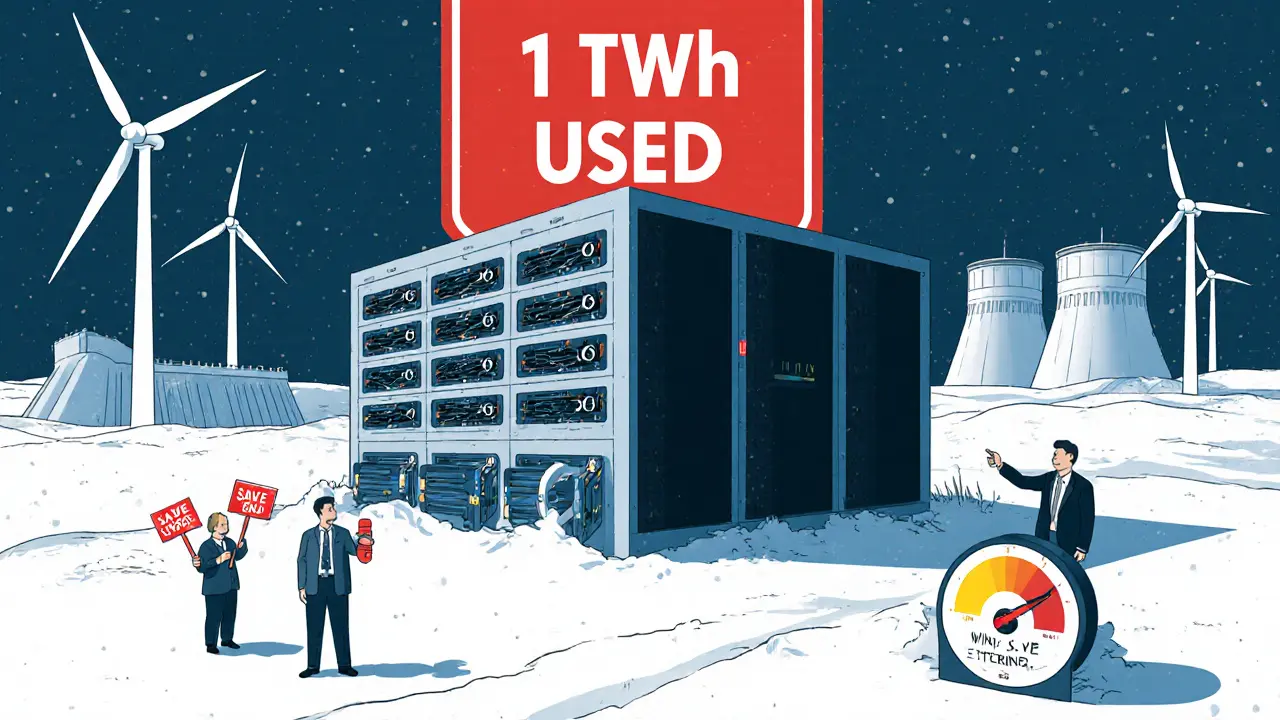
When you hear about crypto mining environmental impact, the energy and ecological costs of validating blockchain transactions, especially through proof-of-work systems like Bitcoin. It's not just about digital money—it's about power plants, cooling systems, and carbon emissions tied to every new block mined. Bitcoin alone uses more electricity each year than most countries. That’s not a guess—it’s based on data from the Cambridge Centre for Alternative Finance. And while some say it’s just a small price to pay for decentralization, the truth is, this isn’t sustainable in the long run.
The real issue isn’t just how much energy mining uses, but where that energy comes from. In places like Kazakhstan and Texas, miners flock to cheap coal or natural gas because it’s affordable. In Iceland, they use geothermal power—cleaner, but still a strain on local resources. Then there’s the e-waste: specialized mining rigs become obsolete in under two years, and most end up in landfills. proof of work, the consensus method used by Bitcoin and early blockchains that requires massive computational power to solve complex math problems is the main culprit. Compare that to proof of stake, a more efficient system where validators are chosen based on how much crypto they hold and are willing to "stake" as collateral. Ethereum switched to proof of stake in 2022 and cut its energy use by 99.95%. That’s not a tweak—it’s a revolution.
Some projects claim to be "green crypto"—like Brokoli Network, which ties rewards to real environmental actions. But without transparent data, those claims often don’t hold up. Meanwhile, countries like the UAE and El Salvador are quietly becoming crypto hubs not just because of tax rules, but because they’re investing in renewable energy to power mining operations. The future isn’t about banning mining—it’s about forcing it to go clean. If you care about the planet, you should care about which coins you support and how they’re secured. The tools to fix this exist. The question is: who’s willing to use them?
Below, you’ll find real breakdowns of how mining affects the environment, what alternatives are actually working, and which crypto projects are just greenwashing. No fluff. Just facts, data, and what you need to know to make smarter choices.