crypto禁令: What Happens When Countries Ban Cryptocurrency
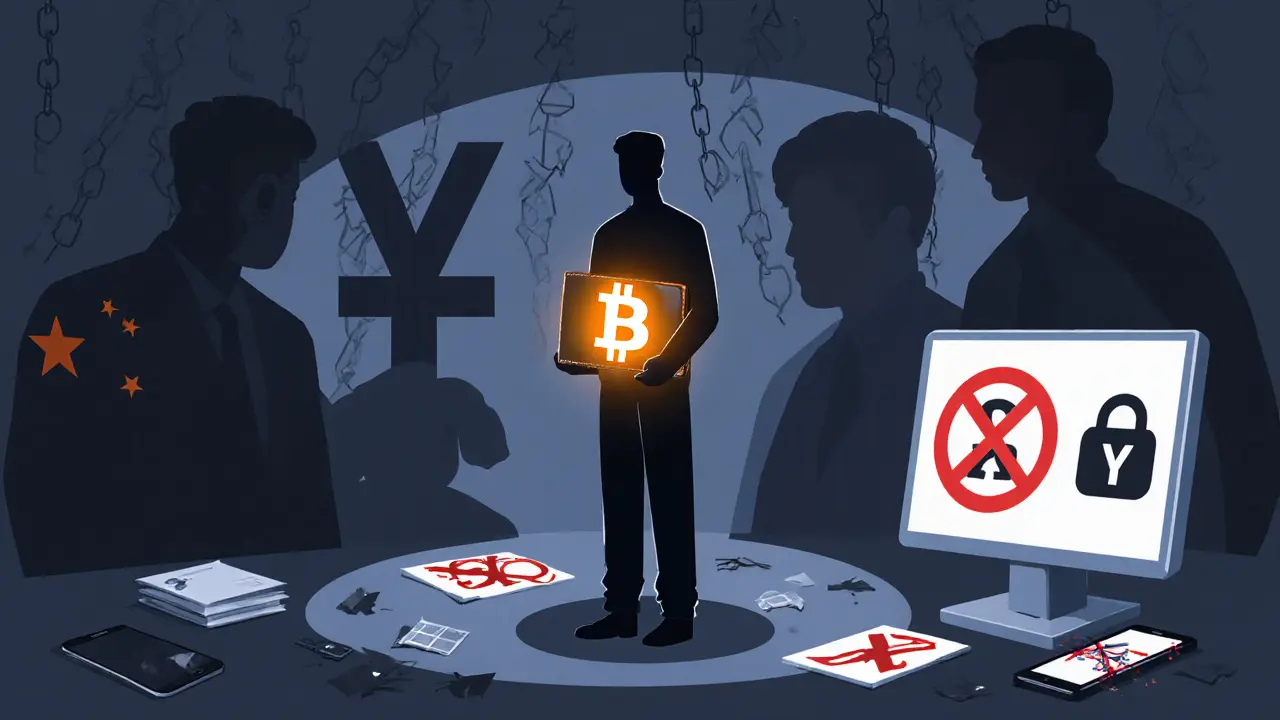
When a country imposes a crypto禁令, a government ban on cryptocurrency trading, ownership, or exchange use. Also known as cryptocurrency prohibition, it’s often framed as a move to protect financial stability—but in practice, it rarely stops people from using crypto. Countries like Bangladesh, Vietnam, and India have all issued warnings, restrictions, or outright bans, yet millions still trade. Why? Because crypto isn’t just about speculation—it’s about access, remittances, and escaping inflation.
These bans usually target banned crypto exchanges, foreign platforms that don’t comply with local financial regulators, not the technology itself. For example, India never banned Bitcoin, but it shut down unregistered exchanges like Binance and WazirX unless they registered with FIU-IND. In Bangladesh, a 12-year prison sentence for trading crypto is widely cited—but no one has actually been jailed for that long. The law exists to scare, not to enforce. Meanwhile, people use P2P platforms, VPNs, and local traders to keep moving money.
Even when exchanges are blocked, crypto regulation, the legal framework that governs how crypto can be used, taxed, or held often creates loopholes. Vietnam’s Directive 05/CT-TTg forces exchanges to operate only in VND and bans stablecoins, but that hasn’t stopped traders from using gold-backed tokens like VNX Euro or swapping through decentralized bridges. In Indonesia, strict rules from OJK require licensing and tax reporting—but those who follow them can trade legally. The real issue isn’t legality; it’s transparency. Most bans target unregulated platforms, not the coins themselves.
And then there’s the human side. In places where banks are slow or corrupt, crypto becomes a lifeline. People send money home, buy goods online, or protect savings from currency collapse—all without permission. The bans don’t kill crypto; they push it underground. What you’ll find in these articles aren’t just warnings about scams like Squirrex Exchange or CremePie Swap. You’ll see real stories: how Indonesians comply with tax rules, how Vietnamese traders navigate capital controls, how Bangladeshis trade despite the threat of jail. This isn’t about whether crypto is good or bad. It’s about who controls money—and what happens when people refuse to play by those rules.