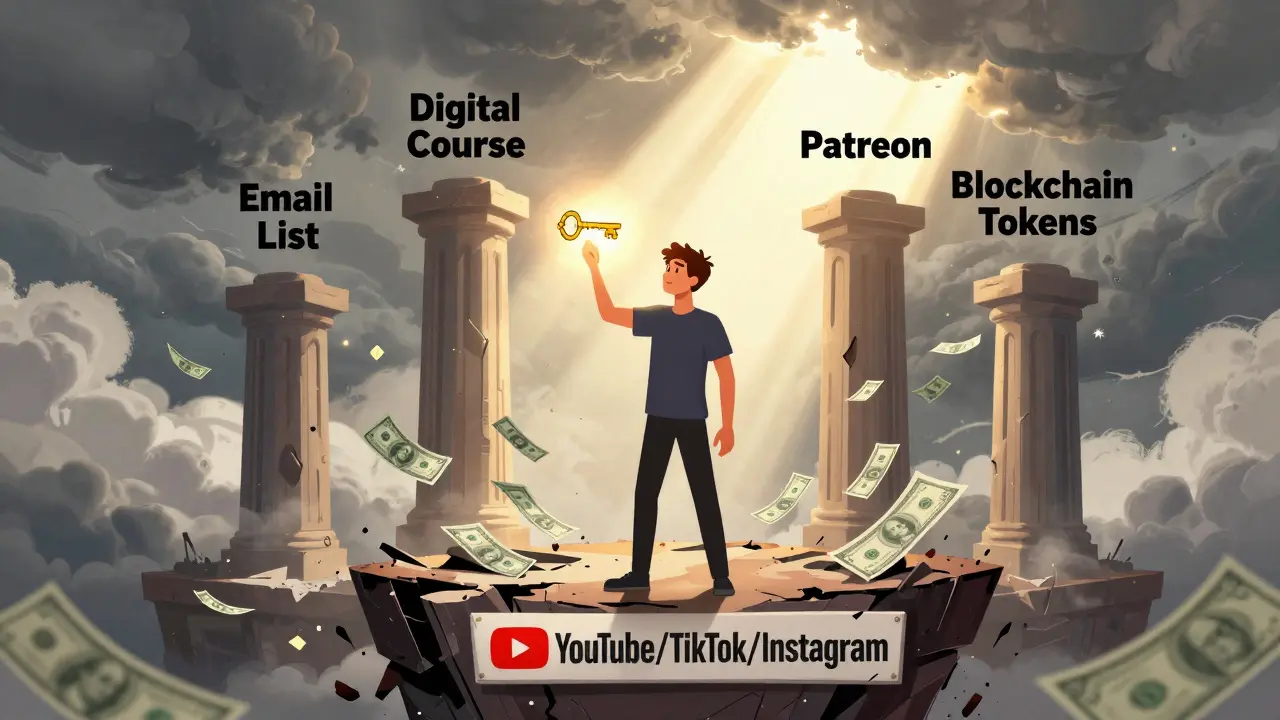
Content Creator Income: How Blockchain and Crypto Are Changing Earnings
When you think of content creator income, money earned by individuals who produce digital content like videos, blogs, or social media posts. Also known as digital creator earnings, it used to mean ads, sponsorships, and platform payouts that took half your pay. Now, it’s starting to mean crypto airdrops, free tokens distributed to users who engage with a project, DeFi staking, earning passive rewards by locking crypto to support blockchain networks, and even direct crypto payments from audiences. This shift isn’t theoretical—it’s happening right now, and it’s leaving traditional models behind.
Most creators still rely on YouTube ads or Instagram sponsorships, but those pay pennies and come with strings attached. Meanwhile, creators in crypto communities are earning by writing guides, hosting AMAs, or building Discord communities—and getting paid in tokens that can be sold, staked, or traded. Take the ANTIX airdrop: users earned tokens by creating digital humans, not by watching ads. Or look at Reku Exchange in Indonesia: creators there get paid in crypto for reviewing platforms, not for clicking banners. Even people writing about scams like CremePie Swap or Squirrex Exchange are building audiences that trust them enough to send crypto tips. This isn’t charity. It’s a new economy where value flows directly from users to creators, bypassing gatekeepers.
But it’s not all smooth sailing. Not every airdrop pays. The CHY token from Concern Poverty Chain? Worthless. OmniCat? Fake volume. And staking isn’t risk-free—liquid staking can depeg, and tokens can crash overnight. The key isn’t chasing free tokens. It’s understanding what gives a project real value: community, transparency, and actual use. That’s what turns a one-time payout into ongoing income. If you’re a creator, your audience doesn’t just want your content—they want to invest in it. And now, they can.
Below, you’ll find real breakdowns of how creators are making money—some legally, some dangerously, some brilliantly. You’ll see what works in Indonesia, what fails in China, and why the UAE is becoming a hub for crypto-savvy creators. No fluff. Just what’s paying out, what’s a trap, and how to tell the difference.