Artist NFTs: How Digital Art Gets Value, Buyers, and Real Income
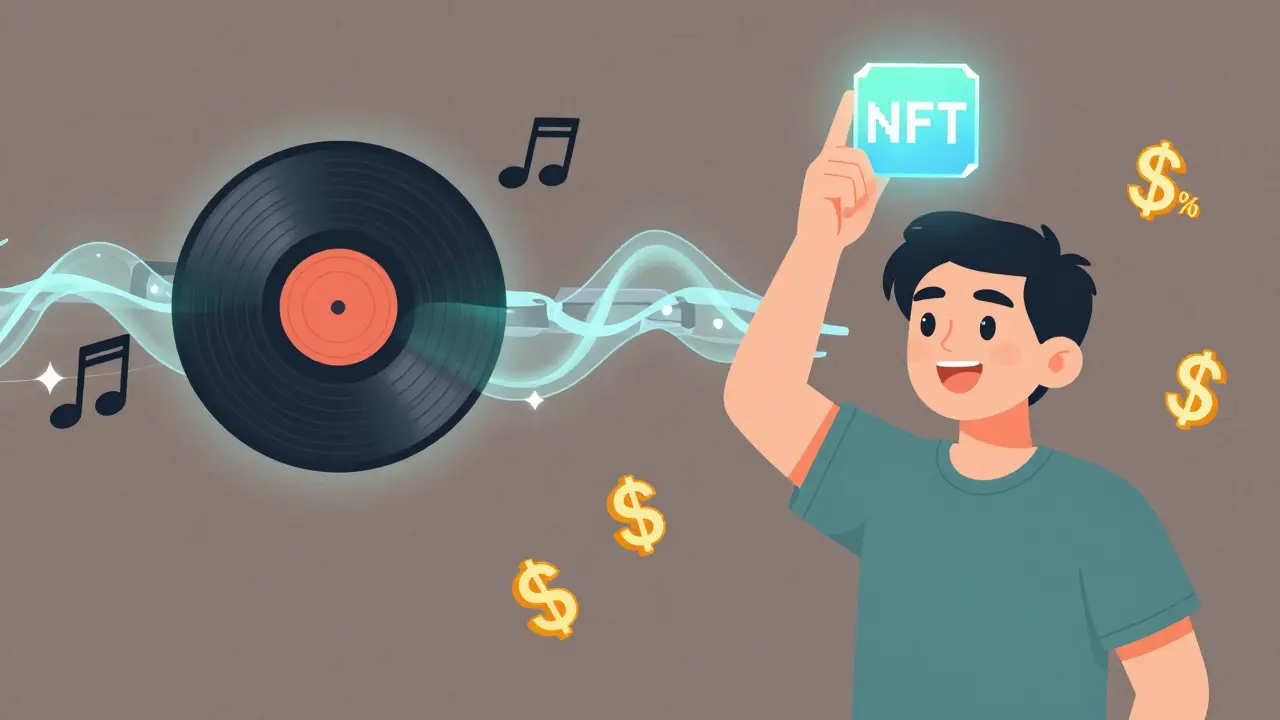
When you see an artist NFTs, digital artworks tokenized on a blockchain that prove ownership and authenticity. Also known as blockchain art, they’re not just JPEGs—they’re proof that you own something unique, verified by code, not a gallery wall. The value doesn’t come from the file itself. It comes from who made it, who’s buying it, and what rights come with it. A simple drawing by a known artist can sell for $10,000 because collectors trust the creator’s reputation and want to be part of their story. Meanwhile, the same drawing by an unknown artist might sell for $5—or nothing at all. It’s not about pixels. It’s about trust, scarcity, and community.
Artist NFTs rely on three things: NFT value, what makes a digital asset worth owning, NFT pricing, how the market decides what to pay, and digital art, original creative work issued as a unique token. Floor prices on OpenSea or Blur don’t just reflect demand—they reflect how active the artist’s community is, whether they release new drops, and if buyers believe the artist will keep creating. Some artists tie NFTs to real-world perks: concert tickets, exclusive Discord access, or even physical prints. That’s what turns a collectible into a membership. And that’s why some NFTs hold value long after the hype dies.
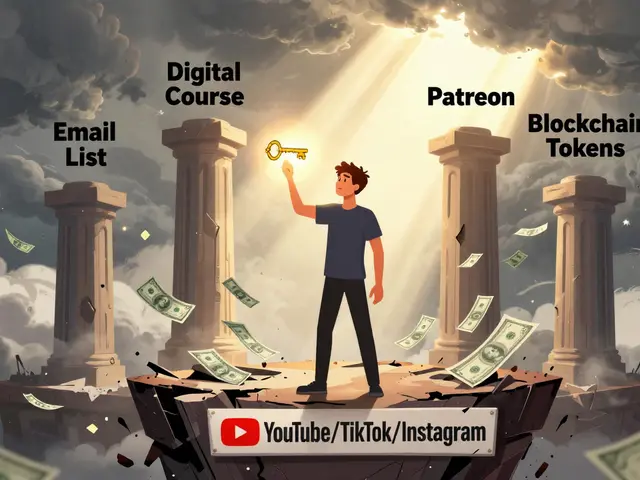
Most people think artist NFTs are just for rich investors or crypto bros. But creators are using them to bypass galleries, record labels, and platforms that take 50% of their earnings. An illustrator in Mexico sells NFTs directly to fans in Japan and gets paid in crypto—no middleman, no delay. A musician in Nigeria drops limited-edition album art as NFTs and earns royalties every time it’s resold. That’s the real power: ownership that follows the art, and income that keeps flowing. The market is messy. Scams exist. Fake collections flood the market. But the ones that last? They’re built on real talent, real engagement, and real value beyond the screen.
Below, you’ll find real breakdowns of what works—and what’s a total scam—in the world of artist NFTs. From projects with actual utility to tokens worth zero, we cut through the noise so you know what to look for, what to avoid, and how creators are actually making money in 2025.