

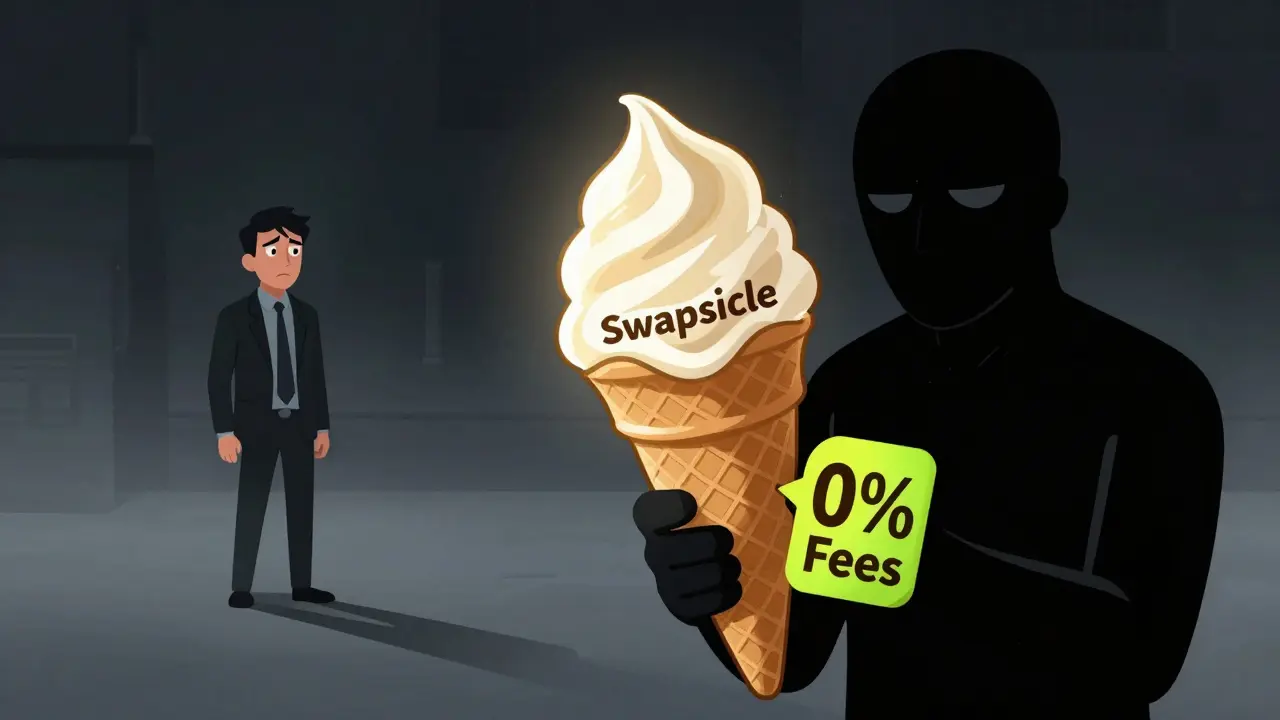
You see a decentralized exchange promising zero fees on the Avalanche network. It sounds like a dream for traders tired of paying spreads and commissions. But when you look closer at Swapsicle, the silence is deafening. There are no user reviews. No community buzz. No clear team behind the code. In the world of decentralized finance (DeFi), silence usually means trouble.
This review cuts through the hype to answer one critical question: Is Swapsicle a hidden gem or a risky trap? We’ll look at the technical specs, compare it to established rivals like TraderJoe, and explain why that "0% fee" promise might actually cost you more than you think.
What Is Swapsicle?
Swapsicle is a decentralized exchange (DEX) operating on the Avalanche blockchain, founded in 2022. Unlike centralized exchanges where a company holds your funds, Swapsicle uses smart contracts to facilitate token swaps directly between users' wallets. It operates as an Automated Market Maker (AMM), meaning trades happen against liquidity pools rather than an order book.
The platform’s main selling point is its fee structure: 0.00% maker and taker fees. While this sounds attractive, the lack of transparency regarding its development team, security audits, and total value locked (TVL) raises serious questions about its legitimacy and sustainability.
The Red Flags You Can’t Ignore
If you’re new to DeFi, you might overlook these warning signs. If you’ve been around the block, they should stop you in your tracks. Here is what the data tells us about Swapsicle’s current status in 2026:
- Zero User Reviews: On tracking platforms like FxVerify, Swapsicle has a 0 out of 5-star rating because there are literally no reviews. Even small, niche projects usually have some feedback from early adopters.
- Minimal Web Traffic: Data shows near-zero bounce rates and visit durations, which often indicates either a broken site, bot traffic, or simply no real human interest.
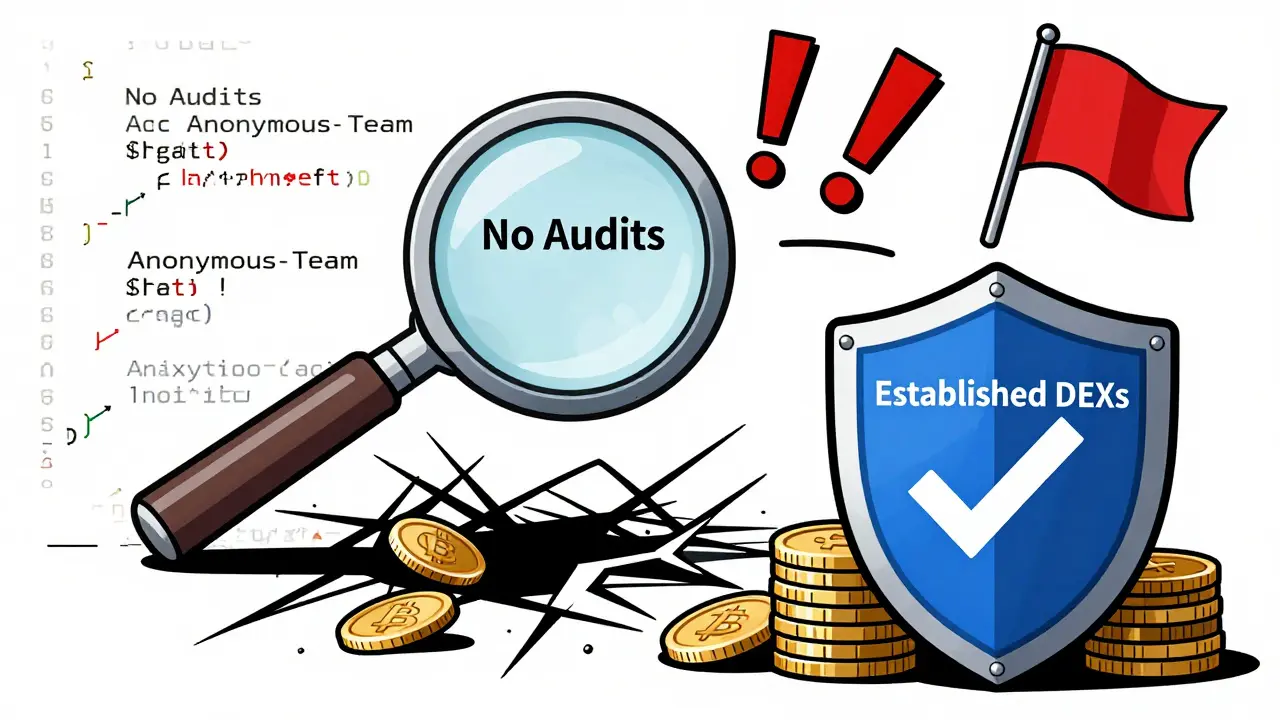
- No Security Audits: Established DeFi protocols pay top firms like CertiK or Trail of Bits to audit their smart contracts. Swapsicle has no public record of such audits. This means untested code could harbor bugs or backdoors.
- Low Ranking: It sits at position 546 out of 590 tracked exchanges. Being in the bottom tier suggests it lacks the liquidity and trust required for serious trading.
In crypto, if a project doesn’t have a community, it doesn’t have a future. Swapsicle appears to have neither.
How Swapsicle Compares to Top Avalanche DEXs
To understand why Swapsicle struggles, we need to compare it with the giants of the Avalanche ecosystem. These competitors charge small fees but offer something Swapsicle cannot: liquidity, security, and reliability.
| Feature | Swapsicle | TraderJoe | Pangolin |
|---|---|---|---|
| Trading Fees | 0.00% | 0.30% | 0.30% |
| Liquidity Depth | Very Low / Unknown | High (Millions in TVL) | Medium-High |
| Security Audits | None Publicly Listed | Yes (Multiple Audits) | Yes |
| User Community | Non-existent | Large & Active | Active |
| Slippage Risk | Extremely High | Low | Low-Medium |
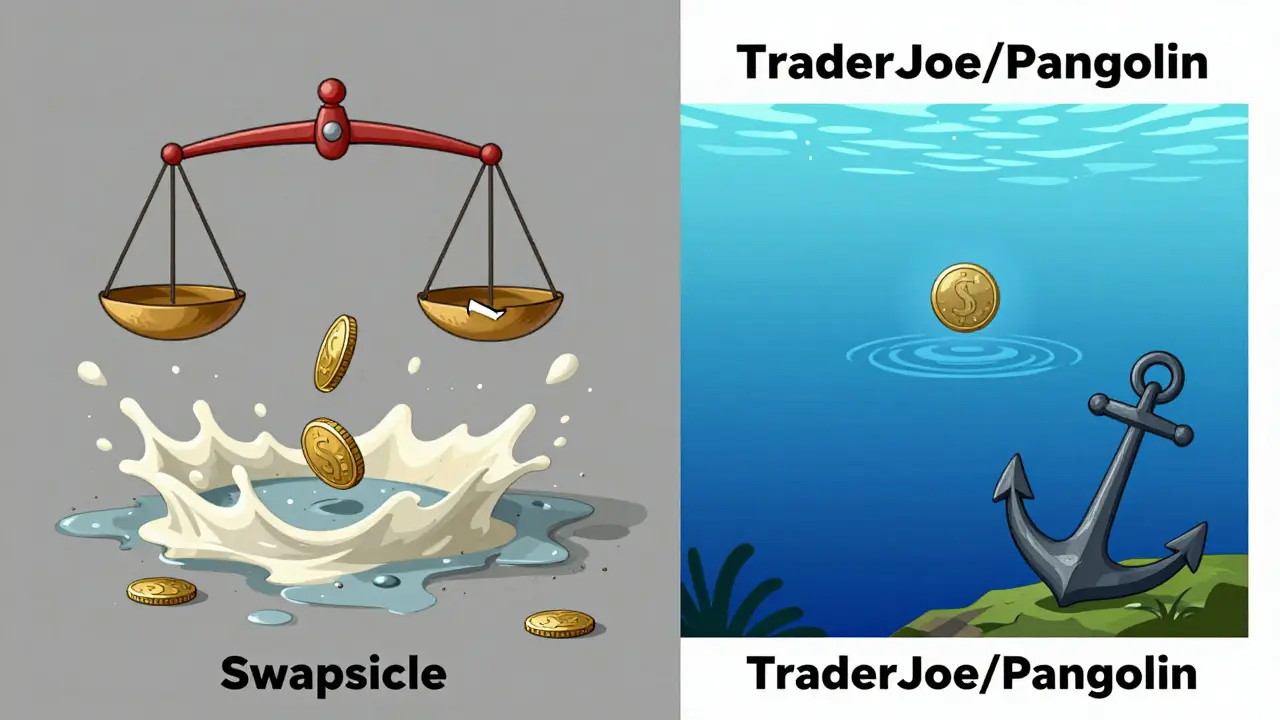
Notice the trade-off. TraderJoe and Pangolin charge ~0.30% per swap. Where does that money go? It pays liquidity providers who keep deep pools of tokens available. This ensures that when you sell $1,000 worth of AVAX, you get roughly $1,000 worth of USDC back. On Swapsicle, with thin liquidity, you might lose 5-10% of your value just due to slippage, even if the fee is technically zero.
The Hidden Cost of “Zero Fees”
Let’s talk about the economics. A DEX needs revenue to maintain servers, pay developers, and incentivize liquidity providers. If Swapsicle charges nothing, how does it survive?
- Illiquidity: Without fees attracting liquidity providers, the pools are shallow. When you trade, you move the price significantly against yourself. This is called slippage. A 0% fee with 5% slippage is worse than a 0.3% fee with 0.1% slippage.
- Smart Contract Risk: Untested code is dangerous. If there is a bug in Swapsicle’s contract, hackers can drain the pool. Since there are no audits, you have no proof the code is safe.
- Exit Scams: Anonymous teams with no reputation can abandon a project at any time. Once the liquidity dries up, the platform becomes useless, and your tokens may be stuck or worthless.
In short, the "free" lunch is the most expensive meal you’ll ever buy.
Avalanche Ecosystem Context
It’s important to distinguish between the network and the application. Avalanche is a high-performance blockchain platform known for its fast finality and low transaction costs. The C-Chain (Contract Chain) supports Ethereum Virtual Machine (EVM) compatibility, allowing DeFi apps to run smoothly.
Avalanche itself is robust. Transactions cost pennies, and finality takes seconds. However, hosting a DEX on Avalanche doesn’t automatically make it safe. The security of your trade depends on the specific protocol (like Swapsicle) you interact with, not just the underlying blockchain. Just because AVAX is a solid asset doesn’t mean every app built on it is trustworthy.
Who Should Avoid Swapsicle?
Based on the current data, Swapsicle is not suitable for:
- Beginners: New users need guided experiences, customer support, and proven security. Swapsicle offers none of this.
- Large Traders: High-value trades require deep liquidity to avoid massive slippage. Swapsicle’s thin pools will eat into your profits.
- Security-Conscious Users: If you prioritize audited code and transparent teams, Swapsicle fails every checkpoint.
There is virtually no scenario where using Swapsicle makes financial sense compared to established alternatives.
Safer Alternatives on Avalanche
If you want to trade on Avalanche without breaking the bank, stick to platforms with proven track records:
- TraderJoe: The largest DEX on Avalanche. It offers limit orders, leveraged trading, and deep liquidity. The 0.30% fee is worth it for the security and execution quality.
- Pangolin: A community-governed AMM with strong governance token incentives. Great for smaller altcoin pairs.
- Lydia Finance: Known for innovative yield strategies and a user-friendly interface.
These platforms have active GitHub repositories, regular updates, and thousands of daily users. They are part of the ecosystem’s backbone, not fringe experiments.
Final Verdict: Proceed with Extreme Caution
Swapsicle checks all the boxes of a high-risk, low-reward DeFi project. The zero-fee model is a marketing gimmick that masks severe liquidity issues and security vulnerabilities. With no audits, no community, and no transparency, the risk of losing funds is significant.
In 2026, the DeFi landscape is mature enough that you don’t need to gamble on unknown protocols. Stick to the leaders. Save your crypto for investments that matter, not for testing unproven code.
Is Swapsicle a scam?
While we cannot definitively label it a "scam" without proof of malicious intent, Swapsicle exhibits many characteristics of high-risk or abandoned projects. The lack of audits, anonymous team, and zero user engagement suggest it is unsafe for trading. It is better to treat it as potentially fraudulent until proven otherwise.
Why does Swapsicle charge 0% fees?
The 0% fee is likely a lure to attract users. However, without fees, there is no incentive for liquidity providers to deposit funds. This results in low liquidity, which causes high slippage. You effectively pay more through poor trade execution than you would save in fees.
Can I trust Swapsicle with my large holdings?
Absolutely not. Large holdings require deep liquidity and robust security. Swapsicle has neither. Using it for significant amounts exposes you to extreme slippage and potential smart contract exploits.
What is the safest DEX on Avalanche?
TraderJoe is widely considered the safest and most liquid DEX on Avalanche. It has undergone multiple security audits, has a large user base, and offers advanced trading features. Pangolin is another reputable alternative.
Does Swapsicle have a mobile app?
There is no official information about a dedicated Swapsicle mobile app. Most DEXs are accessed via web browsers connected to wallets like MetaMask or Trust Wallet. Be wary of any third-party apps claiming to be Swapsicle, as they could be phishing attempts.