

You hold the keys to your kingdom in a small piece of paper or a metal plate hidden under your mattress. That seed phrase is a set of 12 or 24 words that acts as the master key to your cryptocurrency wallet. It sounds simple enough, but if someone steals it, they own your digital assets. If you lose it, your money vanishes forever. There is no customer support line to call. There is no "forgot password" button on the blockchain.
We often obsess over hacking our computers or securing our Wi-Fi, but the data shows a different reality. According to Harvard’s Center for Internet and Society, 68% of seed phrase thefts happen through physical compromise, not digital breaches. Burglars don’t need to crack encryption; they just need to find that slip of paper in your desk drawer. Protecting your seed phrase from physical theft requires treating it like cash-except with higher stakes and zero insurance.
Why Paper Backups Are Fails You
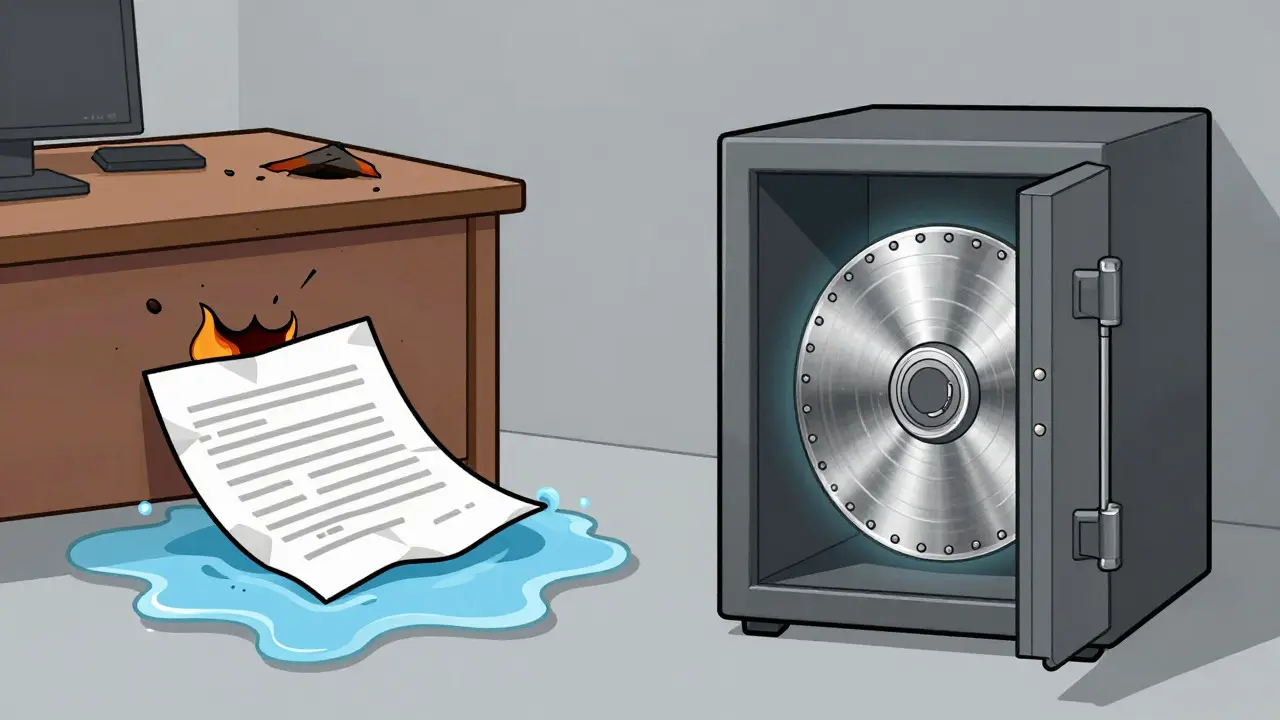
The most common advice you’ll hear is to write your seed phrase on paper and hide it. It’s free, easy, and feels secure until disaster strikes. But paper is fragile. Standard printer ink begins fading after just 18 months under normal conditions. More critically, paper burns.
Underwriters Laboratories (UL) testing in 2024 revealed that paper backups fail completely in 43% of fire incidents. If your house catches fire, your crypto goes up in smoke with it. Water damage is another silent killer; a burst pipe or flooded basement can turn your recovery phrase into an illegible pulp. Even accidental disposal is a real threat-Trustpilot reviews show that 9% of users report losing their seed phrases because they were thrown out with old junk mail.
If you stick with paper, at least use archival-quality stock and a pencil. Pencil graphite maintains legibility for up to 200 years, whereas ink fades. Store it in a cool, dry place with humidity below 60%. But let’s be honest: paper is a temporary solution, not a long-term strategy for serious holdings.
Metal Backups: The Fireproof Solution
To survive a fire, flood, or earthquake, you need a material that doesn’t burn or dissolve. Metal backups have become the industry standard for high-value storage. Products like Cryptosteel is a titanium device designed to engrave seed phrases for permanent, fire-resistant storage. withstand temperatures up to 2,500°F. That’s hotter than most house fires ever get.
The trade-off is cost and effort. A quality metal backup costs around $130 USD. Setting one up takes 30-45 minutes, and Vault12’s usability study found that 68% of users make errors during their first attempt. You have to carefully punch or stamp each word into the metal grid. One mistake means starting over or risking a corrupted backup.
Despite the hassle, metal backups are worth it if you’re holding significant value. They eliminate the risk of environmental degradation. Just remember: the metal protects the words, but it doesn’t protect the location. If a thief finds your safe, they still take the metal plate.
| Method | Cost Estimate | Fire Resistance | Durability | Risk Factor |
|---|---|---|---|---|
| Paper Backup | $0 - $5 | Low (Fails in 43% of fires) | Low (Ink fades in 18 months) | High (Water, fire, loss) |
| Metal Backup | $130+ | High (Up to 2,500°F) | Very High (Indefinite) | Medium (Theft, setup error) |
| Hardware Wallet | $79 - $199 | Medium (Device damage) | High (Digital isolation) | Low (If paired with metal backup) |
The Role of Hardware Wallets
A hardware wallet is a physical device that stores your private keys offline, isolating them from internet-connected threats. Devices like Ledger and Trezor don’t store your seed phrase in plain text; they generate it internally and keep it secure. However, the device itself is just a tool to access the funds controlled by the seed phrase.
If a thief steals your hardware wallet, they still need the PIN and the seed phrase to recover the funds if the device is wiped. This adds a layer of friction. Ledger reported in Q2 2024 that 97.8% of breach attempts were prevented by proper seed phrase protection. But here’s the catch: if you store the seed phrase inside the same safe as the hardware wallet, a single break-in compromises everything.
Hardware wallets are essential for daily transactions, but they are not a substitute for backing up the seed phrase separately. Think of the hardware wallet as your ATM card and the seed phrase as the combination to the bank vault. Keep them separate.
Diversification: Don't Put All Eggs in One Basket
Andreas Antonopoulos, author of 'Mastering Bitcoin,' argues that concentrating all security in one physical location is the single greatest mistake users make. Diversification is non-negotiable for serious holdings.
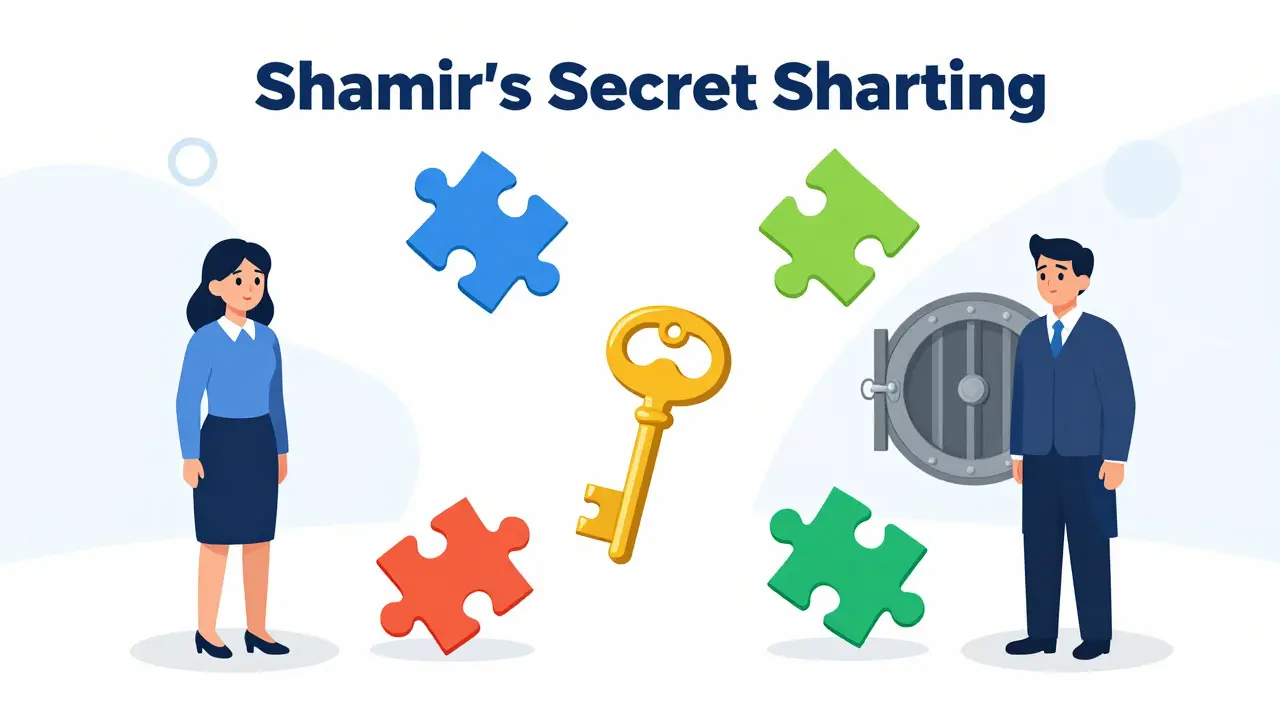
This is where Shamir's Secret Sharing (SSS) is a cryptographic method that splits a seed phrase into multiple shares, requiring a threshold number to reconstruct the original. comes in. Instead of one piece of paper with all 12 words, SSS splits the secret into, say, five parts. You only need three of those five to recover your wallet. You can give one share to your spouse, keep two in a safe deposit box, and leave one with a trusted lawyer. No single person or location has full control.
Vault12’s security analysis showed this reduces total loss risk by 83%. The downside? Complexity. Only 28% of users implement SSS correctly according to ACM studies. If you mess up the math or lose too many shares, your funds are gone. For most people, a simpler approach is better: make two copies of your seed phrase and store them in geographically separate locations, at least 50 miles apart. If your house burns down, the copy at your parent’s house survives.
The Passphrase Advantage
Most people ignore the 25th word. In BIP-39 standards, you can add an optional passphrase to your 12 or 24-word seed. This creates a completely different wallet address. If someone steals your physical seed phrase, they see a wallet with zero balance unless they also know the passphrase.
Trezor’s firmware updates demonstrate that adding a passphrase adds exponential entropy to brute-force attacks. It’s like having a secret door behind a painting. The thief sees the empty room (the decoy wallet), while your real assets sit behind the hidden door.
User u/CryptoSaver88 on Reddit shared how a decoy passphrase saved their funds when their hardware wallet was stolen. The thief had the device and the seed phrase, but without the passphrase, they couldn’t access the main wallet. The risk? If you forget the passphrase, you lose access permanently. Bitcoin Wiki reports that 17% of wallet recovery failures stem from forgotten passphrases. Use this feature only if you can guarantee you’ll never forget the extra word.
Where NOT to Hide Your Seed Phrase
Intuition often leads us to bad places. Here are the most common mistakes:
- Bank Safe Deposit Boxes: The SEC’s guidance warns that storing recovery phrases in banks may subject your crypto to traditional financial regulations and seizure protocols. In 12% of crypto asset forfeiture cases, safe deposit boxes were seized. If your account is frozen, you lose access to your box-and your crypto-for months or years.
- Cloud Storage: Never photograph your seed phrase and save it to Google Drive, iCloud, or email. The Bitcoin Core development team notes that 92% of compromised wallets involved cloud-stored recovery phrases. Hackers target these accounts constantly.
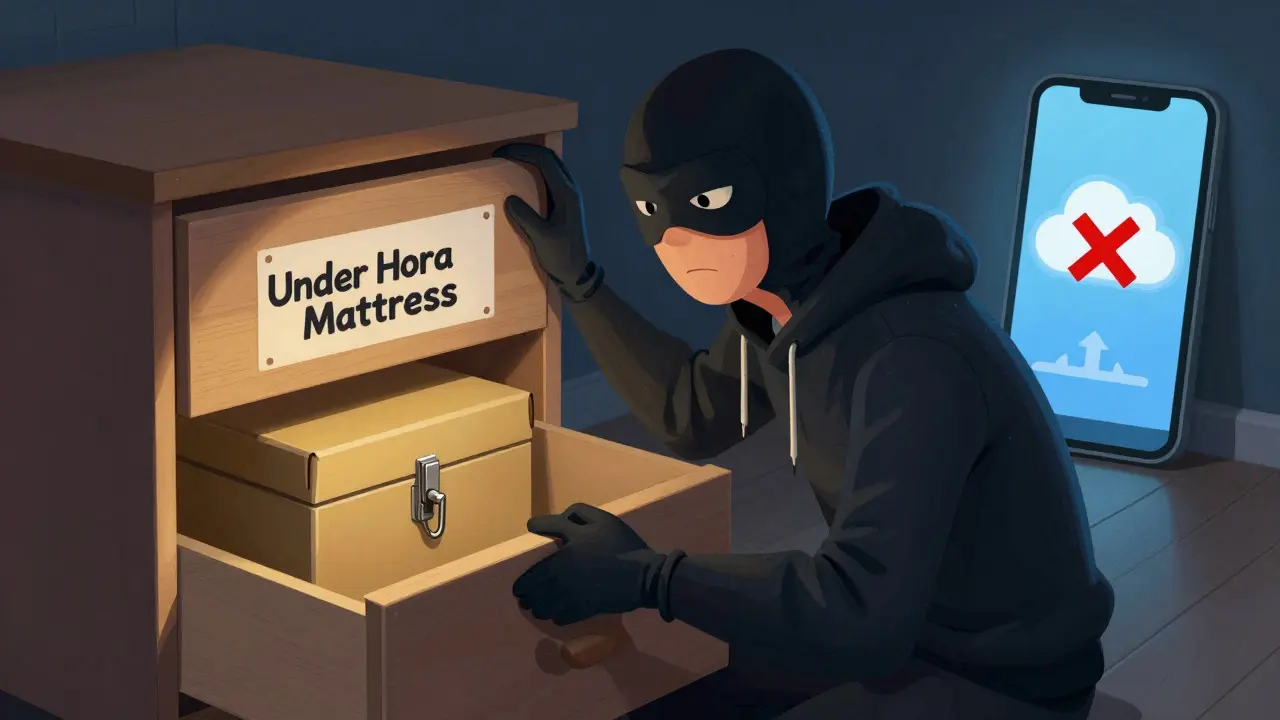
- Under the Mattress: Too obvious. Burglars know where people hide valuables. Use a false bottom in a drawer, a hollowed-out book, or a dedicated lockbox that doesn’t look like a lockbox.
Verification Is Key
You haven’t secured your seed phrase until you’ve verified it works. Rockwallet’s guide emphasizes that creating a backup takes 15-20 minutes, but verifying it takes just as long. Send a small amount of crypto to a new wallet generated from your backup phrase. If you can spend it, your backup is valid.
Do this annually. Check that the paper hasn’t faded, the metal hasn’t corroded, and the words are still legible. Use open-source tools like seedtoolz to verify the checksum without connecting to the internet. This step saves you from the heartbreak of discovering your backup is useless after a loss.
Is writing my seed phrase on paper safe?
Paper is vulnerable to fire, water, and fading ink. While it’s a low-cost start, it fails in 43% of fire incidents. For long-term security, transfer your seed phrase to a metal backup once you have significant funds stored.
Should I store my seed phrase in a bank safe deposit box?
Generally, no. Bank boxes can be seized by authorities during audits or legal disputes, locking you out of your funds. Plus, you won’t be able to access it quickly in an emergency. Home storage with diversification is usually safer.
What is Shamir's Secret Sharing?
It’s a method that splits your seed phrase into multiple parts. For example, you might create 5 shares and require any 3 to recover the wallet. This prevents a single point of failure and allows you to distribute trust among family members or locations.
Can I take a photo of my seed phrase and save it to the cloud?
Never. Digital copies are highly susceptible to hacking. 92% of compromised wallets involved cloud-stored phrases. Keep your seed phrase strictly offline and physical.
How often should I verify my seed phrase backup?
At least once a year. Verify that the words are legible, the medium hasn’t degraded, and that you can successfully restore a wallet using the backup. Test with a small transaction to ensure functionality.