



Have you seen the buzz about the CAKEBANK airdrop? If you are scrolling through Twitter or Telegram groups right now, you might be seeing claims that Cake Bank is handing out free tokens. It sounds too good to be true. In the world of crypto, when something sounds that easy, it usually means you need to look closer.
As of mid-2026, there is very little concrete information available about an official CAKEBANK airdrop. The token itself trades at a microscopic value-around $0.00000207 USD-and shows signs of low liquidity and high volatility. This lack of transparency is a major red flag. Unlike established projects like PancakeSwap or Binance Launchpad offerings, which publish clear whitepapers and roadmaps, Cake Bank operates in the shadows.
The Reality of the CAKEBANK Token
Let’s look at the hard data first. The CAKEBANK token is currently trading at approximately $0.00000207 USD. To put that in perspective, you would need millions of these tokens to equal even one dollar. Recent market data shows a decline of roughly 5.84% in short-term trading periods. This suggests the token is either extremely new, has very low demand, or is facing significant selling pressure.
In the cryptocurrency ecosystem, tokens with such low valuations often fall into two categories:
- Micro-cap gems: Early-stage projects with huge potential but high risk. These usually have active communities and detailed technical documentation.
- Dust tokens or scams: Projects created solely to drain wallets or pump-and-dump investors. These lack utility, team visibility, and legitimate marketing channels.
Without a clear whitepaper or verified team members, CAKEBANK leans dangerously toward the second category. You should treat any interaction with this token as high-risk.
Why There Are No Official Airdrop Details
If you search for "Cake Bank airdrop eligibility" or "CAKEBANK claim date," you will likely find silence from authoritative sources. Major crypto news outlets like CoinDesk, Cointelegraph, or The Block have not reported on a Cake Bank distribution event. This absence is telling.
Legitimate airdrops follow a predictable pattern. They announce dates, list requirements (like holding a specific NFT or trading volume), and provide a secure claim portal. For example, in 2025, PancakeSwap ran a structured airdrop program worth $4,200 in CAKE tokens every two weeks for Coinbase One members. They published the rules clearly. Binance’s Megadrop platform similarly disclosed that KernelDAO would distribute up to 40 million KERNEL tokens, representing 4% of total supply, starting April 9, 2025.
Cake Bank does not have this level of transparency. The lack of official announcements could mean several things:
- The project is dead: Developers may have abandoned the project after launching the token.
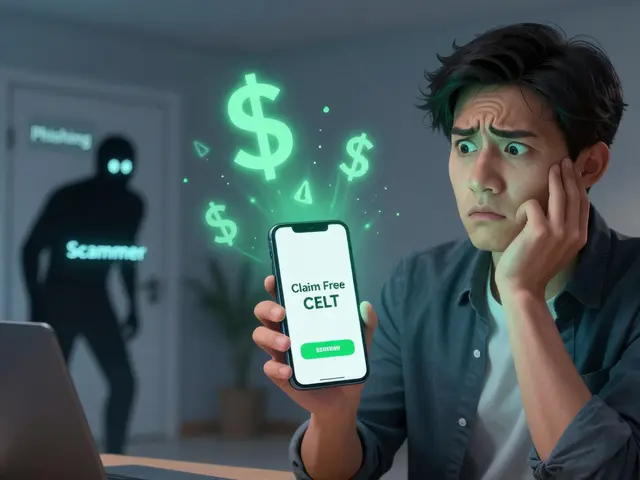
- It is a honeypot: Scammers create fake airdrop pages to steal your private keys or seed phrases.
- It is unverified: The token exists on a decentralized exchange (DEX) but has no underlying utility or development team.
Never assume an airdrop is real just because you saw it on social media. Always verify through official channels.
Red Flags: How to Spot a Fake Airdrop
Since specific details on the CAKEBANK airdrop are missing, you must rely on general safety heuristics. Here are the most common signs that an airdrop is a scam:
| Red Flag | What It Means | Action to Take |
|---|---|---|
| Unsolicited DMs | Scammers message you directly claiming you won tokens. | Block and report. Legitimate projects never DM users first. |
| Urgency Tactics | Claims like "Claim within 1 hour or lose everything!" | Walk away. Real projects give ample time to claim. |
| Unknown Websites | Links to sites without HTTPS or suspicious domains (e.g., cakebank-airdrop-free.com). | Do not click. Check the URL against official project links. |
| Request for Seed Phrase | Any site asking for your 12-24 word recovery phrase. | NEVER share this. It gives full access to your wallet. |
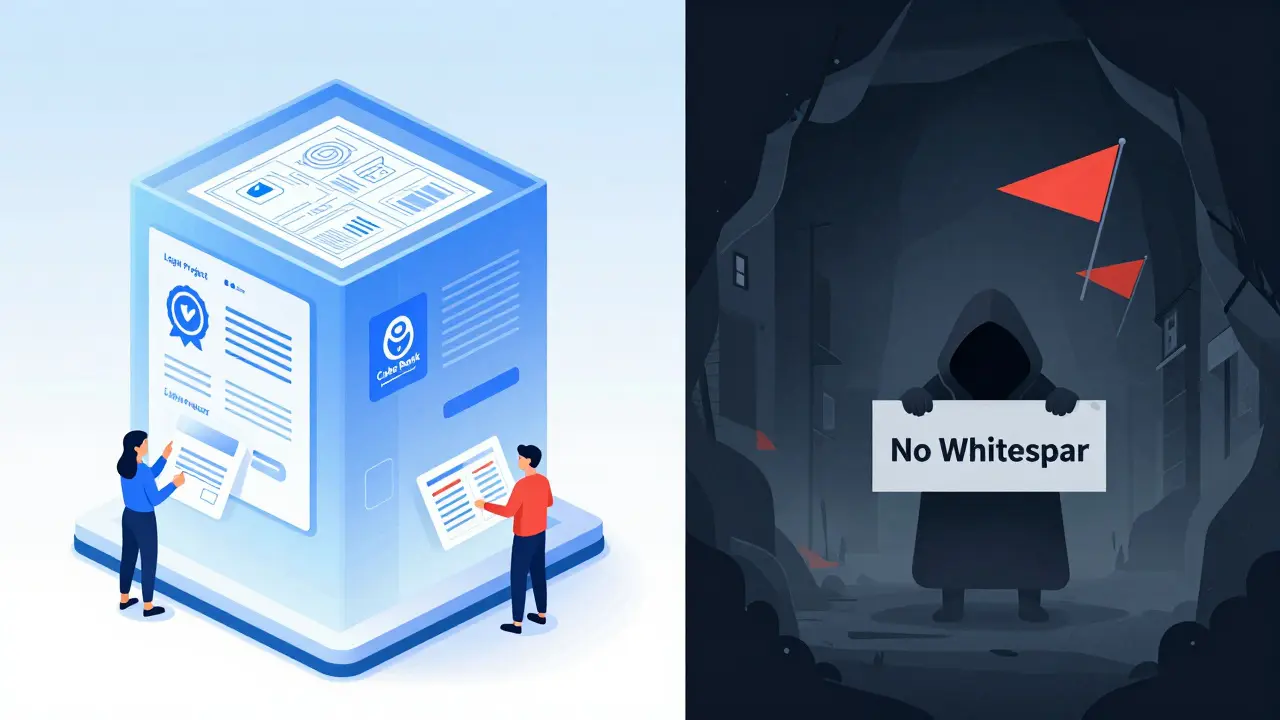
| No Whitepaper | Project has no documentation explaining its technology or goals. | Avoid investing. Lack of info equals high risk. |
If you encounter any of these signs regarding CAKEBANK, stop immediately. Do not connect your wallet to unknown sites. Scammers often use similar names to legitimate projects to confuse users. For instance, they might mimic the branding of PancakeSwap (which uses the CAKE token) to trick people into thinking CAKEBANK is related.
Comparing CAKEBANK to Legitimate Airdrops
To understand why CAKEBANK stands out negatively, let’s compare it to how reputable projects handle distributions. In 2025 and 2026, the industry shifted toward point-based systems and verified engagement. Projects like Meteora, Hyperliquid, and Monad built massive ecosystems before launching tokens. They rewarded users who provided liquidity, voted on governance, or used their platforms over months.
Cake Bank offers none of this. There is no evidence of a working product, a community forum, or a GitHub repository showing code development. Without these pillars, the token has no intrinsic value. Its price of $0.00000207 reflects this reality. When you buy or claim such tokens, you are essentially gambling that someone else will pay more for them later-a classic Ponzi dynamic.
Furthermore, regulatory scrutiny has increased globally. In the United States, proposals suggest treating airdrops like promotional gifts for tax purposes, taxing them only upon sale. However, if a token is deemed a security without proper registration, participants could face legal risks. While New Zealand and other jurisdictions have different rules, the principle remains: if a project ignores regulations, it is likely ignoring user safety too.
How to Verify Crypto Projects Safely
You don’t have to guess if a project is legit. Use these steps to do your own research (DYOR):
- Check Contract Addresses: Find the token’s contract address on a block explorer like Etherscan or BscScan. Look at the holder distribution. If one wallet holds 90% of the supply, it is likely a rug pull waiting to happen.
- Verify Social Media: Go to the project’s official website. Find their Twitter, Discord, or Telegram links there. Do not trust links sent by strangers. Check if the accounts are verified and have genuine engagement (not just bots posting emojis).
- Read the Whitepaper: Does the project explain what problem it solves? Is the team listed with real LinkedIn profiles? Anonymous teams are common in early crypto, but complete obscurity is dangerous.
- Use Aggregators: Sites like CoinMarketCap or CoinGecko list verified projects. If CAKEBANK is not listed or marked as "unverified," proceed with extreme caution.
For CAKEBANK specifically, these checks reveal minimal footprint. The token appears on some decentralized exchanges, but there is no broader ecosystem supporting it.

Tax Implications of Airdrops
Even if you receive free tokens, they are not always free from a tax perspective. In many countries, including the US and parts of Europe, receiving an airdrop can be considered taxable income at the fair market value on the day of receipt. If CAKEBANK tokens are worth fractions of a cent, the tax impact might be negligible. However, if the price spikes artificially due to hype, you could owe taxes on gains when you sell.
Keep records of:
- The date you received the tokens.
- The market price at that moment.
- The transaction hash proving receipt.
This documentation protects you during audits. Remember, ignorance of tax laws is not a valid defense.
Conclusion: Proceed with Extreme Caution
The CAKEBANK airdrop lacks the hallmarks of a legitimate cryptocurrency distribution. With no official announcements, a near-zero token price, and no verifiable team, it poses significant risks. The crypto space is filled with opportunities, but also traps designed to exploit greed and impatience.
Instead of chasing vague rumors about Cake Bank, focus on projects with transparent roadmaps, active development, and clear utility. Your capital and personal data are valuable. Protect them by verifying every detail before clicking "connect wallet." If something feels off, it probably is. Stick to well-known platforms and avoid FOMO-driven decisions.
Is the CAKEBANK airdrop real?
There is no credible evidence of an official CAKEBANK airdrop. The token has a very low market price ($0.00000207) and lacks public documentation, team verification, or announcements from reputable sources. Treat any claims about it with skepticism.
How much is the CAKEBANK token worth?
As of recent data, the CAKEBANK token is valued at approximately $0.00000207 USD. This extremely low valuation indicates low liquidity and high risk, typical of micro-cap or potentially fraudulent tokens.
Can I trust airdrop links sent via DM?
No. Legitimate projects never send unsolicited direct messages offering free tokens. These are almost always phishing attempts designed to steal your wallet credentials or install malware.
What should I do if I already connected my wallet to a CAKEBANK site?
Immediately disconnect your wallet from that site in your browser settings. Move your funds to a new, secure wallet with a fresh seed phrase. Monitor your transactions for any unauthorized approvals or transfers.
Are there any safe alternatives to CAKEBANK?
Yes. Established projects like PancakeSwap, Uniswap, and Binance Launchpad offer verified airdrops and staking rewards. Always choose platforms with transparent teams, audited smart contracts, and active community support.


People Comments
its all a scam from the start. these people are stealing your money and your soul. do not trust any of it.
i actually tried to claim this last week and my wallet got drained so fast lol. you guys are so naive if you think its real. check the contract address on bscscan and see who holds 90% of supply. its always one guy. typical pump and dump scheme designed to exploit greeed. why do people keep falling for this every single time? its like watching cars crash in slow motion. also your seed phrase is not safe anywhere online ever. stop being stupid.
hey there i just wanted to add that you can use revoke.cash to check approvals if you connected by accident. its pretty easy to use. dont worry too much but be careful next time ok?
let's look at the bigger picture here friends! the market is evolving rapidly with new DeFi protocols emerging daily. while CAKEBANK might seem sketchy now, remember that early adopters often face uncertainty before breakthrough innovation occurs. we must stay open-minded yet cautious, balancing risk assessment with opportunity recognition in this dynamic ecosystem. many successful projects started as micro-caps with low liquidity before gaining traction through community-driven growth strategies. let's focus on education rather than fear-mongering!
namaste friends :D i have seen many such tokens in india where local teams launch quick schemes. always verify team identity first. no whitepaper means no future. please protect your hard earned money. stay safe and smart :)
oh wow another 'revolutionary' token that costs less than a grain of sand. really ground breaking stuff here. i'm sure the team is working super hard in their basement to bring us this financial miracle. thanks for the laugh though.
The regulatory framework in India is becoming increasingly strict regarding unverified cryptocurrency distributions. Citizens should adhere strictly to government guidelines and avoid engaging with entities that lack proper registration or transparency. This ensures national economic stability and protects individual investors from fraudulent activities.
One must consider the broader implications of decentralized finance when evaluating such opportunities. The absence of official documentation suggests a deliberate attempt to evade regulatory scrutiny, which raises significant concerns about the legitimacy of the underlying technology. Furthermore, the volatility observed in the token's price action indicates potential manipulation by bad actors seeking to exploit unsuspecting participants.
it is what it is really. the whole crypto space is just a big illusion anyway. nothing has real value except maybe gold or land. but sure lets pretend these numbers mean something. i guess some people need distractions from their empty lives. whatever floats your boat i suppose.
i feel for everyone getting scammed but honestly its kinda funny how desperate people are for free money. just say no to shady links. keep your keys private. life goes on without fake cake.
good points everyone. i think the key takeaway here is to always do your own research before investing anything. its easy to get caught up in the hype but staying informed is crucial. hope everyone stays safe out there!
you people are missing the obvious truth here. this is part of a larger conspiracy to devalue traditional currencies. they want you to lose faith in banks so you turn to these digital scams. wake up sheeple! the matrix is feeding you lies. do not connect your wallet ever. they are watching you right now through your screen. run away.
haha nice try buddy. its just a rug pull waiting to happen. dont be that guy who loses his savings chasing ghosts. invest in yourself instead. learn a skill. build something real. crypto will still be here tomorrow probably.
why does everything have to be so complicated? i just want to make money. why cant we all just get along and share the wealth? its sad really. the world is broken and we are all just trying to survive. maybe if we all held hands and sang kumbaya things would be better. but no we fight over fake internet coins.
I completely agree with the sentiment expressed earlier regarding the importance of verification processes, and I believe that we should collectively advocate for stricter regulations within the cryptocurrency industry to prevent such deceptive practices from occurring in the future, thereby ensuring a safer environment for all participants who may otherwise be vulnerable to exploitation due to a lack of comprehensive knowledge about blockchain technologies and their associated risks.
actually i think the opposite is true. the government wants you to buy these scams so they can track your spending habits. its a trap set by the elites to control the masses. don't fall for the propaganda. read between the lines. everything is controlled. freedom is an illusion. stay woke.