


Remember the hype around Sorare or The Sandbox Alpha Seasons? Thousands of players logged in, minted assets, and waited for tokens that either changed their financial lives or vanished into thin air. That was the golden era of play-to-earn airdrops. Now, in mid-2026, the landscape has shifted. Projects like Multigame are emerging with promises that sound familiar but carry different risks. You’ve likely seen headlines about a "Super NFTs Airdrop" worth $195,000 in potential profits. It sounds too good to be true, doesn’t it? Before you connect your wallet, let’s strip away the marketing fluff and look at what this opportunity actually entails, why information is scarce, and whether it fits your crypto strategy.
The core promise here is simple: hold specific assets, get access to exclusive rewards. But in the world of decentralized finance (DeFi) and blockchain gaming, "simple" often masks complex mechanics. This article breaks down the Multigame airdrop details based on available data from late 2025 and early 2026, helping you decide if chasing these IDO tickets is worth your time and capital.
What Is the Multigame Airdrop?
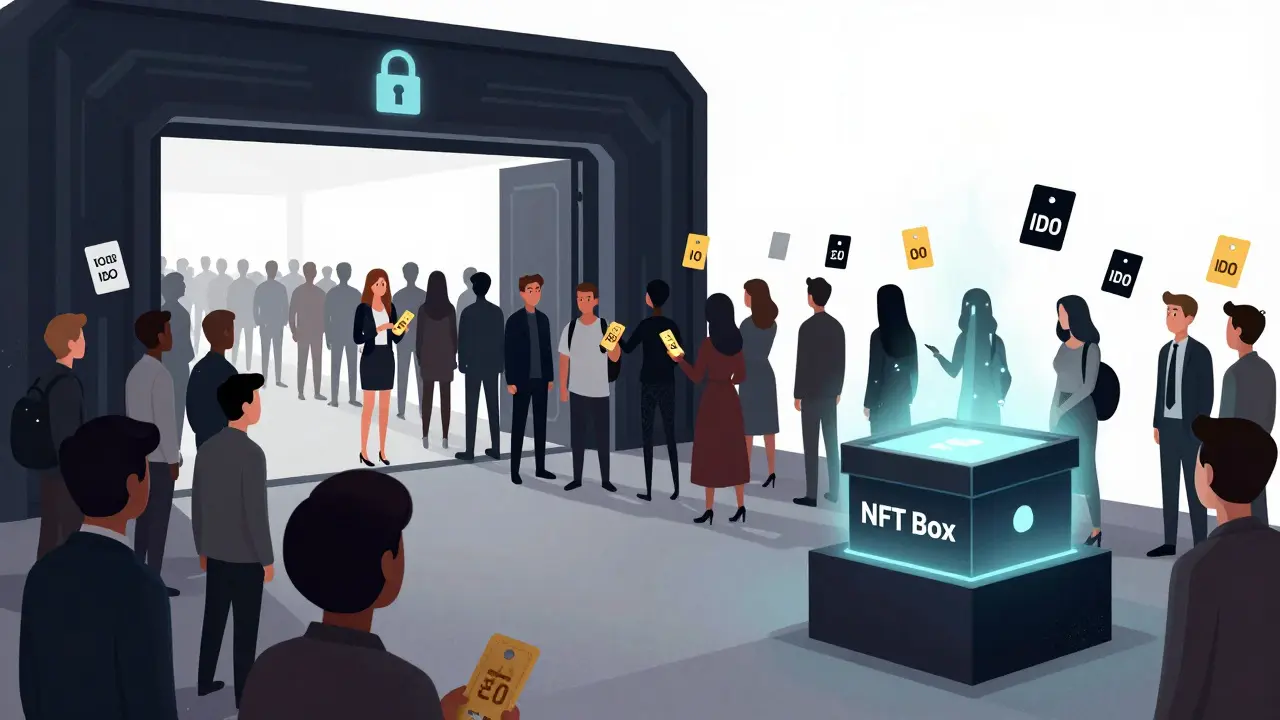
Multigame is a blockchain gaming platform attempting to distribute value through its Super NFTs initiative and Initial DEX Offering (IDO) tickets. Unlike broad-based airdrops where anyone can claim tokens by signing up with an email, Multigame uses a gated approach. According to listings on platforms like AirdropAlert.com, the total prize pool was reported as 10,000 BUSD plus up to $195,000 in profit potential from NFT Boxes.
This isn't just free money handed out randomly. It’s a targeted distribution model designed for a specific group: 500 participants who already own designated IDO-qualifying assets. Think of it as a VIP list rather than a public giveaway. The project aims to stimulate liquidity and user participation by rewarding those who have already shown commitment to the ecosystem or related projects. This mirrors trends observed in 2025, where platforms moved away from mass spamming toward merit-based or ownership-based rewards to ensure higher-quality community engagement.
However, there is a catch. The exact nature of these "required IDO assets" remains vague in public documentation. Are they NFTs from a previous Multigame drop? Tokens from a partner chain? Or perhaps staking positions in a precursor protocol? Without clear transparency, you’re operating in the dark, which is a significant red flag in today’s regulated crypto environment.
How Does the Reward Structure Work?
Let’s break down the numbers because they tell a story about risk versus reward. The headline figure of $195,000 in "profit from NFT boxes" suggests a lottery-style or multi-tiered reward system. Here’s how these structures typically function in gaming airdrops:
- BUSD Component: The 10,000 BUSD is likely distributed as stablecoin rewards. This provides immediate, tangible value without the volatility associated with native tokens. It might be split among the 500 participants, meaning each person could receive roughly $20-$30 if distributed evenly, or significantly more if weighted by contribution.
- NFT Box Profits: The $195,000 figure refers to *potential* profit. This implies that winners receive NFTs or "boxes" containing items that can be sold on secondary markets. The actual cash-out depends on market demand. If no one wants the NFTs inside the boxes, the profit is zero. This is similar to models used by projects like Champions Tactics, where value is tied to speculative trading rather than guaranteed payouts.
- Participation Cap: Limiting entry to 500 users creates artificial scarcity. While this boosts the perceived value per winner, it also increases competition. You aren’t just competing against casual gamers; you’re competing against professional airdrop hunters who use bots and multiple wallets to maximize their chances.
This structure is competitive compared to other 2025 gaming airdrops. For instance, speculative projects like Snaky Way offered high APY staking during presales but lacked verifiable information. Multigame’s offering appears more substantial in terms of declared value, yet it lacks the detailed roadmap transparency seen in established ecosystems like Parallel Game or Aavegotchi.
Who Qualifies? The Hidden Barriers to Entry
If you want to join the 500 selected participants, you need to meet specific criteria. Unfortunately, Multigame does not provide a clear, step-by-step guide like The Machines Arena or Lumiterra did for their respective campaigns. Based on industry patterns, here is what qualification likely involves:
- Holding IDO-Qualifying Assets: You must possess certain tokens or NFTs. These could be from Multigame’s earlier testnets or partner projects. Check your wallet history for any interactions with Multigame contracts between late 2024 and mid-2025.
- Wallet Verification: You’ll need to connect a Web3 wallet (likely MetaMask, Phantom, or Trust Wallet) to the Multigame dashboard. Ensure this wallet has never been flagged for Sybil attacks (creating multiple fake accounts).
- On-Chain Activity: Some airdrops require proof of interaction, such as swapping tokens, bridging assets, or playing beta versions of games. Multigame may track these metrics off-ledger or via oracle services.
The absence of detailed instructions suggests this opportunity targets experienced crypto users. If you are new to blockchain technology, the learning curve will be steep, and the risk of making a costly mistake-such as connecting to a phishing site-is high.
Comparing Multigame to Other Gaming Airdrops
To understand where Multigame stands, we need to compare it to peers in the 2025-2026 gaming airdrop space. Not all airdrops are created equal. Some are backed by venture capital and audited smart contracts; others are rug-pull risks.
| Feature | Multigame | Sorare | The Sandbox | Snaky Way (AKE) |
|---|---|---|---|---|
| Prize Pool Value | $205k Total (BUSD + NFT Potential) | $400M+ Secondary Sales (Historical) | High Volume Alpha Rewards | Unspecified High APY Claims |
| Participant Limit | 500 Users | Open to Broad Community | Thousands of Players | Presale Holders |
| Transparency | Low (Vague Asset Requirements) | High (Public Metrics) | Medium-High (Detailed Roadmaps) | Low (Limited Verifiable Info) |
| Risk Level | High (Niche/Unvetted) | Low-Medium (Established Brand) | Low (Major Backers) | Very High (Speculative) |
| Community Presence | Absent on Major Forums | Active Reddit/Twitter/Discord | Massive Global Community | Limited Discussion |
As the table shows, Multigame occupies a niche position. It offers more defined value than completely speculative plays like MemeClip, but it lacks the institutional backing and community trust of giants like Sorare. Notably, Multigame is absent from major curated lists like Gate.com’s "Top 20 Crypto Airdrops in 2025" and Koinly’s upcoming airdrop guides. This omission is telling. Industry analysts tend to highlight projects with strong fundamentals and regulatory compliance. If Multigame isn’t on those lists, it may be considered too risky or unproven by mainstream standards.
Red Flags and Risks You Must Consider
Before you spend time or money trying to qualify, consider these critical risks:
1. Lack of Public Documentation: Unlike Lumiterra, which released detailed testnet docs and troubleshooting guides, Multigame has minimal official information. There are no whitepapers detailing the tokenomics, no audit reports for smart contracts, and no clear timeline for distribution. In crypto, silence is often a warning sign.
2. No Community Sentiment Data: Try searching for "Multigame review" on Trustpilot, G2, or even Reddit. You’ll find almost nothing. Compare this to RavenIdle, which generated thousands of discussions around its play-to-earn model. The absence of user testimonials means you cannot verify if previous participants were paid or if the project delivered on its promises.
3. Ambiguous Asset Requirements: If you don’t know exactly which assets qualify you for the IDO tickets, you might end up buying unnecessary NFTs or tokens from third parties at inflated prices. Scammers often exploit this ambiguity by selling "guaranteed qualification packs" that are worthless.
4. Regulatory Uncertainty: As of 2026, regulators in the US, EU, and Asia are cracking down on unregistered security offerings. Many airdrops are now classified as securities, meaning recipients could face tax liabilities or legal issues. Multigame’s lack of regulatory disclosure puts participants at risk.

Is Multigame Worth Your Time?
So, should you participate? It depends on your profile.
For Beginners: Probably not. The barriers to entry are unclear, the risks are high, and the potential reward ($20-$300 average per participant if distributed evenly) is modest compared to the effort and capital required. Stick to well-documented platforms like Coinbase Earn or Binance Learn & Earn, where the process is transparent and safe.
For Experienced Traders: It might be worth a small allocation of resources. If you already hold relevant assets in your portfolio, claiming the airdrop costs you little beyond time. However, do not buy additional assets solely for this airdrop unless you believe in the long-term utility of Multigame’s ecosystem. Treat the $195,000 NFT box potential as a lottery ticket, not an investment return.
For Airdrop Hunters: Proceed with extreme caution. The 500-participant limit means competition is fierce. Verify every link. Never share your private key. Use a burner wallet for any interactions until the project’s legitimacy is confirmed by independent audits or reputable news sources.
Next Steps and Troubleshooting
If you decide to pursue this opportunity, follow these steps to protect yourself:
- Verify Official Channels: Only interact with links from Multigame’s verified Twitter/X account or Discord server. Beware of impersonators. Check for blue checkmarks and consistent branding.
- Check Contract Addresses: If you are asked to approve token spending, verify the contract address on Etherscan or BscScan. Look for audit badges from firms like CertiK or Hacken.
- Monitor Community Feedback: Join unofficial Telegram groups or Reddit threads dedicated to airdrop hunting. See if others have successfully claimed rewards. If everyone is complaining about bugs or delays, back out immediately.
- Prepare for Taxes: In many jurisdictions, airdropped tokens are taxable income at fair market value upon receipt. Keep records of all transactions. Consult a tax professional familiar with crypto regulations in your country.
Finally, keep expectations realistic. The crypto gaming sector is volatile. Projects rise and fall quickly. Multigame may deliver on its promises, or it may fade into obscurity like dozens of other 2025 launches. Diversify your efforts across multiple opportunities to mitigate risk.
What is the Multigame Super NFTs Airdrop?
It is a promotional campaign by the blockchain gaming platform Multigame, offering a total prize pool of 10,000 BUSD and up to $195,000 in potential profits from NFT boxes. It is limited to 500 participants who hold specific IDO-qualifying assets.
How do I qualify for the Multigame airdrop?
Qualification requires holding designated IDO-qualifying assets, though the exact assets are not clearly specified in public documentation. Participants must likely connect a Web3 wallet and verify ownership of these assets on the Multigame platform.
Is Multigame a scam?
There is no definitive evidence labeling Multigame as a scam, but it carries high risk due to lack of transparency, absence from major vetting lists, and minimal community feedback. Exercise extreme caution and never invest more than you can afford to lose.
When will the Multigame airdrop start?
Official dates have not been widely announced. Given the reporting from late 2025, the campaign may be ongoing or concluded. Check Multigame’s official social media channels for the most current updates.
How much can I earn from the Multigame airdrop?
Earnings vary. The BUSD portion is fixed at 10,000 total, potentially averaging $20-$30 per winner if split equally among 500 participants. The NFT box profits are speculative and depend on secondary market sales, ranging from zero to thousands depending on luck and market conditions.
Why is Multigame not on major airdrop lists?
Major platforms like Gate.com and Koinly prioritize projects with strong fundamentals, clear roadmaps, and regulatory compliance. Multigame’s lack of detailed documentation and low community visibility likely excludes it from these curated lists, indicating higher risk.