

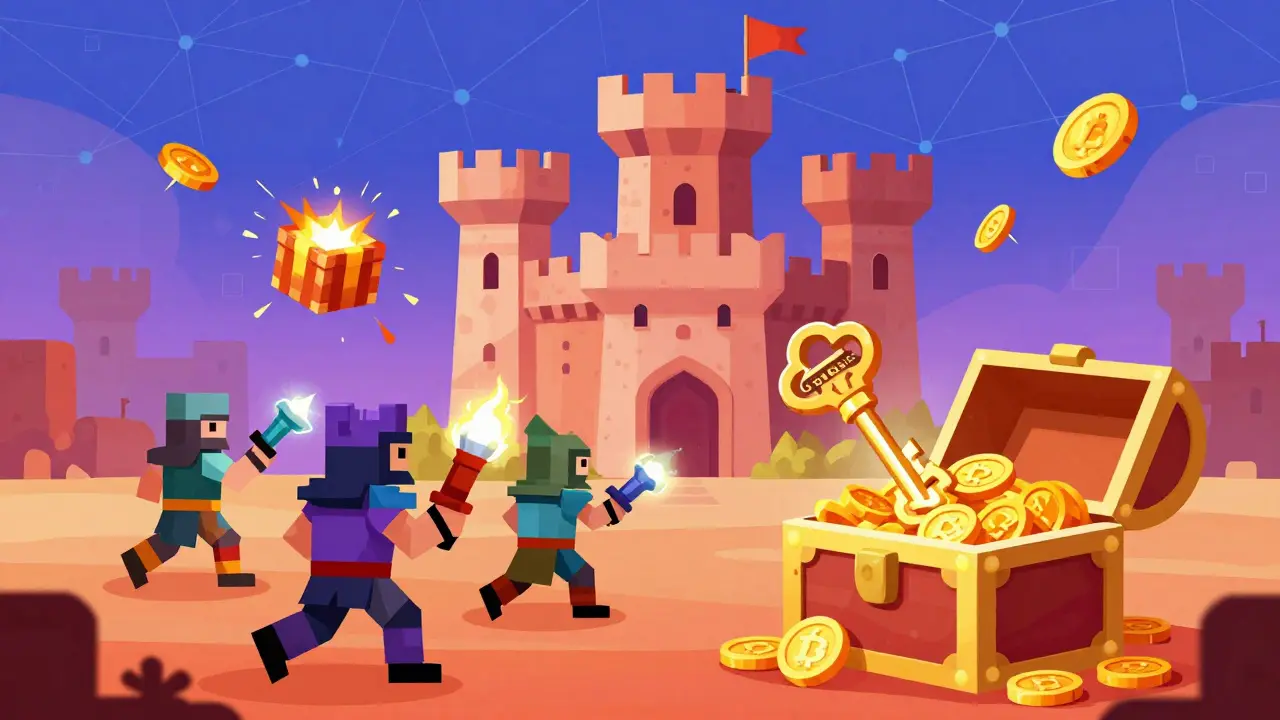
The hype around MagicCraft is a play-to-earn PVP Castle Siege game on Binance Smart Chain that uses native $MCRT cryptocurrency and NFTs for high-stakes gameplay peaked during its Genesis NFT Campaign. If you stumbled upon this title looking to claim free tokens right now, I have some bad news: those specific airdrops are closed. But if you want to understand how they worked, why they mattered, and what it tells us about the future of Play-to-Earn (P2E) is a gaming model where players earn real-world value through in-game achievements and asset ownership, you are in the right place.
We need to look at the mechanics of these campaigns not just as free money giveaways, but as complex distribution events that shaped the early economy of the MagicCraft ecosystem. Understanding the tiered reward structures, the rarity of the MagicCraft Genesis NFTs are unique digital characters with distinct traits, weapons, and abilities that unlock exclusive gameplay features and VIP access, and the role of the $MCRT token is the native cryptocurrency of the MagicCraft ecosystem used for transactions, staking, and governance within the DAO gives you a blueprint for evaluating similar opportunities in the blockchain gaming space today.
What Was the MagicCraft Genesis NFT Campaign?
To get a handle on this, we first need to define what MagicCraft actually is. It wasn't just another idle clicker game. MagicCraft positioned itself as the first real PVP Castle Siege play-to-earn game. The core loop involved building clans, defending castles, and engaging in intense player-versus-player combat. The twist? When you died in battle, you could drop real money and items. This created a high-stakes environment where skill directly correlated with financial risk and reward.
The Genesis NFT Campaign was the primary method MagicCraft used to distribute its initial assets to the community. These weren't just JPEGs; they were functional keys to the game's economy. The campaign had two main documented iterations, which often causes confusion for newcomers researching the project history.
- The Tiered Token + NFT Drop: This version distributed a prize pool worth 50 MagicCraft Genesis NFTs plus 1,000,000 $MCRT tokens among 500 winners.
- The CoinMarketCap Exclusive: This separate campaign featured 222 NFT drops with 222 random winners, each receiving one Genesis NFT.
Both campaigns served the same goal: bootstrap the user base and create immediate utility for the $MCRT token while establishing scarcity for the Genesis NFTs. By giving away these assets, MagicCraft ensured that early adopters had the tools necessary to participate in the Web3 Lobby System and the broader marketplace.
How the Reward Structure Actually Worked
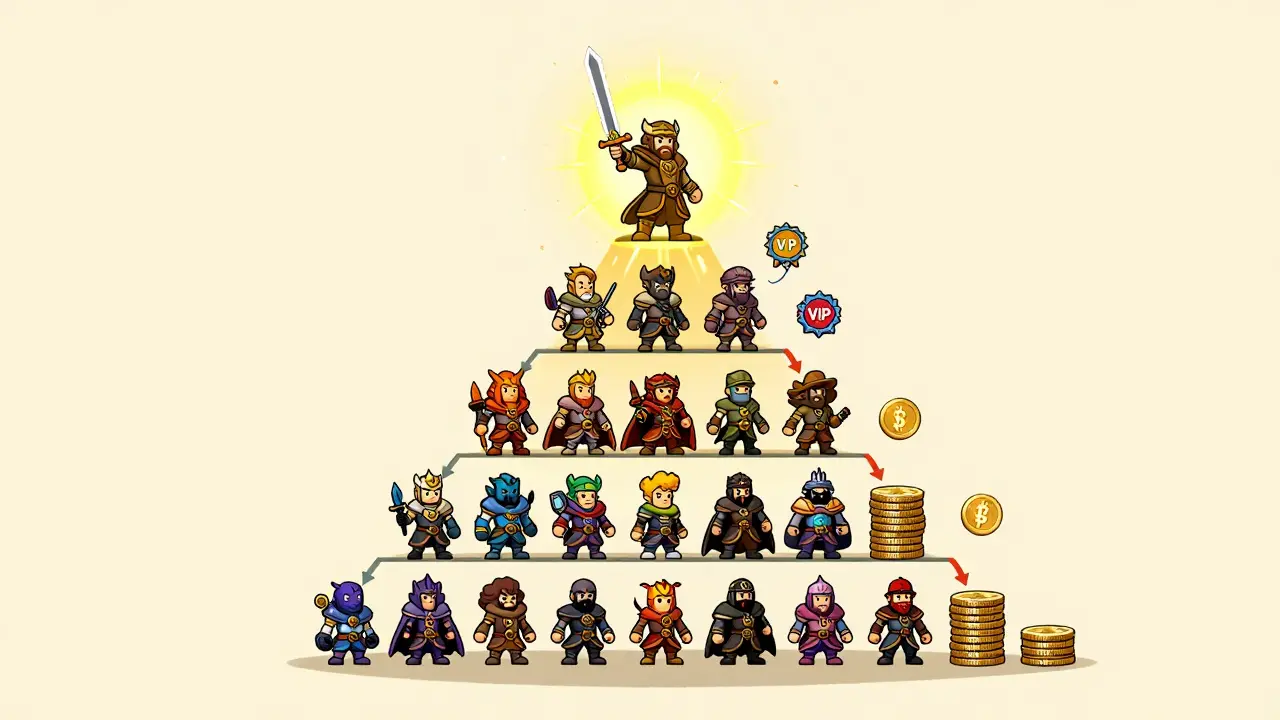
If you were participating in the larger tiered campaign, the rewards were not evenly split. MagicCraft used a pyramid structure to incentivize top performers or lucky draws, depending on the specific mechanic of that phase. Here is how the 500-winner pool was broken down:
| Rank Position | NFT Reward | $MCRT Token Reward |
|---|---|---|
| 1 - 50 | 1 MagicCraft Genesis NFT | 5,000 MCRT |
| 51 - 100 | - | 5,000 MCRT |
| 101 - 200 | - | 2,500 MCRT |
| 201 - 300 | - | 1,000 MCRT |
| 301 - 500 | - | 300 MCRT |
This structure meant that being in the top 50 gave you both the tangible asset (the NFT) and a significant amount of liquid currency ($MCRT). Positions 51-100 received the same token amount but no NFT, highlighting the premium placed on the character assets. For those further down the list, the rewards acted as small incentives to keep them engaged with the platform.
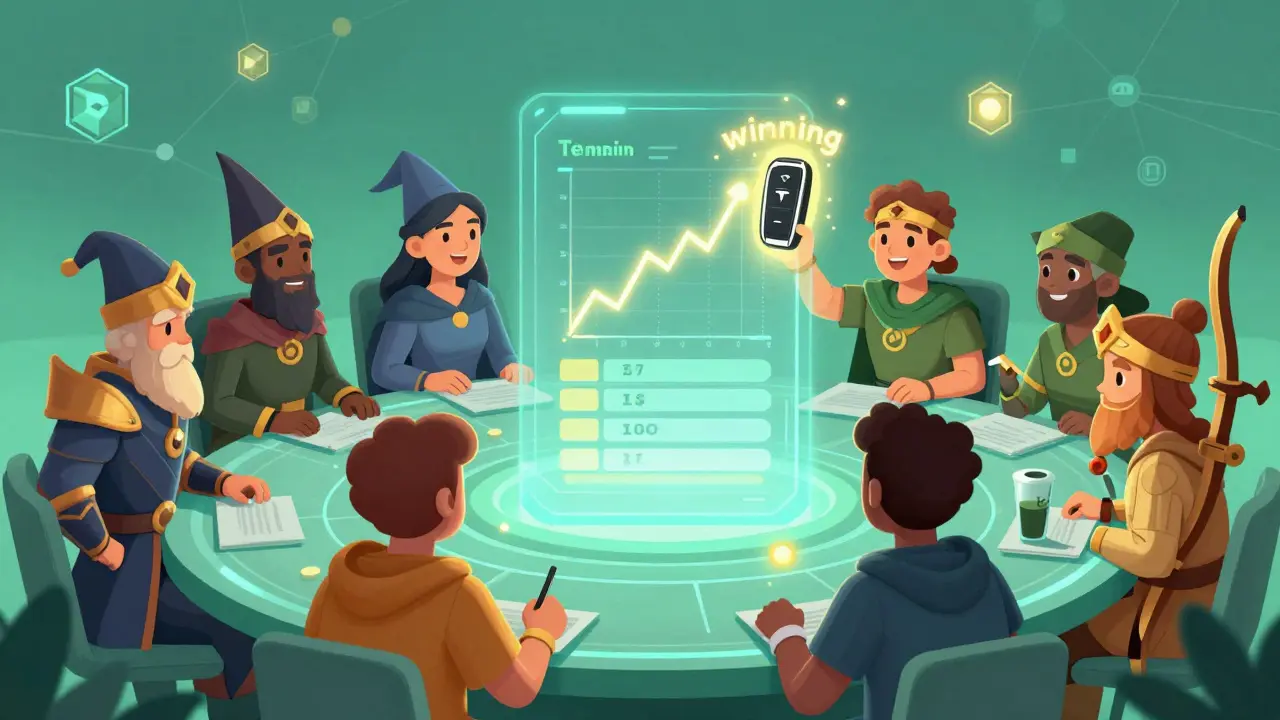
In the CoinMarketCap-specific campaign, the mechanism was simpler but included a massive wildcard. There were 222 winners, each getting one Genesis NFT. However, one of those NFTs contained a hardcoded random seed that awarded the winner a Tesla vehicle. The winner would know immediately upon minting because the NFT displayed a specific image indicating the prize. This "lottery" element drove massive engagement and social media buzz, typical of viral marketing strategies in crypto gaming.
Understanding the Value of MagicCraft Genesis NFTs
Why did people care so much about these NFTs? Because they were not decorative. The collection consisted of 9,999 unique characters divided into three classes: Warriors, Wizards, and Archers. Each character came with distinct traits, including weapons, armor, spells, magic scrolls, and poses.
The value lay in their rarity and utility. The distribution was heavily skewed toward common assets, creating a hierarchy of power and prestige:
- Rare (90%): The bulk of the collection, offering standard gameplay benefits.
- Epic (9%): Higher-tier characters with enhanced stats and visual flair.
- Legendary (1%): The elite tier, providing significant advantages in PVP combat and higher earning potential in raids.
When you held a Genesis NFT, you unlocked comprehensive benefits. You gained access to unique skills and abilities that non-NFT holders couldn't use. More importantly, you entered the Web3 Lobby System. This included VIP Lobbies and secondary currency lobbies, which offered enhanced earning opportunities. In a P2E game, time spent grinding in a VIP lobby yields significantly more $MCRT than standard servers, making the NFT a productivity tool rather than just a collectible.
The Role of $MCRT and the DAO Governance
You cannot talk about MagicCraft without talking about the Binance Smart Chain (BSC) is a blockchain network known for low transaction fees and fast processing speeds, ideal for high-frequency gaming interactions. MagicCraft was built on BSC to ensure that the constant micro-transactions required for PVP combat and item trading didn't eat up users' wallets in gas fees. This choice made the game accessible to a wider audience compared to Ethereum-based alternatives.
The $MCRT token was the lifeblood of this ecosystem. It wasn't just a reward; it was a governance tool. MagicCraft incorporated a DAO (Decentralized Autonomous Organization) model. Stakers of the $MCRT token earned rewards and obtained voting rights on key project decisions. This aligned the interests of developers and players. If the game succeeded, the token value rose, benefiting everyone. If the game failed, everyone lost out. This skin-in-the-game approach is crucial for sustainable P2E economies.
Furthermore, the marketplace operated exclusively on $MCRT. Players could mint their own Revelation and Genesis NFTs through the official portal at app.magiccraft.io/nft_mint. They could then list these assets for sale using auction-based or fixed-price mechanisms. Buyers submitted bids or purchased instantly, all settled in $MCRT. This created a circular economy where the token had constant demand driven by gameplay needs.
Current Status: Are These Airdrops Still Active?
Here is the reality check most guides skip: the documented MagicCraft Genesis NFT Campaigns are closed. Platforms like AirdropAlert.com report that the campaign concluded and is no longer accepting participants. The CoinMarketCap campaign also ended, with winners announced within 14 days of its conclusion via official social channels.
This closure status is critical. It means these were time-limited promotional events designed to launch the project, not ongoing distributions. Prospective participants looking for similar opportunities need to monitor official MagicCraft channels for future initiatives. Crypto gaming projects often run seasonal airdrops or partner with other platforms for new drops, but relying on past data without checking current status leads to wasted effort.
If you missed these specific drops, your options shift from "claiming free assets" to "acquiring assets." You can still buy Genesis NFTs on the marketplace if they are listed, though prices will reflect their utility and rarity rather than their free distribution status. Alternatively, you can engage with the game as a free-to-play user, though your earning potential will be capped compared to NFT holders.
Lessons for Future P2E Airdrop Hunters
The MagicCraft case study offers several takeaways for anyone navigating the P2E landscape in 2026 and beyond:
- Utility Over Hype: The Genesis NFTs had clear in-game utility (VIP lobbies, skills). Always ask what an NFT does before you chase it. Decorative NFTs rarely retain value in gaming ecosystems.
- Check the Chain: Being on Binance Smart Chain lowered barriers to entry. High gas fees on other chains can kill airdrop profitability if the reward value is low.
- Understand the Tiering: Most airdrops are not equal-opportunity giveaways. They are structured to reward early or highly active users. Read the fine print on rank positions.
- Verify Official Channels: With scams rampant, always cross-reference airdrop announcements with the project's verified Twitter, Discord, and website. Never connect your wallet to unverified links promising "Genesis" drops.
The era of easy, high-value airdrops is evolving. Projects are becoming more sophisticated, requiring actual gameplay participation or community contribution rather than just social media follows. MagicCraft’s integration of DAO governance and staking rewards shows where the industry is heading: long-term alignment between players and developers.
Can I still join the MagicCraft Genesis NFT Airdrop?
No, the specific Genesis NFT Campaigns referenced in historical documentation are closed. AirdropAlert.com and other trackers confirm that these time-limited events have concluded. You should monitor official MagicCraft social channels for any future promotional events, but do not rely on past campaigns being active.
What is the difference between Rare, Epic, and Legendary MagicCraft NFTs?
The difference lies in rarity and in-game power. Rare NFTs make up 90% of the collection and offer standard benefits. Epic NFTs (9%) provide enhanced stats. Legendary NFTs (1%) are the most powerful, granting significant advantages in PVP combat, access to exclusive realms, and higher earning potential in premium raids.
How did the Tesla prize work in the CoinMarketCap campaign?
One of the 222 Genesis NFTs distributed in the CoinMarketCap campaign contained a hardcoded random seed. Upon minting, the NFT would display a specific image if it was the winning token. The owner of that specific NFT was eligible to claim the Tesla vehicle. This was a one-time lottery-style incentive to drive engagement.
Why is MagicCraft built on Binance Smart Chain instead of Ethereum?
MagicCraft chose Binance Smart Chain (BSC) for its low transaction fees and fast processing speeds. PVP games require frequent micro-transactions for items, deaths, and rewards. High gas fees on Ethereum would make the game economically unviable for many players, whereas BSC allows for a smoother, cheaper user experience.
What benefits do MagicCraft Genesis NFT holders receive?
Holders gain access to the Web3 Lobby System, including VIP Lobbies which offer enhanced earning rates. They also unlock unique skills, spells, and abilities not available to non-NFT players. Additionally, they can participate in special events and premium raids, increasing their potential to earn $MCRT tokens.
Is MagicCraft a free-to-play or pay-to-win game?
MagicCraft supports both free-to-play and play-to-earn models. However, owning Genesis NFTs provides significant advantages, such as access to VIP lobbies and better gear. While you can play for free, the economic and competitive benefits are heavily skewed toward those who invest in or acquire high-rarity NFTs, creating a hybrid model.